
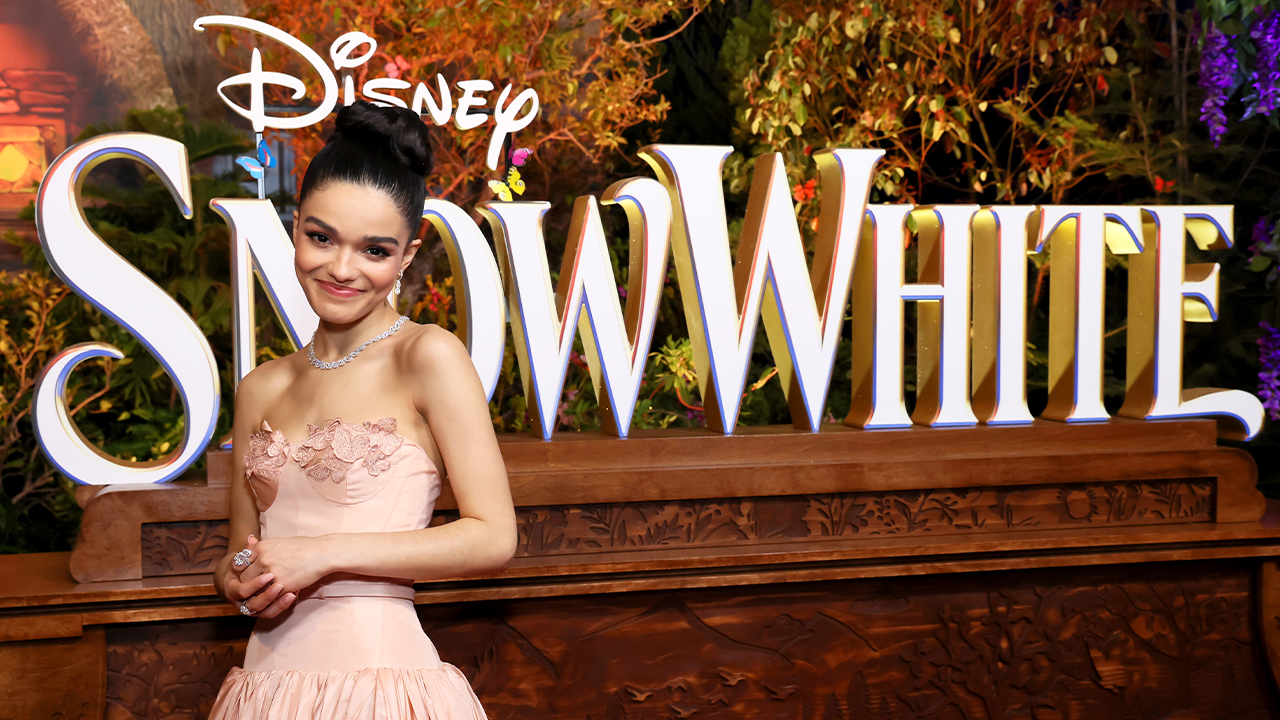
Unveiling the Shadows: Controversies Surrounding Disney’s ‘Snow White’ Remake
As Disney’s highly anticipated ‘Snow White’ remake approaches its release, it finds itself mired in a series of controversies that have sparked heated debates. From casting choices to cultural representations, these issues have captivated audiences and critics alike, raising questions about the future of beloved fairy tales in modern cinema. The film, which aims to breathe new life into the classic story, is not just a nostalgic trip down memory lane; it is also a reflection of how contemporary society grapples with issues of representation, gender roles, and cultural sensitivity.
Casting Choices: A Double-Edged Sword
One of the most talked-about aspects of the ‘Snow White’ remake has been its casting. The lead role of Snow White has been given to Rachel Zegler, a rising star known for her performance in ‘West Side Story’. While Zegler’s talent is widely acknowledged, her casting has ignited discussions about traditional beauty standards and the portrayal of iconic characters.
Critics have pointed out that the original animated Snow White was portrayed as an idealized version of beauty that reflected the cultural norms of the 1930s. In contrast, Zegler, who is of Colombian descent, represents a shift towards more diverse casting in Hollywood. However, this shift has not been universally embraced. Some fans of the original film feel that casting a non-white actress for the iconic role strays too far from the original character’s depiction.
- Support for Diversity: Proponents argue that Zegler’s casting opens the door for more inclusive representation in fairy tales, allowing a broader audience to see themselves in these beloved characters.
- Traditionalists’ Concerns: Conversely, traditionalists argue that altering the character’s ethnicity for the sake of diversity can undermine the original story and its historical context.
Cultural Representation: A Modern Dilemma
The ‘Snow White’ remake is not just a reimagining of a fairy tale. It reflects a growing awareness of cultural representation and sensitivity in today’s media landscape. Disney has made strides in recent years to embrace diversity, as seen in films like ‘Mulan’ and ‘Moana’. However, the challenge lies in balancing authenticity with the expectations of a modern audience.
While the original ‘Snow White’ was released in a time when cultural sensitivity was not a consideration, today’s audiences are more aware of the implications of cultural representation. Many are questioning whether Disney’s approach to storytelling adequately honors the cultures it seeks to depict.
Authenticity vs. Adaptation
In adapting classic tales, filmmakers often grapple with the line between authentic representation and creative adaptation. Disney’s decision to cast actors from diverse backgrounds has been met with both praise and criticism:
- Praise: Many believe that a diverse cast brings fresh perspectives and enriches the storytelling experience.
- Criticism: Others argue that if the cultural context is not accurately portrayed, the adaptation risks misrepresenting the very cultures it aims to celebrate.
Gender Roles: Challenging Stereotypes
The original ‘Snow White’ is often critiqued for its portrayal of gender roles, highlighting the passive nature of the titular character. In the upcoming remake, there are indications that Disney intends to empower Snow White, presenting her as a more active and independent character. This shift reflects a larger trend in Hollywood where female characters are being redefined.
This evolution raises important questions:
- Can a character rooted in a 1930s narrative be successfully adapted to fit modern feminist ideals?
- How do audiences perceive changes in iconic characters, and what do these changes say about our evolving societal values?
Public Reception: A Mixed Bag
As news surrounding the remake circulates, public reception has been decidedly mixed. Social media platforms have become battlegrounds for opinions, where fans express both excitement and trepidation. The discourse highlights a broader cultural shift, where audiences feel empowered to voice their opinions on casting, representation, and storytelling.
Moreover, Disney finds itself in a unique position; it must navigate the expectations of long-time fans while also appealing to a new generation that demands more inclusivity and authenticity. The challenge is significant, as any misstep can lead to swift backlash or even boycotts.
Looking Ahead: The Future of Fairy Tales in Cinema
The controversies surrounding Disney’s ‘Snow White’ remake serve as a microcosm of the broader conversations happening in Hollywood and beyond. As filmmakers strive to tell stories that resonate with contemporary audiences, the stakes are higher than ever. The evolution of fairy tales in cinema is not just about retelling old stories; it is about redefining them for a new era.
As we await the release of ‘Snow White’, it is clear that the film will not just be a remake; it will be a reflection of our times, illuminating the complexities of identity, representation, and storytelling. Regardless of the controversies, the film offers an opportunity for dialogue—one that encourages audiences to engage with the narratives that shape our understanding of culture and gender.
Conclusion: Embracing Change
While Disney’s ‘Snow White’ remake is surrounded by controversy, it is essential to recognize that these discussions are part of a necessary evolution in storytelling. By embracing contemporary values and diverse perspectives, filmmakers can create narratives that resonate with a broader audience. As we step into this new chapter of the fairy tale, we must keep an open mind, understanding that change can lead to richer, more inclusive narratives that honor the past while looking toward the future.
In the end, the success of the ‘Snow White’ remake will likely hinge on its ability to balance nostalgia with innovation, allowing it to be both a tribute to the beloved classic and a fresh take that reflects the diverse world we live in today.
See more CNET Live