
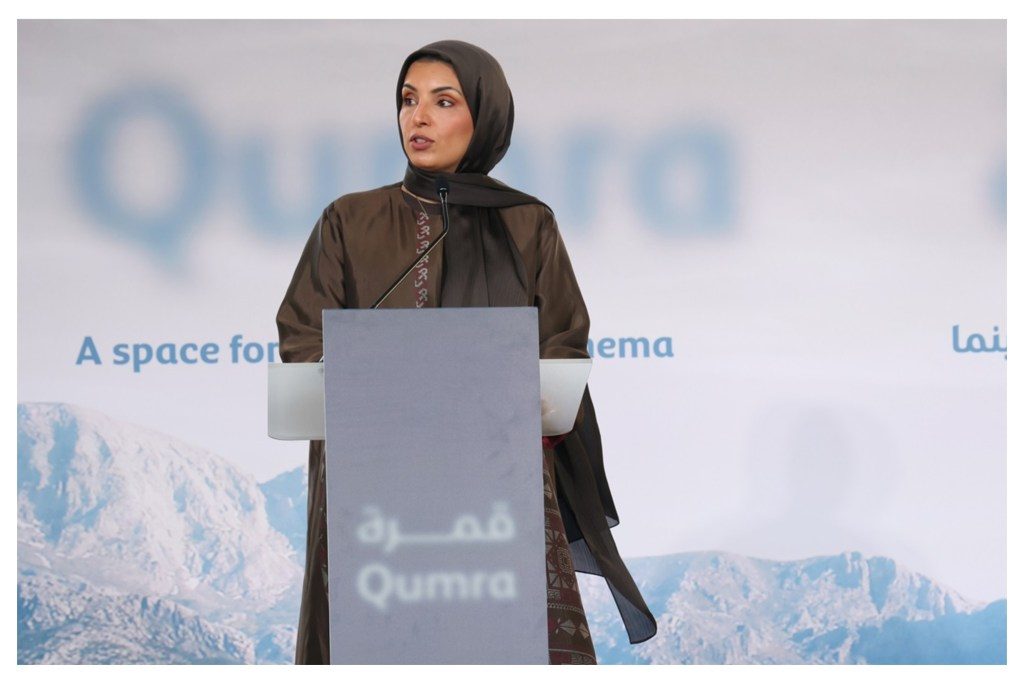
Amidst Violence, Doha Film Institute CEO Champions Artistic Freedom for ‘No Other Land’ Director
In a bold stance against violent oppression, Fatma Hassan Alremaihi, CEO of the Doha Film Institute (DFI), has publicly supported the director of the documentary No Other Land, underscoring the fragility of artistic expression in conflict zones. The statement, released on June 15, 2024, comes amid escalating violence in the filmmaker’s region, reigniting global debates about art’s role in political resistance and the risks creators face.
The Precarious Intersection of Art and Conflict
Alremaihi’s declaration highlights a growing crisis for filmmakers working in politically volatile regions. According to the 2023 Artists at Risk Report, over 240 filmmakers and visual artists faced imprisonment, threats, or violence last year—a 17% increase from 2022. The DFI’s support for No Other Land represents a critical intervention for a project exposing human rights violations.
“When authoritarian regimes silence storytellers, they erase collective memory,” Alremaihi stated. “Our institute stands unwaveringly with creators who document truth, even when it comes at personal cost.” The documentary, which chronicles displacement and resistance in occupied territories, has faced repeated censorship attempts and threats against its crew.
Global Film Community Divided on Political Engagement
Responses to the DFI’s position reveal deep fractures in the international film industry:
- Festival Support: Cannes and Sundance programmers have praised the documentary’s “unflinching honesty”
- Diplomatic Pushback: Three countries threatened to boycott Qatari cultural initiatives following the statement
- Industry Debate: Prominent producers argue whether film institutions should take overt political stances
Noted film scholar Dr. Elena Petrov comments: “History shows that art preceding political change often faces suppression. The DFI’s position isn’t just about one film—it’s about preserving the ecosystem of dissent through cinema.”
Quantifying the Risks: When Filmmaking Becomes Dangerous
Data from the International Coalition for Filmmakers at Risk (ICFR) reveals alarming trends:
| Risk Factor | 2021 Cases | 2023 Cases |
|---|---|---|
| Arrests/Detentions | 89 | 142 |
| Equipment Confiscation | 203 | 311 |
| Physical Violence | 47 | 86 |
The director of No Other Land, whose identity remains protected, described filming conditions via encrypted message: “We changed locations 19 times. Every scene required calculating exit routes. This isn’t filmmaking—it’s survival.”
The Broader Fight for Creative Expression
Beyond immediate safety concerns, the incident raises structural questions about supporting threatened artists:
Institutional Protections Falling Short
While 68% of international film festivals now have “risk assessment” protocols (per the Berlinale Institute), only 12% offer ongoing security support after screenings. The DFI has pledged $500,000 toward a new emergency fund for filmmakers in danger—the first such initiative by a Gulf organization.
Technological Arms Race for Safe Storytelling
Secure documentary production now requires:
- Blockchain-based storage to prevent evidence tampering
- AI-powered facial blurring that adapts to new surveillance tech
- Satellite uploads when internet access gets cut
As journalist Rana Ayyub observes: “The tools for truth-telling evolve as fast as the tools for suppression. This isn’t just about making films—it’s about winning an information war.”
What Comes Next for Artistic Resistance?
The DFI’s stance may catalyze broader action:
- The European Film Academy will vote next month on expanding its protection program
- Streaming platforms face pressure to relax content restrictions on political documentaries
- Insurance underwriters are developing new policies for high-risk productions
For audiences, the crisis presents both moral and practical questions. As No Other Land seeks distribution, viewers must decide whether consuming such art constitutes solidarity or risks further endangering its makers. Film critic Justin Chang suggests: “Perhaps ethical viewership now requires activism—sharing safely, donating to protection funds, demanding institutional accountability.”
The international film community stands at a crossroads. Will this moment galvanize systemic protections for vulnerable creators, or will fear further shrink the spaces for courageous storytelling? As Alremaihi concluded: “History gets written by those who dare to record it. Our choice is whether to stand with them or look away.” Those wishing to support at-risk filmmakers can contribute to the DFI’s emergency fund or contact their local film societies about advocacy initiatives.
See more CNET Live