
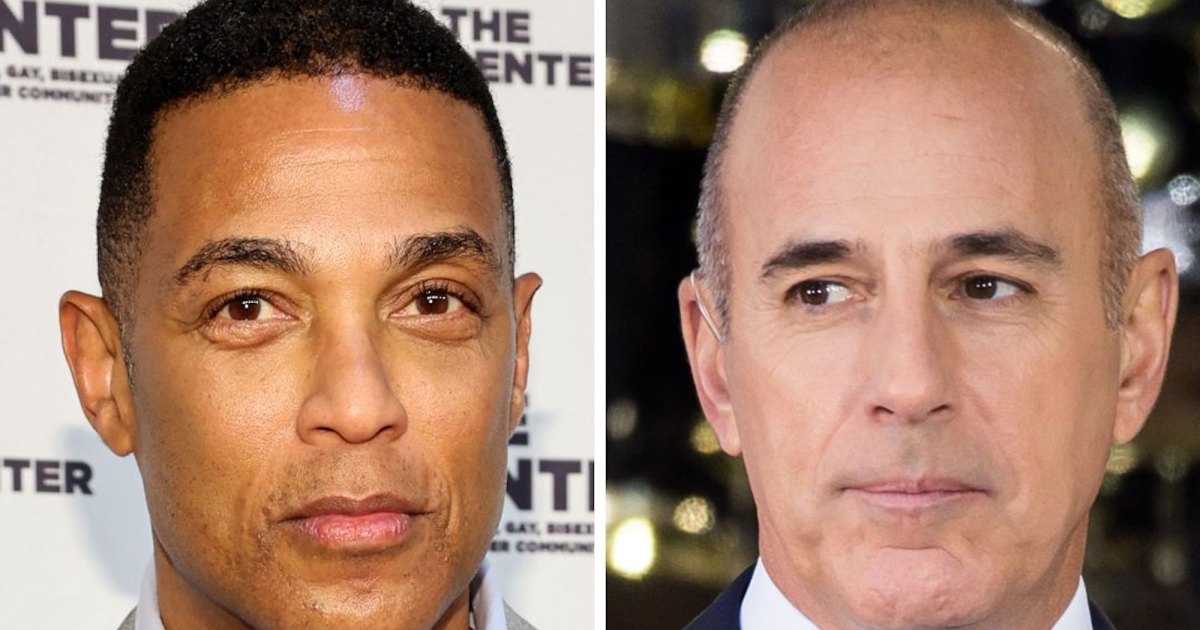
Don Lemon Breaks Silence: A Defense of Matt Lauer Seven Years Post-Firing
In a surprising turn of events, CNN’s Don Lemon recently broke his silence to publicly defend former NBC anchor Matt Lauer, who was dismissed from the network amid allegations of sexual misconduct in 2017. This unexpected statement has sparked renewed conversations regarding accountability, friendship, and the complexities of public perception in the media industry. As the fallout from Lauer’s controversial firing continues to reverberate, Lemon’s remarks provide a unique perspective on their relationship and the broader implications for those involved in the media landscape.
Understanding the Context of Matt Lauer’s Dismissal
Matt Lauer was once considered one of the most prominent faces in American television journalism, serving as a co-anchor on NBC’s “Today” show for over two decades. However, in November 2017, he was abruptly fired following allegations of inappropriate sexual behavior. The news shocked viewers and colleagues alike, leading to widespread discussions about workplace conduct, accountability, and the #MeToo movement.
In the wake of Lauer’s dismissal, many in the media distanced themselves from him, citing the seriousness of the allegations. The fallout affected not only Lauer’s career but also the overall landscape of broadcast journalism, as networks and individuals began to reassess their policies and practices regarding harassment and misconduct.
Don Lemon’s Perspective on Lauer’s Case
Fast forward to now, and Don Lemon’s defense of Lauer has thrown a spotlight back on the issue. During a recent interview, Lemon expressed his belief that Lauer was treated unfairly and that the media’s rush to judgment can have dire consequences for individuals’ reputations and lives. Lemon stated, “I have known Matt for many years, and my experience with him has been entirely positive. I think there’s a lot more that needs to be said about the context of these allegations.”
This statement raises several points worthy of discussion:
- The Importance of Personal Experience: Lemon’s defense emphasizes the significance of personal relationships. He acknowledges that while the allegations against Lauer are serious, they do not align with his personal experiences with the former anchor.
- Media’s Role in Shaping Public Perception: Lemon’s comments highlight how media narratives can shape public opinion and influence the course of justice. The swift condemnation of Lauer may overlook the complexities of human behavior and relationships.
- The Consequences of Public Allegations: The implications of being accused of misconduct can be life-altering. Lemon’s remarks invite audiences to consider the potential for misjudgment and the broader impact on a person’s life and career.
Accountability and Friendship in the Media
One of the most compelling aspects of Lemon’s defense is the tension between accountability and friendship. In the media industry, individuals often find themselves navigating complicated relationships amidst public scrutiny. While it is essential to hold individuals accountable for their actions, it is also crucial to recognize the value of personal connections and the experiences that come with them.
Lemon’s defense could be interpreted as a call for a more nuanced approach to allegations of misconduct. Rather than a binary view of guilty or innocent, Lemon suggests that friendships and personal experiences can provide essential context that might be overlooked by the media and the public.
Public Perception and the #MeToo Movement
The #MeToo movement has undeniably shifted the conversation around sexual harassment and misconduct, empowering individuals to speak out against their abusers. However, this movement has also led to a cultural reckoning that raises questions about due process and the presumption of innocence.
Lemon’s comments may resonate with those who feel that the #MeToo movement, while necessary, has sometimes resulted in a rush to judgment. Critics argue that such rapid conclusions can lead to irreversible damage to reputations and careers, even when the truth is more complex. This perspective aligns with Lemon’s belief that public figures should be afforded some level of understanding and context regarding their actions.
What Does This Mean for the Future?
As discussions about accountability and friendship continue, Lemon’s remarks could signal a shift in how media professionals approach these sensitive topics. Here are a few potential implications for the future:
- More Balanced Narratives: Lemon’s perspective could encourage media outlets to adopt a more balanced approach when covering allegations of misconduct, allowing for a fuller picture that includes personal relationships and experiences.
- Reevaluation of Industry Practices: The media industry may need to reassess its practices regarding how allegations are reported and how individuals are treated in the aftermath of accusations.
- Fostering Open Dialogue: Lemon’s defense opens the door for conversations about the complexities of human behavior, relationships, and the need for open dialogue around difficult topics.
Conclusion: A Call for Understanding
Don Lemon’s defense of Matt Lauer seven years after his firing touches on critical issues that affect not only the individuals involved but also the broader media landscape. In an era where accountability is paramount, it is essential to remember the importance of personal relationships and the nuances of human behavior. While the allegations against Lauer were serious and warranted attention, Lemon’s remarks serve as a reminder that understanding and context can sometimes get lost in the rush to judgment.
As society continues to grapple with these issues, it is vital to strike a balance between holding individuals accountable for their actions while also allowing for the possibility of redemption and understanding. Lemon’s comments may just be the beginning of a much-needed dialogue about friendship, accountability, and the complexities of public life in the media industry.
See more CNET Live