
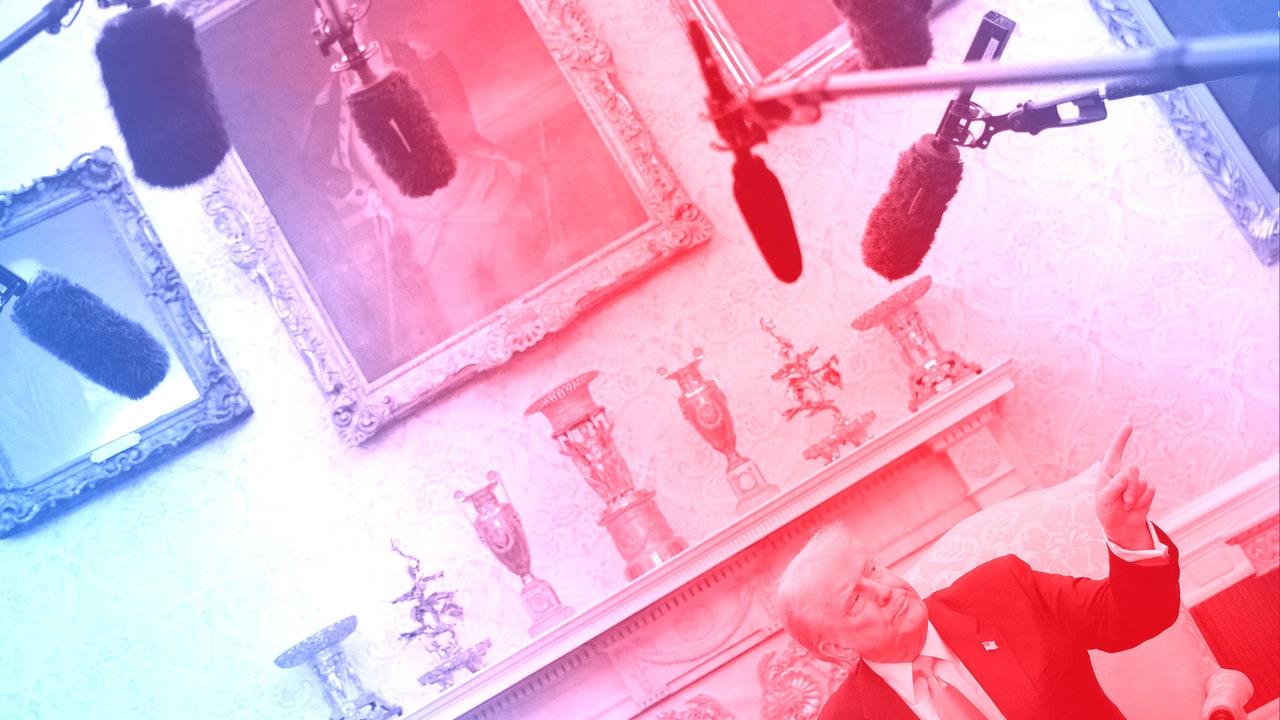
Behind the Curtain: Donald Trump’s Role as Producer-in-Chief
Donald Trump’s journey through the landscape of entertainment is a fascinating tapestry woven with ambition, celebrity, and a keen business sense. As a prominent figure in both the political and entertainment arenas, Trump’s role as a producer-in-chief has left an indelible mark that continues to influence both industries. This article dives deep into the various facets of Trump’s involvement in the entertainment sector, exploring how his business acumen and celebrity status have shaped his production approach, blending the worlds of politics and Hollywood.
Trump’s Background in Entertainment
Before stepping onto the political stage, Donald Trump was already a household name thanks to his ventures in real estate and reality television. His initial foray into entertainment came with the creation of the hit reality show The Apprentice, which premiered in 2004. The show not only showcased Trump’s brash personality but also cemented his status as a pop culture icon. As the executive producer, he had a hand in shaping the show’s format, which revolved around business challenges and the ever-dramatic boardroom eliminations.
This reality show was more than just television; it was a brand extension that played a crucial role in crafting the image of Donald Trump as a successful businessman who could make tough decisions. His catchphrase, “You’re fired,” became synonymous with Trump and served to enhance his celebrity status, ultimately paving the way for his later political endeavors.
Influence of Celebrity Culture
Trump’s celebrity status significantly influenced his production choices and strategies. In an era where fame often translates to power, Trump utilized his persona to build a brand that resonated with millions. His approach to production was unique in that it blended traditional entertainment values with a more entrepreneurial spirit. Here are some key aspects of how celebrity culture shaped his influence:
- Branding and Marketing: Trump understood the power of branding. Each production was an opportunity to reinforce his image as a successful mogul. His involvement in projects was often more about promoting the Trump brand than about the content itself.
- Media Manipulation: Trump’s savvy use of media helped him control the narrative around his productions. By engaging with the press and using social media, he could generate buzz and maintain relevance, often turning controversies into opportunities.
- Leveraging Relationships: Trump’s connections within Hollywood allowed him to collaborate with other notable figures, expanding his reach and influence. His ability to draw in A-list talent and collaborate on high-profile projects showcased his understanding of the entertainment landscape.
The Business of Production
At the core of Trump’s approach to production is his business acumen. His ventures in real estate provided a strong foundation for understanding investments, risk management, and audience appeal. This knowledge translated effectively into the entertainment industry, where production budgets, marketing strategies, and audience demographics play critical roles. Here are some ways Trump’s business mindset shaped his productions:
- Strategic Partnerships: Trump often sought partnerships that would maximize visibility and profitability. His collaborations with established production companies and networks provided a platform for his projects, ensuring they reached a broad audience.
- Risk Assessment: Trump’s experience in real estate taught him about the importance of assessing risks. In entertainment, he applied this by carefully selecting projects that had the potential for high returns, both financially and in terms of audience engagement.
- Innovative Concepts: Trump’s ideas often pushed boundaries, leading to unique concepts that attracted attention. His willingness to take risks with unconventional formats helped set some of his productions apart from the competition.
Political Overtones in Production
As Trump transitioned from the entertainment world to politics, his production work began to reflect his political aspirations. The lines between his roles as a producer and as a political figure started to blur, creating a unique intersection where entertainment and governance met. This phenomenon can be analyzed through several lenses:
- Messaging and Narrative: Trump’s productions often carried themes that resonated with his political base. By framing certain narratives, he could subtly promote his political ideologies while remaining in the entertainment realm.
- Public Perception: As a producer, Trump controlled how he was portrayed in the media. This skill became invaluable during his presidential campaign, as he utilized his production experience to craft a compelling public image.
- Engagement with Audiences: Trump’s understanding of audience engagement from his reality TV days played a significant role in how he approached political rallies and public appearances. He treated these events like productions, ensuring they were entertaining and engaging.
The Aftermath: Legacy and Impact
Trump’s tenure as a producer-in-chief has left a complex legacy. On one hand, he demonstrated how entertainment and politics could intertwine to create a compelling narrative that resonates with the public. On the other hand, his methods and style have sparked debate and division among audiences and political commentators alike.
As we look at the aftermath of Trump’s influence, several key impacts can be identified:
- Changing the Landscape of Political Campaigns: Trump’s unique blend of entertainment and politics has set a new standard for how campaigns are run. Future candidates may be inspired to adopt similar strategies, focusing on branding and media presence.
- Entertainment Industry’s Response: The entertainment industry has been forced to reckon with the implications of political figures crossing into their realm. This has prompted discussions about the responsibility of producers and creators in shaping narratives that can influence public opinion.
- Public Engagement with Politics: Trump’s approach has encouraged a more casual and approachable style of political engagement, making politics feel more accessible to the average citizen, though it has also led to concerns about the trivialization of serious issues.
Conclusion
Donald Trump’s role as a producer-in-chief highlights the intricate relationship between the entertainment industry and political discourse. Through his ventures, he has successfully blended business acumen with celebrity culture to create a unique approach to production that resonates with audiences. Whether viewed positively or negatively, Trump’s influence is undeniable, leaving behind a legacy that will continue to impact both Hollywood and the political landscape for years to come.
As we move forward, it will be intriguing to see how future producers and political figures navigate this evolving landscape, learning from Trump’s successes and missteps. In an era where the lines between entertainment and politics are increasingly blurred, understanding this dynamic becomes crucial for anyone looking to make their mark in either field.
See more CNET Live