
Nostalgia and Change: Drew Carey’s Reflections on His Sitcom Legacy
As the beloved sitcom “The Drew Carey Show” celebrates its 30th anniversary, fans and cast members alike are reflecting on the unique blend of nostalgia and change that characterized the series. Drew Carey, the show’s titular star, recently opened up about his experiences, the cherished moments he holds dear, and the challenges he faced throughout the show’s production. Through his reflections, we gain insight into what made the sitcom resonate with audiences and the valuable lessons learned along the way.
Celebrating the Legacy of “The Drew Carey Show”
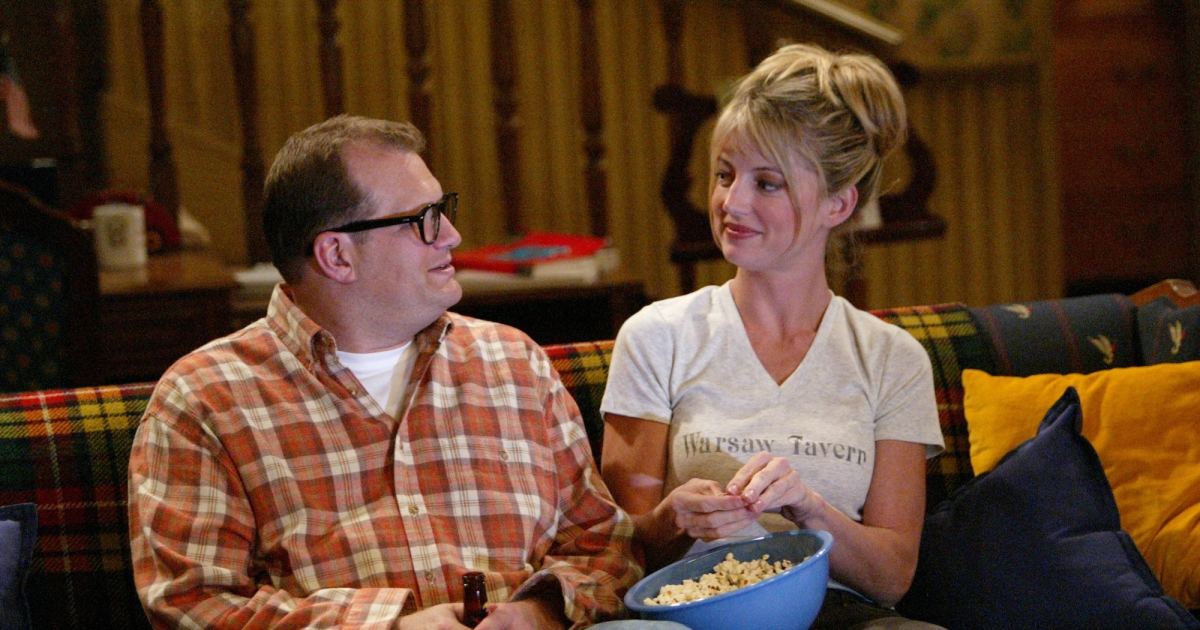
Premiering in 1995, “The Drew Carey Show” quickly became a staple of American television. With its unique humor, relatable characters, and a setting that mirrored the lives of everyday people, the show carved out a special place in the hearts of viewers. Drew Carey, playing a fictionalized version of himself, navigated the ups and downs of life in Cleveland, Ohio, alongside a cast of quirky friends and co-workers.
One of the defining features of the show was its ability to blend humor with genuine emotion. Drew’s life was filled with comedic misadventures, yet the series also tackled serious themes such as friendship, love, and the struggles of adulthood. This balance of nostalgia and realism is something Carey reflects on fondly. “We created a space where people could laugh at their own lives,” he remarked in a recent interview. “That’s something I really miss.”
Nostalgia: What Drew Misses Most
As Carey reminisces about his time on the show, he highlights several aspects that he deeply misses. Firstly, he remembers the camaraderie shared with his co-stars. The bond they formed both on and off-screen contributed to the show’s authentic feel. “We were like a family,” Carey said, emphasizing the long-lasting friendships that emerged from their shared experiences.
In addition to the friendships, Carey expresses a longing for the simplicity of the show’s production. “Back then, we had a different pace,” he explained. “There was a sense of joy in making the audience laugh without the pressures of social media and instant feedback.” This slower, more deliberate pace allowed for creativity to flourish, and Carey believes it led to some of the series’ most memorable moments.
Challenges During Production
While the show was a success, it wasn’t without its challenges. Carey candidly discusses the pressures that came with being the lead of a major sitcom. “There were days when I felt the weight of the world on my shoulders,” he admitted. Balancing the demands of filming with personal life was not always easy, and the expectations from network executives often added to the stress.
Moreover, as society evolved, so did the content of the show. The late 1990s and early 2000s saw shifts in comedy styles and the topics that audiences were interested in. Carey acknowledges that adapting to these changes was not always straightforward. “We had to find new ways to be relevant,” he said. The challenge was to keep the humor fresh while staying true to the original spirit of the show.
Lessons Learned: Growth Through Change
Reflecting on his journey, Drew Carey recognizes the invaluable lessons he learned during his time on “The Drew Carey Show.” Most notably, he emphasizes the importance of resilience. “In show business, you have to learn how to roll with the punches,” he noted. The ability to adapt, whether to new writing styles or shifts in audience preferences, proved crucial to the show’s longevity.
Carey also speaks to the significance of authenticity. “Staying true to yourself and your values is essential, especially in a creative field,” he advised. The sitcom’s success was rooted in its authentic portrayal of the characters’ lives, allowing audiences to see themselves reflected on screen. This connection fostered loyalty and love from fans, which remains evident even decades later.
The Impact of Nostalgia on Today’s Television
As nostalgia continues to play a significant role in entertainment, Carey’s reflections raise questions about the future of sitcoms and television as a whole. The resurgence of reboots and revivals indicates a desire for the comfort and familiarity that comes with beloved shows. “People are drawn to what they know,” Carey explained. “It’s a way to reconnect with a simpler time.”
This trend of looking back could inspire new generations of writers and creators to infuse their work with the same authenticity and warmth that defined “The Drew Carey Show.” By embracing the lessons learned from past successes, contemporary creators can craft stories that resonate with audiences in meaningful ways.
Conclusion: A Legacy of Laughter and Learning
As Drew Carey reflects on his sitcom legacy, it becomes clear that “The Drew Carey Show” is more than just a nostalgic trip down memory lane; it’s a testament to the power of humor, friendship, and resilience. The lessons learned from the challenges faced during production continue to resonate today, serving as a reminder of the importance of authenticity in storytelling.
With its 30th anniversary marking a significant milestone, fans are encouraged to celebrate not only the laughter but also the lessons that have emerged from this iconic series. As Carey aptly put it, “Nostalgia is a bridge to the past, but it’s also a guide for the future.” Whether through rewatching old episodes or creating new content inspired by classic sitcoms, the legacy of “The Drew Carey Show” will undoubtedly live on, continuing to inspire and entertain for years to come.
See more CNET Live