
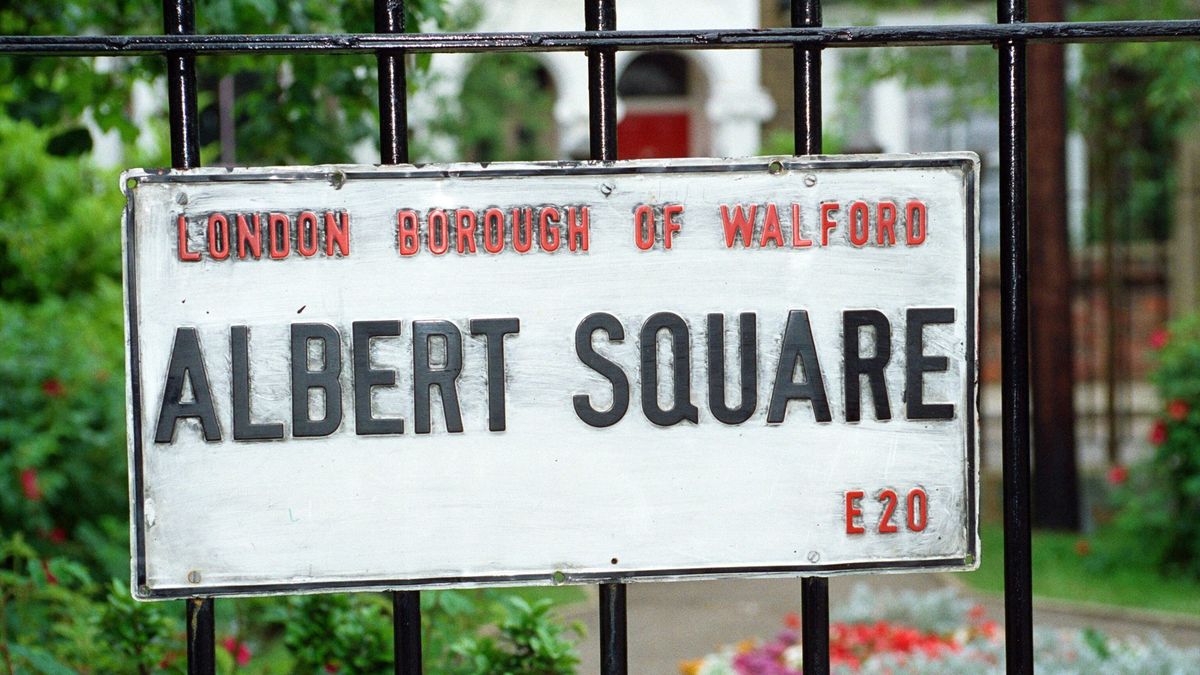
Celebrating 40 Years of EastEnders: Do Soaps Still Capture Our Hearts?
As we celebrate the remarkable 40-year journey of EastEnders, it’s essential to reflect on the broader question: do soap operas still capture our hearts in today’s fast-paced entertainment landscape? Since its debut on February 19, 1985, EastEnders has become a staple of British television, engaging millions with its compelling storylines, relatable characters, and dramatic twists. Yet, with the rise of streaming platforms and the changing habits of viewers, one must wonder whether the iconic genre of soap operas is losing its touch or evolving in a new, exciting direction.
The Evolution of Soap Operas
Historically, soap operas have been a unique blend of drama, romance, and social commentary, often reflecting the realities of everyday life. From their origins in the 1930s as daytime radio dramas sponsored by soap manufacturers, they transitioned to television, gaining a dedicated following. Over the decades, shows like EastEnders, Coronation Street, and Days of Our Lives have not only entertained but also tackled pressing social issues, making them relevant to their audiences.
As EastEnders marks its 40th anniversary, it stands as a testament to the genre’s resilience. The show has navigated through shifting societal norms, portraying everything from LGBTQ+ relationships to mental health struggles. This ability to adapt and remain relevant is crucial in assessing whether soap operas still resonate with viewers today.
Do Soaps Still Capture Our Hearts? An Analysis
To understand the current state of soap operas like EastEnders, we must consider several factors:
- Viewer Engagement: Soap operas have a unique format that encourages audience loyalty. Regular episodes allow viewers to become deeply invested in characters’ lives, fostering a sense of community among fans.
- Storytelling Depth: The long-running nature of soaps provides a canvas for complex storytelling. Over decades, characters can evolve, and storylines can intertwine in unexpected ways, creating a rich narrative tapestry.
- Social Issues Representation: As mentioned earlier, soaps often tackle real-world issues. This relevance can resonate powerfully with audiences, enabling them to see their own lives reflected on screen.
- Changing Media Consumption: With the advent of streaming platforms, many viewers now consume content differently. This shift may challenge traditional soap viewership, yet it also offers new opportunities, like on-demand viewing of classic episodes or the potential for cross-platform storytelling.
The Impact of Digital Media
In today’s digital age, the landscape of entertainment is vastly different from what it was when EastEnders first aired. Viewers have countless options at their fingertips, from binge-worthy series on Netflix to short-form content on TikTok. This abundance raises questions about the future of soap operas:
- Adapting to Change: Shows like EastEnders have started to embrace digital media by offering exclusive online content, engaging with fans on social media, and creating interactive experiences. This adaptability can help maintain their relevance among younger audiences.
- Competing for Attention: With so many options, soaps must compete not only with other TV dramas but also with films, documentaries, and reality shows. The challenge lies in delivering compelling content that captivates viewers and keeps them coming back for more.
Fan Community and Cultural Impact
One of the most enduring aspects of soap operas is their ability to create passionate fan communities. EastEnders has cultivated a loyal following, with fans frequently discussing episodes, speculating on plot twists, and sharing their favorite moments on social media. This engagement fosters a sense of belonging and connection that is rare in other entertainment formats.
Moreover, the cultural impact of EastEnders cannot be overstated. Iconic characters and storylines have become ingrained in British culture, sparking discussions about important social issues and providing a platform for representation. The show has also inspired numerous spin-offs and adaptations, further solidifying its place in television history.
Looking Ahead: The Future of Soaps
As EastEnders celebrates its 40th anniversary, it’s crucial to consider the future of soap operas in a rapidly evolving entertainment landscape. While some may argue that the genre is facing challenges, others see opportunities for innovation and growth. Here are a few potential directions:
- Embracing Diversity: Future storylines can delve deeper into the lives of diverse characters, reflecting the multicultural society we live in. This representation can help attract a broader audience and foster inclusivity.
- Interactive Storytelling: As technology advances, the potential for interactive storytelling may reshape how audiences engage with soap operas. Imagine being able to influence character decisions or outcomes through social media polls!
- Cross-Media Narratives: Collaborations with streaming platforms could allow soap operas to extend their storytelling beyond traditional formats, offering viewers additional content that enriches the main narrative.
Conclusion: The Heart of Soap Operas
So, do soap operas like EastEnders still capture our hearts? Absolutely! While the genre faces challenges in this digital age, its ability to evolve, connect with audiences, and reflect societal changes remains a powerful testament to its enduring appeal. As we celebrate 40 years of EastEnders, we can look forward to the next chapter in the story of soap operas, confident that their heart will continue to beat strong in the world of entertainment.
See more CNET Live