
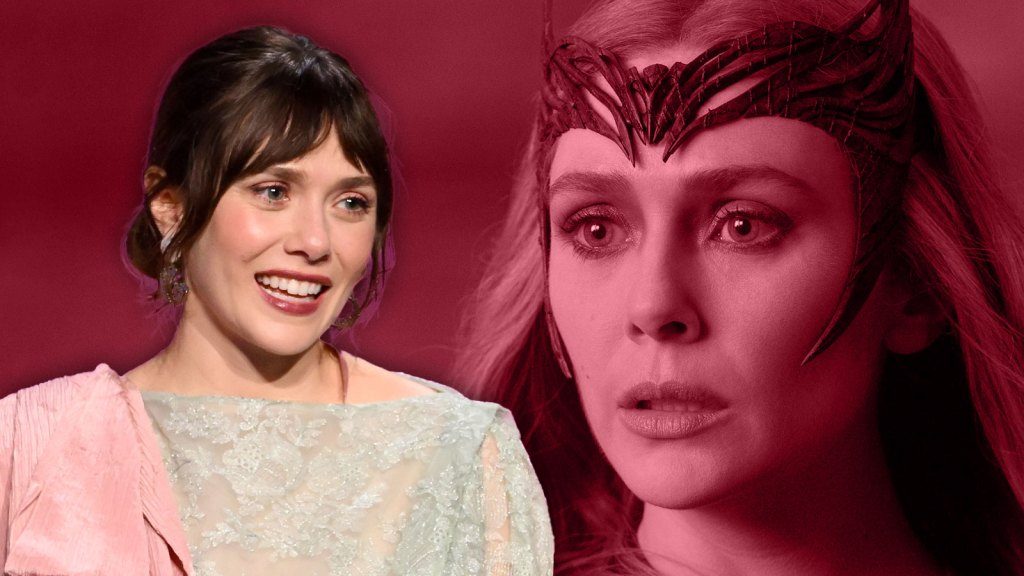
Elizabeth Olsen Challenges Marvel’s Artistic Merit: A Star’s Perspective
In a revealing interview this week, Elizabeth Olsen—best known for her role as Wanda Maximoff in Marvel’s cinematic universe—questioned the artistic value of superhero films, suggesting they don’t align with her personal tastes. The actress’s candid remarks have reignited debates about the balance between commercial success and artistic integrity in Hollywood’s blockbuster era.
The Interview That Sparked the Debate
During a conversation with The Hollywood Reporter, Olsen reflected on her decade-long tenure with Marvel Studios. While grateful for the opportunities, she admitted, “I sometimes struggle with the lack of creative risk-taking in these films. They’re designed for mass appeal, which can limit the depth of storytelling.” Her comments echo sentiments shared by other actors and filmmakers who’ve navigated the Marvel machine.
Olsen’s perspective isn’t isolated. Industry analysts note that Marvel’s films, despite their global dominance, often prioritize formulaic narratives over experimental filmmaking. A 2022 study by the University of Southern California found that 78% of Marvel’s scripts follow a three-act structure with near-identical pacing, a stark contrast to indie films or auteur-driven projects Olsen has championed, such as Wind River (2017).
Art vs. Commerce: A Growing Tension in Hollywood
The divide between artistic ambition and commercial viability has long plagued Hollywood. Marvel’s films—grossing over $29 billion worldwide—are undeniably successful, yet critics argue they’ve homogenized cinema. “Franchises like Marvel prioritize spectacle over substance,” argues Dr. Alicia Carter, a film studies professor at NYU. “They’re engineered for profitability, not necessarily for pushing boundaries.”
However, defenders of the genre highlight its cultural impact. “Superhero films resonate because they’re modern myths,” counters filmmaker James Gunn, director of Marvel’s Guardians of the Galaxy series. “They blend entertainment with themes of heroism and morality, accessible to global audiences.”
- Box Office Dominance: Marvel holds 6 of the top 20 highest-grossing films ever.
- Awards Recognition: Only 3 Marvel films have earned Best Picture nominations, with none winning.
- Audience Reach: Marvel’s social media following exceeds 150 million, dwarfing niche arthouse studios.
Olsen’s Career Crossroads: From Blockbusters to Indie Projects
Olsen’s critique coincides with her pivot toward smaller projects. After Doctor Strange in the Multiverse of Madness (2022), she starred in HBO’s Love & Death, a dramatic miniseries praised for its nuanced character work. “I crave roles that challenge me emotionally,” she told Variety last year. “There’s a different kind of fulfillment in intimate storytelling.”
Her shift mirrors trends among peers. Scarlett Johansson (Black Widow) and Daniel Kaluuya (Black Panther) have also balanced franchise work with indie films, seeking creative diversity. Yet, as Olsen acknowledges, Marvel’s platform provides unparalleled visibility: “These movies fund the projects I’m passionate about. It’s a symbiotic relationship.”
The Future of Superhero Cinema: Evolution or Stagnation?
As audiences show signs of “superhero fatigue”—evidenced by underperformers like The Marvels (2023)—studios face pressure to innovate. DC’s upcoming Joker: Folie à Deux, a musical thriller, suggests a willingness to experiment. Meanwhile, Marvel plans to introduce more character-driven stories, like Daredevil: Born Again, aiming for grittier tones.
“The genre must adapt or risk decline,” warns box office analyst Rebecca Tran. “Viewers want fresh narratives, not just CGI battles.” Olsen’s comments may reflect a broader demand for change, one that could redefine blockbuster filmmaking.
Conclusion: A Catalyst for Conversation
Elizabeth Olsen’s honesty underscores a pivotal moment for Hollywood. While Marvel’s model isn’t disappearing, her perspective invites reflection on what cinema can—and should—be. For fans and creators alike, the challenge lies in supporting both spectacle and artistry. As the debate continues, one thing is clear: the future of film will hinge on balancing creativity with commerce.
Call to Action: What’s your take? Do superhero films need more artistic risks, or should they stay true to their roots? Join the conversation on social media using #ArtVsMarvel.
See more CNET Live