
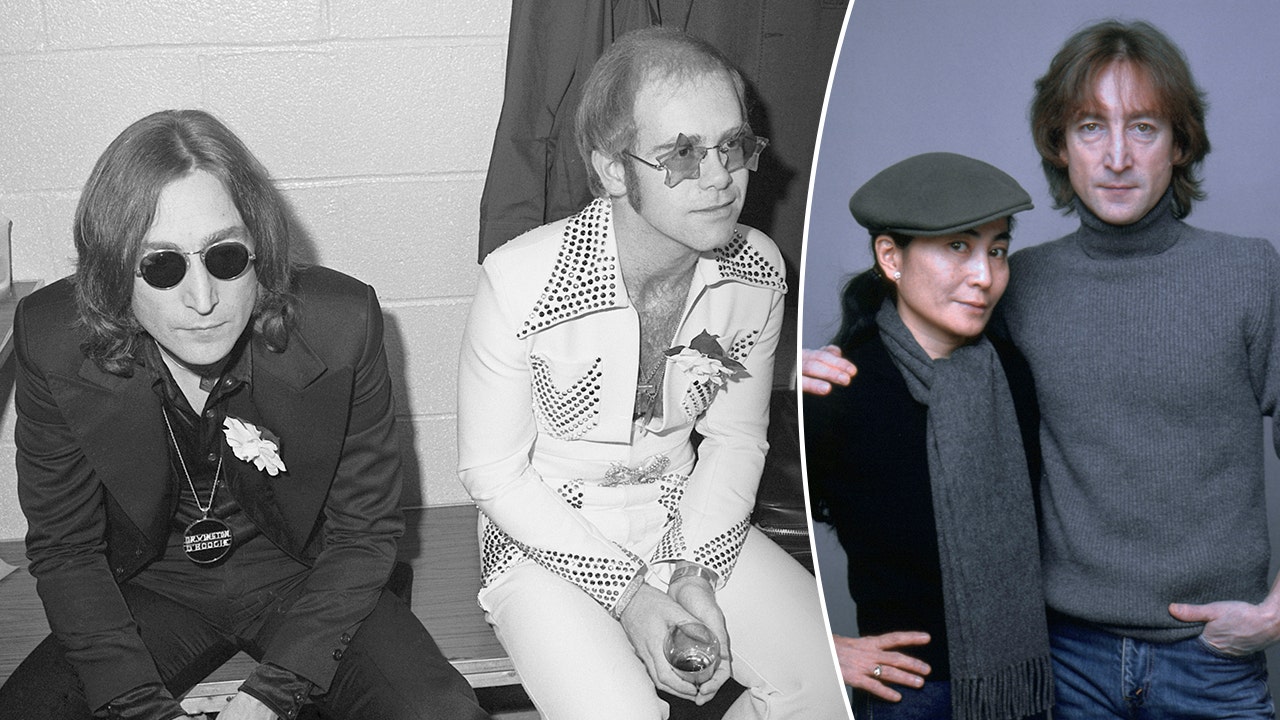
The Reunion that Changed Music History
In the realm of popular music, few relationships have been as pivotal and complex as that of John Lennon and Yoko Ono. Their partnership, both romantic and artistic, was marked by profound love, intense public scrutiny, and fluctuating creative energies. Amidst this backdrop of personal and professional turmoil, it was the intervention of another music icon, Elton John, that played a critical role in reuniting the couple during a crucial period in their lives. This article delves into the details of this reunion, its significance, and the broader implications for the music industry.
The Context of Separation
By the late 1970s, John Lennon was navigating a turbulent phase marked by the pressures of fame, family life, and the harsh scrutiny of the media. After the release of his 1971 album, *Imagine*, which solidified his status as a solo artist, Lennon and Ono faced personal challenges that led to a temporary separation. The couple’s creative collaboration was also at a standstill, with both artists experimenting with their own solo projects.
During this time, Lennon struggled with his identity as an artist and as a father. The public’s fascination with his life created an overwhelming atmosphere, and the couple found themselves drifting apart emotionally and artistically. Yoko Ono, a visionary in her own right, was also exploring her own artistic endeavors, but the absence of Lennon in her life was deeply felt. It was within this context that Elton John emerged as a bridge.
Elton John’s Role as a Mediator
Elton John was not only a fan of The Beatles; he was also a close friend of Lennon. Their paths had crossed numerous times, and John had always admired Lennon’s work. In 1974, at a time when both Lennon and Ono were in desperate need of connection, Elton’s influence became instrumental.
In the spring of 1974, Elton John invited Lennon to perform as a surprise guest during his concert at Madison Square Garden. This invitation not only provided Lennon with a unique opportunity to reconnect with the live music scene but also served as a catalyst for his reunion with Ono. Elton recognized the tension between the couple and sought to mend it in his own way.
The Historic Madison Square Garden Performance
The concert took place on November 28, 1974, and is remembered as one of the most significant moments in rock history. With a backdrop of excitement and anticipation, Lennon took the stage alongside Elton John, marking his first public performance in over two years. The duo performed a medley of songs, including “Whatever Gets You Through the Night,” culminating in an electrifying moment that reignited Lennon’s passion for music.
However, it was not just the performance that was significant; it was the emotional reunion that took place backstage. Following the concert, Lennon and Ono had a heartfelt conversation that rekindled their relationship. John’s role as a mediator was pivotal in creating an environment where both artists could express their feelings and reinvigorate their collaboration.
The Aftermath: A New Artistic Era
In the wake of this reunion, Lennon and Ono began working together again, leading to the release of the album *Double Fantasy* in 1980. This album, which featured both of their voices and perspectives, was a profound statement of love and artistic synergy. The collaboration marked a new phase in their relationship, blending Ono’s avant-garde influences with Lennon’s melodic sensibilities.
Tragically, the success of *Double Fantasy* was overshadowed by Lennon’s assassination on December 8, 1980. The album, however, left an indelible mark on music history, and its themes of love, reconciliation, and artistic exploration continue to resonate with fans and artists alike.
Elton John’s Enduring Legacy
Elton John’s role in reuniting Lennon and Ono is often overshadowed by the larger narrative of Lennon’s life and career. However, it underscores the importance of friendships and collaborations in the arts. Elton’s ability to navigate personal dynamics and foster connections speaks to his deep understanding of the music industry and the human experience.
- Impact on Future Collaborations: The reunion not only reignited Lennon and Ono’s partnership but also set a precedent for artists to collaborate and support one another, regardless of personal struggles.
- Cultural Significance: This moment in music history highlights the power of reconciliation and the importance of emotional connection in creative expression.
- Influence on New Generations: The story serves as an inspiration for new artists, illustrating the potential for collaboration to transcend personal and professional challenges.
Conclusion: The Power of Connection
The reunion of John Lennon and Yoko Ono, facilitated by Elton John, is a testament to the power of connection in the music industry. It illustrates how friendships can lead to creative breakthroughs and personal healing. As the music world continues to evolve, the legacy of such moments reminds us that behind every iconic collaboration lies a story of love, struggle, and the unyielding human spirit.
As we reflect on this pivotal moment, it is crucial to acknowledge the role of artists in shaping not only the music but also the cultural narratives that define generations. Elton John’s intervention may have been a single moment in time, but its ripple effects continue to influence the landscape of modern music, encouraging artists to embrace collaboration and support each other’s journeys.
See more CNET Live