
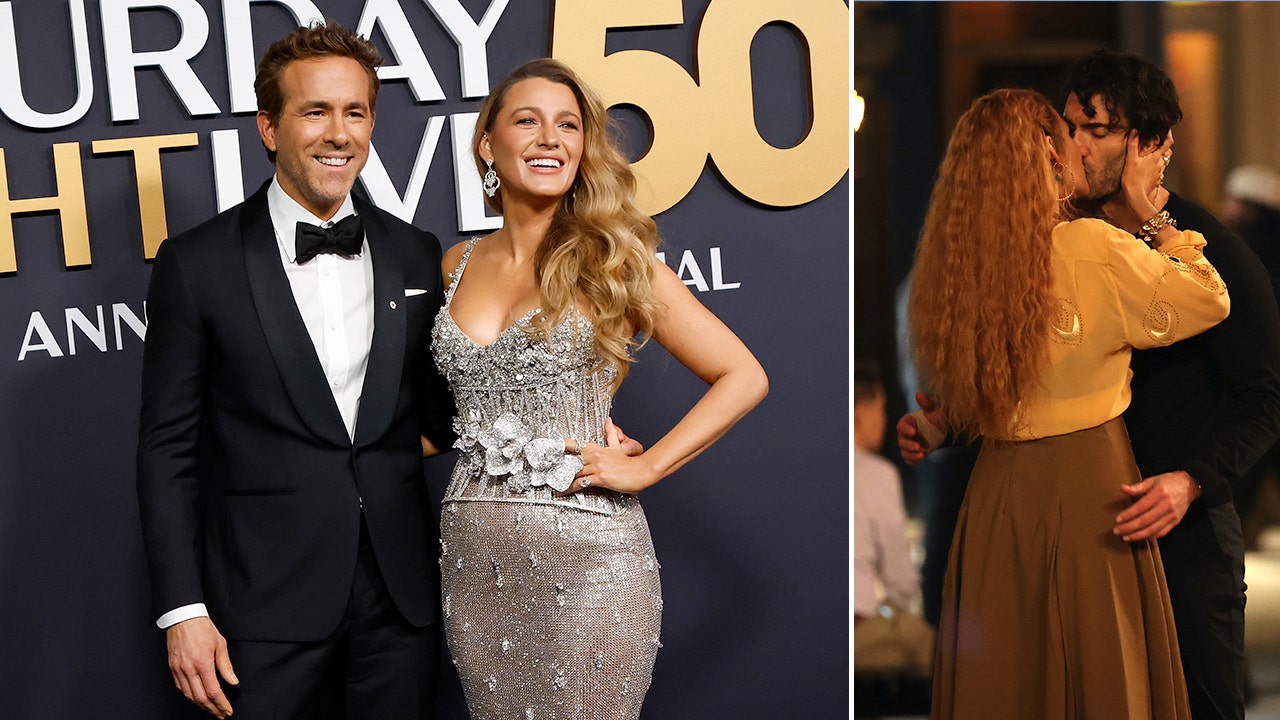
Expert Weighs In: The Implications of Lively and Reynolds’ ‘SNL50’ Appearance on Emotional Distress Claims
In a world where celebrity actions are scrutinized under a legal microscope, the recent guest appearance of Blake Lively and Ryan Reynolds on ‘SNL50’ has sparked discussions among legal experts regarding its potential implications for emotional distress claims. This analysis delves into how their lighthearted and comedic portrayal may complicate any future legal actions they may pursue, particularly those focused on emotional distress. By examining the intersection of celebrity culture and legal ramifications, we can better understand the nuances involved.
The Context of the ‘SNL50’ Appearance
Blake Lively and Ryan Reynolds, beloved figures in Hollywood, have garnered a reputation not just for their acting prowess but also for their playful public persona. Their recent appearance on ‘SNL50’ showcased their chemistry and humor, drawing laughter and applause from the audience. However, as entertaining as it was, this performance raises critical questions about the potential impact on any legal claims they may consider in the future.
In the realm of emotional distress claims, the legal system often assesses the context and conduct of the individuals involved. A public performance that highlights humor and levity might be perceived as contradictory to claims of emotional suffering. For instance, if Lively or Reynolds were to pursue an emotional distress claim stemming from a public incident, their comedic portrayal could be used against them, suggesting that their emotional state is not as severe as claimed.
Understanding Emotional Distress Claims
Emotional distress claims typically fall under two categories: intentional infliction of emotional distress (IIED) and negligent infliction of emotional distress (NIED). Both require a demonstration of severe emotional trauma caused by another party’s actions. The core elements of these claims often include:
- Conduct: The actions must be outrageous or extreme.
- Causation: There must be a clear link between the conduct and the emotional distress.
- Severity: The distress experienced must be significant and verifiable.
In light of these requirements, a celebrity’s public persona plays a pivotal role in how their claims are perceived. If Lively and Reynolds are seen consistently engaging in humor and light-heartedness, it could undermine their claims of severe emotional distress.
The Role of Celebrity Persona in Legal Contexts
The celebrity persona is a double-edged sword in legal scenarios. On one hand, public figures like Lively and Reynolds benefit from their fame, drawing significant media attention and public support. On the other hand, this very visibility can complicate legal matters, particularly emotional distress claims.
Legal experts suggest that the more a celebrity participates in public jest or comedic performances, the harder it becomes to argue that they are suffering emotionally. For instance, during the ‘SNL50’ skit, if Lively and Reynolds were to portray themselves as carefree and jovial, it might provide a defense for any opposing party in a potential emotional distress lawsuit. They could argue that their public behavior contradicts claims of distress, suggesting that their emotional state is not as dire as presented.
Legal Precedents and Celebrity Cases
Several legal precedents illustrate how celebrity actions can influence emotional distress claims. A notable case involved a famous actor who pursued an emotional distress claim after being harassed by paparazzi. The court ultimately ruled against the actor, citing their frequent public appearances and engagements that suggested a comfort with their celebrity status.
This case underscores the challenges faced by celebrities like Lively and Reynolds. If they wish to claim emotional distress, the court may look at their public behavior, including appearances like ‘SNL50,’ as evidence that contradicts their claims. In legal terms, this is often referred to as the “public figure doctrine,” which holds that public figures must show a greater degree of emotional distress due to their public persona.
Potential Outcomes of Emotional Distress Claims
Should Blake Lively and Ryan Reynolds decide to pursue emotional distress claims in the future, several potential outcomes could arise:
- Dismissal of Claims: Given their high-profile status and public appearances, courts may dismiss claims outright, arguing that the public persona undermines any assertions of emotional suffering.
- Settlement Offers: Opposing parties may offer settlements to avoid lengthy litigation, especially if they can leverage Lively and Reynolds’ public demeanor.
- Media Scrutiny: The media will likely intensify its scrutiny of any emotional distress claims, analyzing their public behavior for evidence that may contradict their allegations.
The recent ‘SNL50’ appearance of Blake Lively and Ryan Reynolds brings to light the complexities faced by celebrities in the legal system, especially concerning emotional distress claims. Their comedic portrayal may complicate any future claims they might pursue, as the contrast between public persona and private distress becomes a focal point in legal arguments.
As Lively and Reynolds navigate their careers, they must remain aware of how their public actions can impact their legal standing. While their charisma and humor endear them to fans, these very qualities could also serve as a barrier in any emotional distress litigation. Ultimately, the intersection of celebrity actions and legal implications illustrates a fascinating dynamic that continues to shape the lives of public figures.
In a world that thrives on celebrity culture, understanding the legal ramifications of public actions is crucial. Whether for Lively, Reynolds, or any other public figure, the balance between personal life and public persona remains a delicate dance, one that carries significant legal consequences.
See more CNET Live