
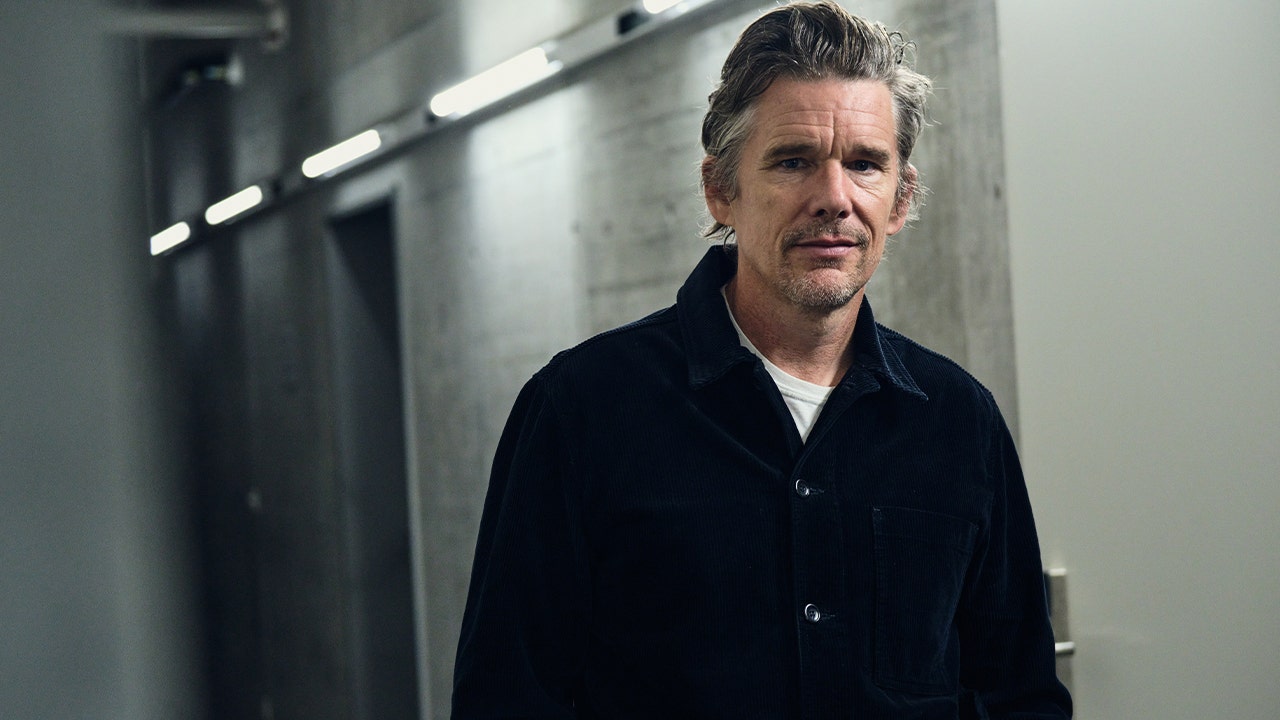
Ethan Hawke’s Bold Critique: Are Social Media Followers Dictating Casting Choices?
In a landscape where social media has become a powerful tool for shaping public perception, actor Ethan Hawke has sparked an important conversation about the nature of talent versus popularity in the entertainment industry. His provocative statement raises a pressing question: Are social media followers dictating casting choices more than an actor’s talent or experience? This debate touches on the evolving dynamics of casting and the criteria that filmmakers prioritize when selecting their talent.
The Rise of Social Media in the Entertainment Industry
Social media platforms like Instagram, TikTok, and Twitter have revolutionized how actors and filmmakers interact with fans and promote their projects. With millions of users engaging daily, the influence of online presence has never been more significant. New actors often build a following before even stepping onto a film set, and this audience can make or break a movie’s success. In many cases, studios and producers are increasingly recognizing the potential of a star’s digital reach.
For instance, when a film is marketed, the presence of actors with large social media followings can enhance promotional efforts. They can directly connect with fans, create buzz, and drive ticket sales, resulting in a shift in focus from traditional talent-based casting to a more commercially driven approach. This trend begs the question: is the industry prioritizing follower counts over acting chops?
Ethan Hawke’s Perspective
Ethan Hawke, a celebrated actor known for his roles in films such as “Before Sunrise” and “Boyhood,” has a wealth of experience in the industry. His recent remarks about the impact of social media on casting choices highlight a growing concern among established actors and filmmakers. Hawke suggests that the industry may sometimes favor those with significant social media presence over those with undeniable talent.
During an interview, he articulated his worries, stating, “There are a lot of young actors out there who may not have the talent but have millions of followers. It’s concerning because it could lead to a dilution of quality in the work we produce.” Such statements resonate with many in the industry who are anxious about the future of acting as an art form being overshadowed by superficial metrics.
The Impact on Young Actors
Young actors entering the industry today face unique challenges. While having a substantial social media following can offer opportunities, it can also create an environment where talent is secondary to popularity. This phenomenon can lead to:
- Pressure to Perform: Emerging actors might feel compelled to prioritize their online personas over developing their craft, leading to a potential decline in artistic quality.
- Unfair Competition: Talented individuals without substantial social media influence may struggle to be noticed, resulting in a lack of diversity and fresh perspectives in casting.
- Short-Term Gains: Projects may prioritize immediate marketability instead of nurturing long-term talent, affecting the overall quality of productions.
Balancing Talent and Popularity
While social media presence can undoubtedly enhance an actor’s marketability, it is essential to strike a balance between popularity and skill. Talented actors should not be overlooked in favor of influencers with large followings. Here are some ways the industry can address this challenge:
- Focus on Auditions: Casting directors should prioritize talent by emphasizing audition processes that evaluate an actor’s skills, rather than relying solely on social media metrics.
- Diverse Casting Calls: Encouraging open casting calls can help unearth hidden talent that may not have a significant online following but possesses exceptional acting abilities.
- Value Artistic Integrity: Producers and directors should be reminded of the importance of artistic integrity and the value that experienced, skilled actors bring to a project.
The Role of Audiences
Audiences play a crucial role in this debate. As consumers of entertainment, their preferences can influence casting decisions. However, audiences also have the power to support projects that prioritize talent over social media popularity. By championing films and performances that resonate on a deeper level, viewers can help shift the industry’s focus back to the art of acting.
Moreover, as awareness grows regarding the impact of social media on casting, audiences may become more discerning. They might begin to appreciate the nuances of a performance rather than just the number of followers an actor has. This change in perspective could encourage studios to invest in talent that aligns with audience expectations for authenticity and depth.
Conclusion: A Call for Change
Ethan Hawke’s bold critique of the entertainment industry serves as a reminder of the importance of talent in casting decisions. While social media has transformed how actors connect with their audience, it should not overshadow the fundamental qualities that make an actor truly great. As the industry continues to evolve, it is crucial for filmmakers, actors, and audiences alike to advocate for a more balanced approach that values both talent and the ability to engage with fans.
By fostering an environment where talent is prioritized, the entertainment industry can ensure that it not only produces commercially successful projects but also upholds the artistry that defines great cinema. In the end, it’s about storytelling—something that transcends follower counts and social media clout.
See more CNET Live