
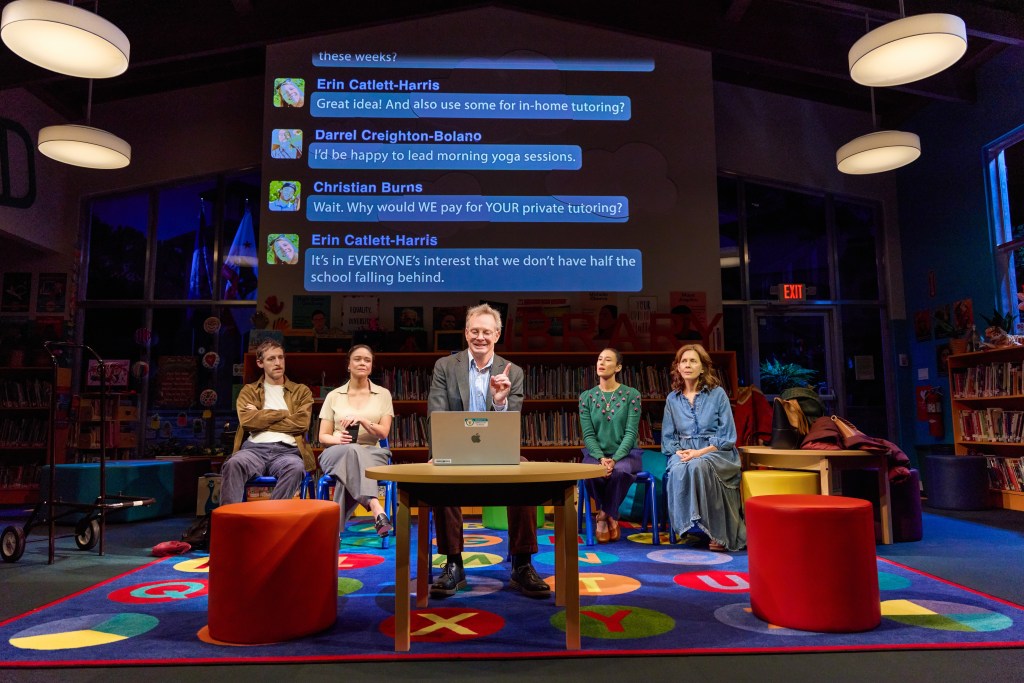
The Intersection of Humor and Public Health in ‘Eureka Day’
The Broadway play ‘Eureka Day’ has taken audiences on a unique journey through the complex world of public health, using humor to address the divisive topic of vaccines. In an era where discourse surrounding health is often fraught with tension, this production cleverly employs comedy as a vehicle for reflection and dialogue. By blending laughter with serious subject matter, ‘Eureka Day’ not only entertains but also invites audiences to engage in discussions about the implications of public health decisions.
Understanding the Context of ‘Eureka Day’
‘Eureka Day,’ written by Jonathan Spector, is set in a progressive private school in Berkeley, California, where a community grapples with the decision to mandate vaccinations for its students. The play’s premise is timely, as it reflects the real-world controversies surrounding vaccine hesitancy and public health policy. The characters, each representing different perspectives, navigate their personal beliefs and the broader societal implications of their choices.
The humor in ‘Eureka Day’ serves several purposes. It acts as a social commentary, highlighting the absurdities of the polarized debate on vaccines. The production leverages comedic elements to disarm audiences, making it easier for them to confront uncomfortable truths about health and community responsibility.
The Role of Humor in Addressing Serious Issues
Humor has long been a tool for discussing difficult subjects, allowing individuals to approach sensitive topics with a sense of levity. In the context of public health, humor can break down barriers and facilitate open conversations. Here are a few ways humor plays a crucial role in tackling public health issues:
- Reducing Anxiety: Jokes and comedic situations can help alleviate the anxiety many feel when discussing health-related topics, making it easier for individuals to engage in conversations.
- Encouraging Dialogue: Comedy can serve as an icebreaker, prompting discussions that might otherwise be avoided. It creates a safe space for differing opinions to be expressed.
- Challenging Norms: Humor often critiques societal norms and misconceptions, encouraging audiences to rethink their assumptions and beliefs about health issues.
In ‘Eureka Day,’ the characters embody these aspects of humor as they confront the realities of their decisions regarding vaccinations, which can have far-reaching consequences for their community.
Vaccine Hesitancy: A Complicated Landscape
The choice to vaccinate has become a flashpoint in American society, with factors such as misinformation, personal beliefs, and political affiliations influencing individuals’ decisions. Vaccine hesitancy has been recognized by the World Health Organization as one of the top ten global health threats.
Research indicates that vaccine hesitancy can stem from various sources:
- Misinformation: The spread of false information on social media platforms has significantly impacted public perception of vaccines.
- Personal Beliefs: Some individuals hold religious or philosophical beliefs that lead them to reject vaccines.
- Distrust in Government: A history of medical malpractice and systemic racism has fostered distrust in government and medical institutions, particularly in marginalized communities.
As ‘Eureka Day’ highlights, these complexities do not just exist in a vacuum; they affect community health and safety. The play’s comedic approach allows audiences to confront these heavy topics with a sense of humor, making the conversation more approachable.
The Broader Implications of ‘Eureka Day’
‘Eureka Day’ does more than entertain; it reflects a broader cultural moment where public health is increasingly politicized and personal. The play’s exploration of the vaccine debate serves as a microcosm for larger societal issues, including:
- Public Trust: The erosion of trust in public health institutions can have devastating effects on community health, as seen during the COVID-19 pandemic.
- Community Responsibility: The decision to vaccinate is not just a personal choice; it impacts the health of the entire community, particularly those who cannot be vaccinated for medical reasons.
- Education and Advocacy: Engaging in humor-infused discussions can be an effective strategy for public health advocates to educate communities and dispel myths about vaccines.
By presenting these themes through a comedic lens, ‘Eureka Day’ encourages audiences to reflect on their own beliefs and the impact of their choices on the collective good.
Conclusion: Laughter as a Catalyst for Change
‘Eureka Day’ exemplifies the power of theater to address pressing societal issues through humor. By tackling the sensitive subject of vaccines with wit and insight, the production fosters a dialogue that is both necessary and engaging. As audiences leave the theater, they are not only entertained but also prompted to think critically about their roles in public health debates.
In a world where public trust in health recommendations is wavering, artistic expressions like ‘Eureka Day’ remind us of the potential for humor to bridge divides and promote understanding. As we navigate the complexities of health decisions, laughter may just be the catalyst we need to foster a more informed and connected community.
See more CNET Live