
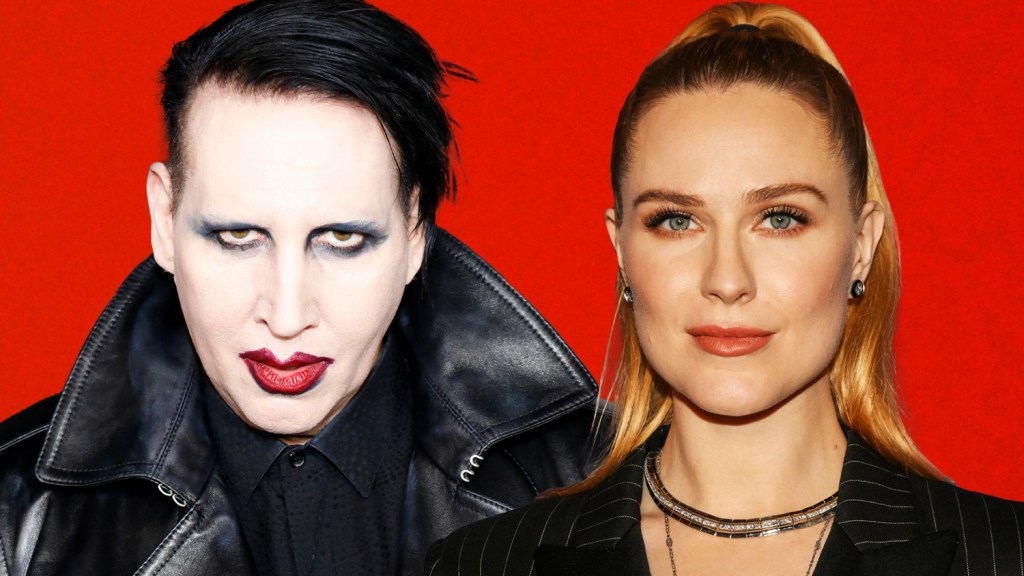
Behind the Scenes: Evan Rachel Wood Unveils Secrets of the Controversial ‘Heart-Shaped Glasses’ Music Video
In a revealing discussion, actress and musician Evan Rachel Wood has opened up about her experiences filming the music video for Marilyn Manson’s “Heart-Shaped Glasses.” This collaboration, which premiered in 2007, has long been a topic of conversation, not only for its artistic elements but also for the controversy surrounding it. Wood’s insights provide a deeper understanding of the complexities involved in the production, shedding light on the dynamic between art and personal experience.
The Concept and Vision Behind ‘Heart-Shaped Glasses’
The “Heart-Shaped Glasses” music video is visually striking, known for its surreal imagery and provocative themes. Directed by the renowned artist and filmmaker, the video is a blend of performance art and cinematic storytelling. Wood, who starred in the video alongside Manson, describes it as a representation of the darker side of love and desire. The song itself explores themes of obsession and passion, and the video amplifies these sentiments through its bold visuals.
According to Wood, the concept originated from Manson’s desire to create something that pushed boundaries. “Marilyn has always been an artist who refuses to conform,” she remarked. “He wanted to capture the essence of love in its most twisted form, and I was intrigued by the challenge.” This ambition to defy norms is a hallmark of both Manson’s music and Wood’s artistic endeavors.
Challenges During Filming
Filming “Heart-Shaped Glasses” was not without its hurdles. Wood recalls the intense atmosphere on set, which was both exhilarating and daunting. “There were moments when I felt completely lost in the character,” she explained. This emotional immersion was both a strength and a challenge, as the scenes often required her to explore uncomfortable themes.
- Physical Demands: Some sequences required physical exertion that left Wood exhausted yet exhilarated. “We shot for long hours, and the emotional weight was heavy,” she said.
- Emotional Turmoil: Portraying a character in a tumultuous relationship took a toll on her mental health. “I had to find ways to disconnect once the cameras stopped rolling,” Wood shared.
- Public Scrutiny: The controversial nature of the video drew significant media attention, which added pressure during production. Wood reflected, “Knowing that people would dissect every frame made it a bit nerve-wracking.”
Artistic Collaboration with Marilyn Manson
Wood’s relationship with Manson has been a subject of fascination for fans and critics alike. The duo shared a unique artistic chemistry that translated into their work. During filming, they often engaged in deep discussions about the themes they were exploring, which helped to inform their performances.
“Marilyn is incredibly passionate about his art,” Wood noted. “He pushed me to dig deeper, to explore the darker aspects of love and desire. It was a collaborative effort in every sense.” This collaboration not only strengthened their artistic bond but also created a piece that resonated with audiences on multiple levels.
The Impact of the Music Video
Since its release, “Heart-Shaped Glasses” has stirred controversy and debate within the music industry and among fans. Critics have pointed to the provocative imagery and themes, while supporters laud it as a daring exploration of love. Wood believes that the video’s impact lies in its ability to provoke thought and discussion.
“Art should make you uncomfortable,” she asserted. “If it doesn’t challenge you, then it’s not doing its job.” This sentiment is echoed by many artists who believe that pushing boundaries is essential for growth within the industry.
Reflecting on the Experience
Looking back, Evan Rachel Wood sees her involvement in “Heart-Shaped Glasses” as a vital part of her artistic journey. The experience taught her about the complexities of love, the power of collaboration, and the importance of embracing one’s vulnerabilities as an artist. “Every role I take on shapes me,” she stated, “and this one was no different.”
Moreover, Wood acknowledges that the controversy surrounding the video has brought attention to important discussions about consent and representation in the entertainment industry. “We need to have conversations about how we portray relationships in media,” she emphasized. “It’s crucial that we do so in a way that respects everyone involved.”
The Legacy of ‘Heart-Shaped Glasses’
As time passes, the “Heart-Shaped Glasses” music video continues to be a topic of interest, with new generations discovering its bold visuals and themes. The collaboration between Wood and Manson has remained a significant moment in both of their careers, symbolizing a time when boundaries were pushed, and artistic expression was celebrated.
Wood’s recent reflections have reignited discussions about the importance of understanding the context behind artistic works. In an era where social media amplifies voices, many are reconsidering the narratives surrounding controversial pieces. “It’s all about perspective,” Wood said. “Understanding the artist’s intention can change how we view the work.”
Conclusion: Embracing the Complexity of Art
Evan Rachel Wood’s insights into the making of “Heart-Shaped Glasses” reveal the intricate layers of emotion, challenge, and collaboration involved in creating art. Her experiences remind us that behind every artistic endeavor lies a story filled with complexities and personal growth. As discussions surrounding the music video continue to evolve, it is clear that the art we create can spark meaningful conversations, pushing society to reflect on its values and beliefs.
Ultimately, “Heart-Shaped Glasses” is more than just a music video; it is a testament to the power of artistic expression and the conversations it can inspire. Wood’s revelations serve as a reminder that art, in all its forms, has the potential to challenge, provoke, and illuminate the human experience.
See more CNET Live