
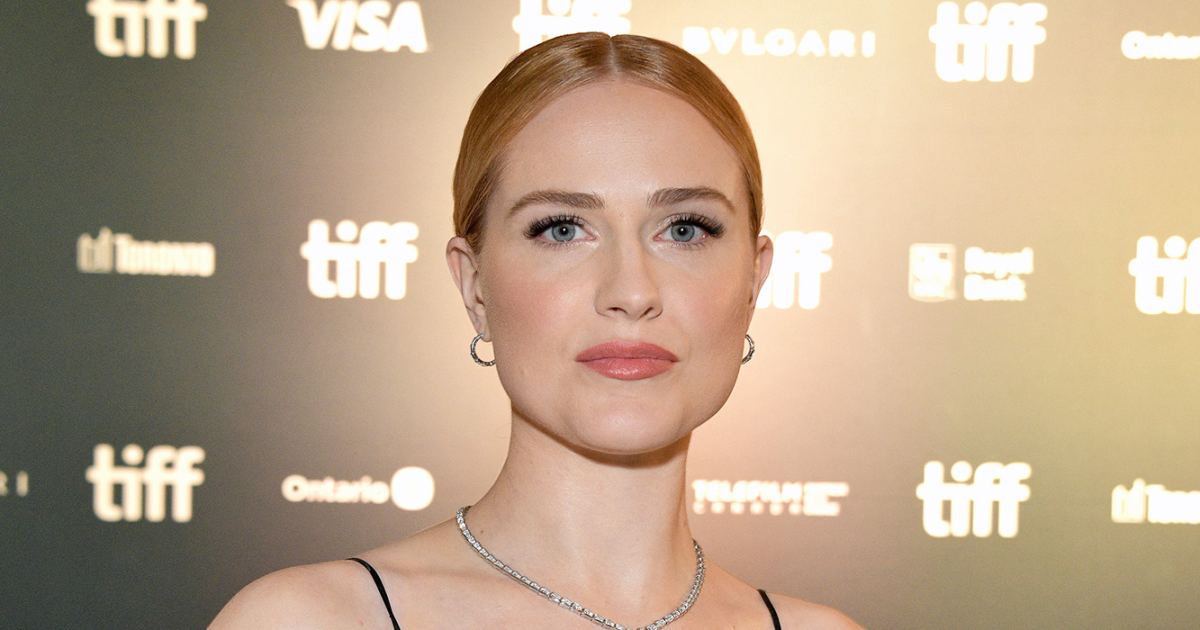
Evan Rachel Wood Responds to Surprising Dismissal of Manson Abuse Case
In a surprising turn of events, the District Attorney’s office has decided to drop the sexual abuse case against musician Marilyn Manson, a decision that has sent ripples through the entertainment industry and sparked conversations about accountability and the complexities of the legal system. Actress Evan Rachel Wood, who has been at the forefront of the allegations against Manson, has publicly responded to this unexpected dismissal, further illuminating the ongoing dialogue surrounding abuse claims and the challenges faced by survivors seeking justice.
The Context of the Case
The allegations against Marilyn Manson, whose real name is Brian Warner, emerged in 2021 when Evan Rachel Wood and other women came forward, detailing their experiences of abuse and manipulation. Wood, in particular, has been a vocal advocate for survivors of abuse, sharing her own harrowing experience with Manson, whom she previously dated. Her testimony and those of others prompted law enforcement to launch an investigation into Manson’s conduct.
Despite the serious nature of the allegations, the recent decision by the District Attorney to drop the case has left many, including Wood, feeling frustrated and disheartened. In her response, Wood emphasized the systemic issues that often impede justice for survivors, highlighting the emotional toll these legal battles can take.
Evan Rachel Wood’s Reaction
In the wake of the dismissal, Wood took to social media to share her thoughts, expressing a mixture of disappointment and resolve. She reiterated her commitment to advocating for survivors and highlighted the importance of amplifying voices that have been silenced. Wood stated, “This is not the end. We are just getting started.” This sentiment resonates with many in the survivor community, who understand that the fight for justice is often long and arduous.
Wood’s response sheds light on the broader implications of the legal system’s handling of abuse cases. Survivors frequently encounter numerous obstacles, including victim-blaming, lack of evidence, and the emotional burden of reliving traumatic experiences in court. The dismissal of high-profile cases, like that of Manson, can discourage other survivors from coming forward, perpetuating a cycle of silence and fear.
The Complexity of Accountability
Wood’s reaction to the dismissal raises important questions about accountability in cases of alleged abuse. The legal system, while designed to protect individuals and deliver justice, often falls short, particularly when it comes to cases involving powerful figures in the entertainment industry. The disparity between public perception and legal outcomes can leave survivors feeling invalidated.
- Public Perception vs. Legal Reality: The public often rallies behind survivors, but the legal system requires concrete evidence to pursue a case, which can be particularly challenging in instances of emotional or psychological abuse.
- Power Dynamics: High-profile individuals like Manson often have access to resources and legal representation that can manipulate the system in their favor, making it harder for survivors to seek justice.
- Impact on Survivors: The dismissal of cases can have a chilling effect, making survivors hesitant to come forward for fear of facing similar outcomes.
Broader Implications for the #MeToo Movement
The dismissal of the Manson case also has broader implications for the #MeToo movement, which has been instrumental in raising awareness about sexual abuse and harassment. The movement has empowered countless individuals to share their stories, but it also highlights the need for systemic change in how abuse cases are handled.
As Wood continues to advocate for survivors, her experiences underscore the importance of creating a supportive environment that encourages individuals to come forward. This includes:
- Legal Reforms: Advocating for changes in laws that govern sexual assault and abuse cases to ensure that survivors are given a fair chance at justice.
- Community Support: Building community networks that offer emotional and legal support to those who have experienced abuse.
- Education and Awareness: Increasing awareness about the complexities of abuse and the importance of believing survivors.
The Role of the Entertainment Industry
The entertainment industry plays a significant role in shaping public perceptions of abuse. High-profile cases, like that of Marilyn Manson, can influence how society views not just the accused but also the survivors. Wood’s advocacy has brought attention to the need for accountability within the industry itself.
There is a growing call for entertainment companies to take a stand against abusive behavior, including:
- Implementing Stronger Policies: Establishing clear policies regarding harassment and abuse, ensuring that victims have a safe avenue to report incidents.
- Supporting Survivors: Providing resources and support for survivors, including mental health services and legal assistance.
- Promoting Transparency: Encouraging transparency and accountability among industry professionals to foster a culture where abuse is no longer tolerated.
Conclusion: Moving Forward
Evan Rachel Wood’s response to the surprising dismissal of the Manson abuse case serves as a powerful reminder of the ongoing struggle for justice faced by survivors of abuse. While the legal system may have its limitations, the resilience of survivors and their advocates continues to drive the conversation forward.
As Wood and others continue to speak out, it is essential for society to listen and support those who have been affected by abuse. The fight for accountability and justice is far from over, and with each voice that joins the chorus, the movement grows stronger. Together, we can work towards a future where survivors are believed, supported, and empowered to seek the justice they deserve.
See more CNET Live