
Unpacking the Anarchy: Fear’s Provocative Performance on SNL
The punk rock band Fear made waves during their appearance on Saturday Night Live (SNL) in 1981, a performance that exemplified the anarchic spirit of punk culture. This moment not only redefined the boundaries of musical performance on television but also left an indelible mark on the perception of punk rock in mainstream media. In this article, we’ll delve into the electrifying history and motivations behind Fear’s notorious anarchic turn during their groundbreaking SNL appearance, exploring how this moment reshaped perceptions of punk culture and television.
The Context of Punk Rock in the Early 1980s
To fully appreciate Fear’s provocative performance, we must first understand the cultural landscape of the early 1980s. Punk rock emerged in the mid-1970s as a rebellious response to the prevailing music scene dominated by disco and classic rock. Bands like the Ramones, Sex Pistols, and The Clash brought raw energy and a do-it-yourself ethos to the forefront of music. By the time Fear was invited to perform on SNL, punk had evolved into a symbol of anti-establishment sentiment and social critique.
Fear, formed in 1977 in Los Angeles, was known for their chaotic sound and confrontational style. Their music was characterized by fast tempos, aggressive lyrics, and a sense of nihilism that resonated with disillusioned youth. The band’s leader, Lee Ving, epitomized the punk ethos with his brash demeanor and outspoken nature. Their SNL appearance was not just a performance; it was a declaration of punk’s place in the cultural zeitgeist.
Fear’s SNL Performance: A Shocking Turn of Events
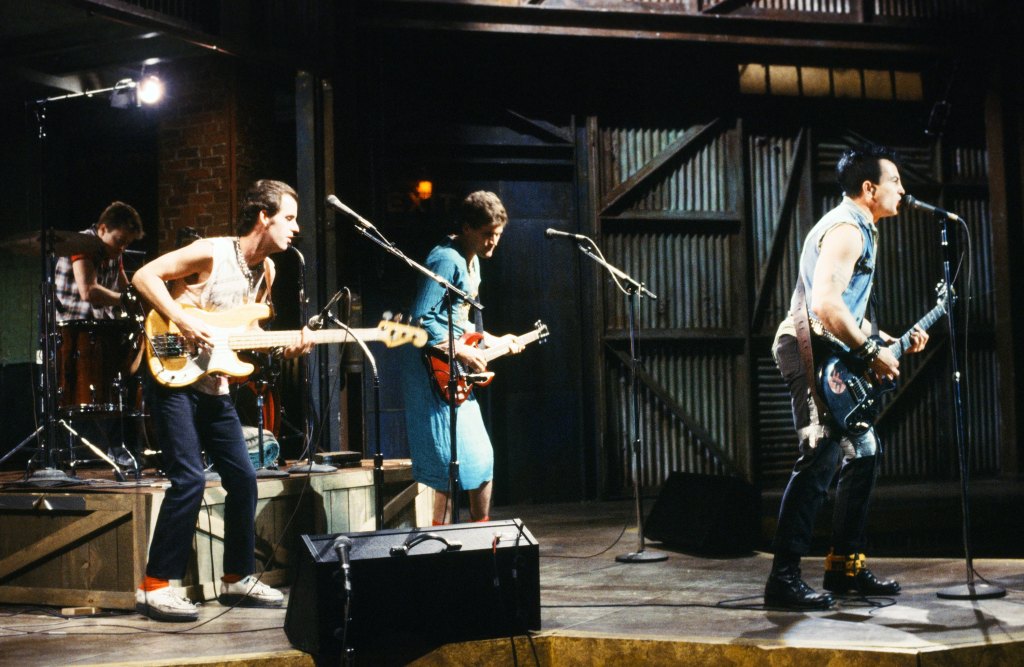
On November 7, 1981, Fear took the stage of SNL for an unforgettable performance that would go down in television history. Initially scheduled to play their songs “I Don’t Care” and “Beef Bologna,” the band’s set quickly spiraled into chaos. The performance was marked by a wild mosh pit that erupted in the audience, a stark contrast to the usual decorum expected on live television.
As Fear played, the energy in the studio reached a fever pitch. The band’s raw sound and intense stage presence captivated viewers, but it was the ensuing mayhem that truly shocked the audience. The performance featured a crowd of punk fans that had been invited to join in, creating a scene of frenetic energy that seemed to defy the norms of televised music performances. The sight of audience members moshing, dancing, and even clashing with security guards was unprecedented for a show like SNL, traditionally known for its comedic sketches and polished musical acts.
The Anarchy of Fear’s Performance
Fear’s anarchic performance was emblematic of the punk movement’s rejection of authority and societal norms. The band’s chaotic energy reflected punk’s broader themes of rebellion and defiance. Lee Ving, in particular, embraced this ethos, often taunting the audience and encouraging them to let loose. This moment was not merely about music; it was a statement about freedom of expression and the rejection of mainstream conformity.
In many ways, Fear’s SNL appearance can be seen as a watershed moment for punk rock. The band’s willingness to disrupt the status quo shattered preconceived notions of what music performances could be, paving the way for future artists to express themselves more freely. The anarchic spirit they embodied resonated with a generation that sought to break free from societal constraints.
The Aftermath: Cultural Impact and Legacy
The immediate aftermath of Fear’s performance was a mix of outrage and admiration. Some viewers were appalled by the chaos, while others celebrated the authenticity and raw energy that the band brought to the show. This duality highlighted a crucial aspect of punk culture; it was never meant to be universally accepted. Instead, it thrived on controversy and the ability to provoke thought and discussion.
In the years that followed, Fear’s SNL performance became a touchstone for discussions about punk rock’s impact on mainstream culture. It challenged television networks to reconsider the types of performances they showcased, leading to a broader acceptance of alternative music in the media. Bands that followed, such as Nirvana and Green Day, would later capitalize on the groundwork laid by Fear and others, using television as a platform to express their own anarchic messages.
Redefining Punk Culture
Fear’s performance on SNL was not just an isolated incident; it was part of a larger narrative that redefined punk culture. The punk rock movement was characterized by its anti-commercial stance, yet the SNL appearance highlighted the paradox of seeking mainstream exposure while rejecting its conventions. This tension remains relevant in today’s music industry, where authenticity is often at odds with commercial success.
Moreover, the performance brought punk culture into the living rooms of millions, influencing how it was perceived by the general public. While some dismissed it as a passing fad, others recognized the depth and complexity of punk as a cultural phenomenon. Fear’s anarchic turn on SNL served as a reminder that punk was more than just music; it was a voice for the voiceless, a platform for dissent, and a celebration of individuality.
Conclusion: Fear’s Enduring Legacy
Unpacking the anarchy of Fear’s performance on SNL reveals not only a pivotal moment in music history but also a profound commentary on the nature of punk culture itself. Their willingness to disrupt and challenge societal norms resonated with a generation, reshaping perceptions of punk and its role in television. Today, as we look back on that electrifying performance, it serves as a testament to the power of music as a form of protest and expression. Fear’s legacy continues to inspire new generations of artists and fans, reminding us that the spirit of punk is alive and well, always ready to provoke, challenge, and inspire.
As we navigate an increasingly complex cultural landscape, it’s essential to remember the lessons of the past. Fear’s anarchic performance on SNL was more than just a fleeting moment of chaos; it was a powerful statement about the importance of authenticity, freedom, and the relentless pursuit of artistic expression. Punk rock may have evolved, but its core message remains unchanged: be bold, be loud, and never shy away from challenging the status quo.
See more CNET Live