
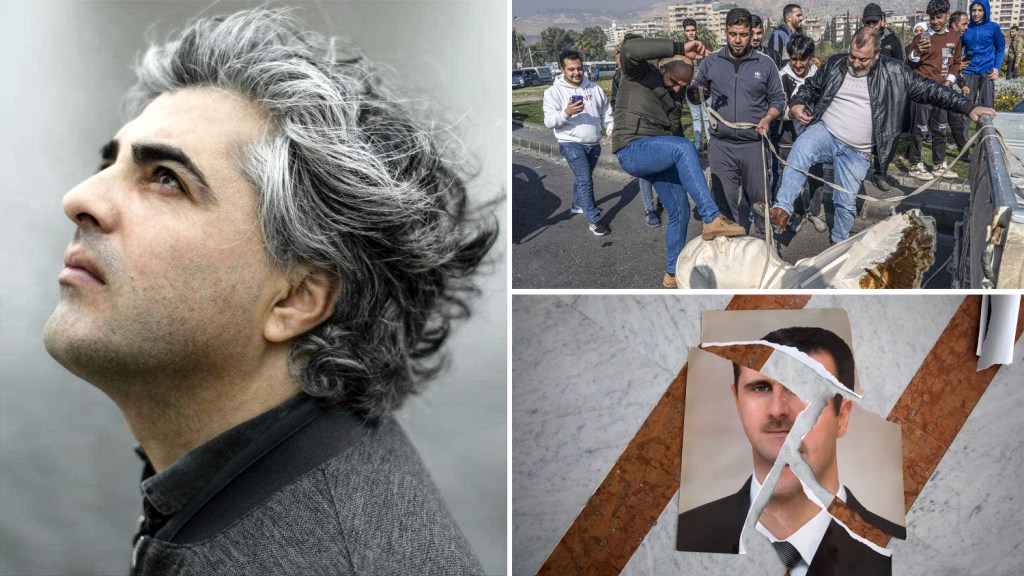
Inside the Mind of Feras Fayyad: A Director’s Journey Through Syria’s Turmoil
Oscar-nominated director Feras Fayyad has carved a unique niche in the realm of documentary filmmaking, focusing on the profound impact of the Syrian conflict. His works, such as “Last Men in Aleppo” and “The Cave,” have thrust the harrowing realities of life under Bashar Al-Assad’s regime into the global spotlight. Through his lens, Fayyad captures not just the despair and destruction, but also the resilience and hope that persist amidst chaos. This article delves into Fayyad’s journey, his motivations, and how his experiences shape the narratives he shares.
The Early Life of Feras Fayyad
Born in Syria, Feras Fayyad’s early years were steeped in a culture rich in storytelling and visual art. His childhood was marked by a fascination with cinema, which served as an escape from the realities surrounding him. Fayyad pursued his passion for film and eventually studied at the University of Damascus. However, as the political climate in Syria grew increasingly oppressive, his artistic aspirations collided with the harsh realities of life under a dictatorial regime.
The Spark of Activism
Fayyad’s transition from filmmaker to activist came as the Syrian uprising began in 2011. He witnessed the brutal crackdown on peaceful protests, which ignited a fire within him to document the truth. The shift from fiction to documentary was not just a career change; it was a moral imperative. He understood that stories needed to be told—stories of those living through unimaginable suffering.
Documenting the Syrian Conflict
Feras Fayyad’s documentaries are characterized by their unflinching realism and emotional depth. In “Last Men in Aleppo,” he chronicled the efforts of the White Helmets, a volunteer group dedicated to rescuing civilians affected by the ongoing bombardments. The film offers a visceral portrayal of life in a city under siege, capturing the courage of individuals who risk everything to save others.
Personal Stories Amidst Chaos
One of the striking aspects of Fayyad’s work is his ability to humanize the statistics that often accompany reports on the Syrian conflict. He focuses on individual stories, illustrating the resilience of ordinary people. For instance, in “The Cave,” he tells the story of Dr. Amani Ballour, a pediatrician and the manager of an underground hospital in Ghouta. Her struggles and triumphs encapsulate the broader narrative of women’s empowerment in a war-torn society.
- Resilience: Fayyad highlights how people adapt and find strength in their communities.
- Hope: Despite the dire circumstances, the yearning for a better future shines through in his films.
- Human Connection: He emphasizes the importance of empathy and understanding across borders.
The Impact of Fayyad’s Work
The significance of Feras Fayyad’s documentaries extends beyond entertainment; they serve as powerful tools for advocacy and awareness. By sharing the personal stories of those affected by the Assad regime, he aims to evoke empathy and inspire action among audiences worldwide. His films have garnered critical acclaim, including an Oscar nomination, underscoring their importance in the global conversation about human rights and the ongoing plight of Syrians.
Challenges Faced by the Director
Creating documentaries in a conflict zone is fraught with challenges. Fayyad has faced numerous obstacles, from censorship to threats against his life. Yet, these experiences have only strengthened his resolve. He often speaks about the moral responsibility he feels as a filmmaker to bear witness to the suffering and resilience he encounters.
Fayyad’s commitment to his craft is evident in the lengths he goes to ensure authenticity. He often travels back to Syria, risking his safety to gather firsthand accounts and footage that resonate with viewers on a personal level. His dedication to portraying the truth, no matter how uncomfortable, sets him apart in the world of documentary filmmaking.
Feras Fayyad’s Vision for the Future
Looking ahead, Feras Fayyad envisions a world where stories like those of the Syrian people are no longer necessary. He dreams of a time when peace prevails, and citizens can live without fear of violence. However, until that day comes, he remains committed to documenting the realities of conflict and the indomitable spirit of those who endure it.
Education and Awareness
Fayyad believes that education is key to fostering understanding and compassion. He often engages with audiences, sharing insights from his journeys and encouraging discussions about the Syrian conflict. He emphasizes the need for informed and empathetic discourse to combat the apathy that can arise from overwhelming news cycles.
The Broader Narrative of Conflict and Human Rights
Feras Fayyad’s work highlights a broader narrative about conflict and human rights violations across the globe. While his focus is on Syria, the themes of resilience, hope, and the fight for justice resonate universally. His films serve as a reminder that storytelling is a powerful medium for change, capable of bridging divides and fostering a deeper understanding of the human experience.
- Human Rights Advocacy: Fayyad’s films contribute to the global movement for human rights, shining a light on abuses committed in Syria.
- The Role of Art in Activism: He exemplifies how art can be a form of resistance and a means to inspire social change.
- Empathy as a Catalyst: His narratives evoke empathy, urging viewers to engage with the plight of others.
Conclusion
Inside the mind of Feras Fayyad lies a profound understanding of the complexities of human suffering and the power of storytelling. His journey through Syria’s turmoil reveals not only the horrors inflicted by a regime but also the unyielding spirit of those who strive for a better future. As he continues to shed light on the realities of war, Fayyad’s work serves as a testament to the resilience of the human spirit and the enduring hope for peace and justice. In a world often overshadowed by conflict, his films remind us of our shared humanity and the power we hold to effect change.
See more CNET Live