
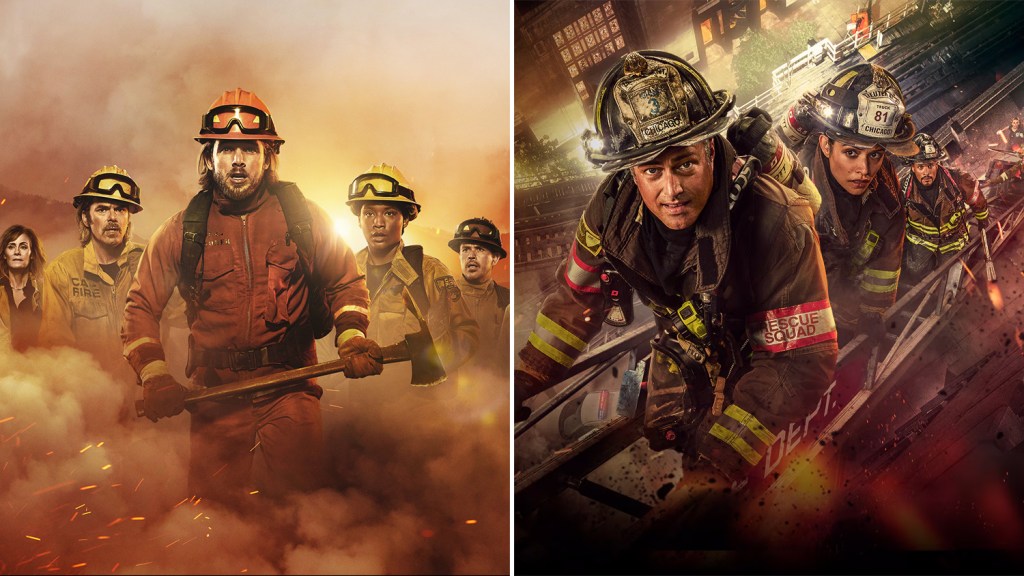
As wildfires rage across Los Angeles, the fate of the series ‘Fire Country’ hangs in the balance, while ‘Chicago Fire’ continues to air. This juxtaposition raises important questions about the impact of real-life disasters on television programming. How do shows like these, centered around firefighting and emergency response, adapt to the harsh realities of wildfire season? In this article, we will explore the intricate relationship between these series and the wildfires that inspire their narratives, examining how they reflect societal concerns and the emotional weight of such disasters.
Understanding the Context of ‘Fire Country’
‘Fire Country’, a drama series that debuted in 2022, has been making waves with its gripping portrayal of firefighters battling blazes in California. The show is set against the backdrop of real-life wildfire events, which have become increasingly common due to climate change. With California experiencing some of the worst wildfire seasons in history, the show’s premise resonates deeply with audiences. Viewers find themselves not only engaged with the characters but also reflecting on the societal and environmental issues at play.
As the series continues to air, the ongoing wildfires in the region pose a unique challenge. There’s a palpable tension between the fictional struggles of the characters and the real-life heroism of firefighters combating actual flames. This raises questions: How does a show navigate the delicate line between entertainment and the representation of reality? Can a television series remain sensitive to the experiences of those affected by such disasters while still delivering compelling drama?
Chicago Fire: A Different Perspective on Firefighting
On the other hand, ‘Chicago Fire’, which has been on the air since 2012, provides a different lens through which to view the world of firefighting. Set in the Windy City, the series focuses on the lives of firefighters and paramedics dealing with urban fires and emergencies. While not directly affected by wildfires, the show still captures the essence of bravery and the emotional toll of the job.
Despite the geographical differences, ‘Chicago Fire’ has its own set of challenges, particularly during real-life crises. The show has often addressed issues like the impact of natural disasters, urban violence, and community safety, making it relevant to current events. This adaptability is key to its longevity and success in a changing media landscape.
The Impact of Real-Life Disasters on Television Programming
The intersection of real-life disasters and television programming raises significant questions about the role of media in shaping public perception and discourse. Shows like ‘Fire Country’ and ‘Chicago Fire’ can serve as powerful platforms for awareness and education regarding firefighting and emergency response. Here are several points to consider:
- Awareness and Education: Both shows highlight the dangers of fire and the importance of preparedness. They provide a dramatized yet informative view of firefighting, potentially motivating viewers to learn more about fire safety and emergency response.
- Emotional Connection: Audiences often form emotional bonds with characters, making the narrative more impactful. This connection can lead to increased empathy towards real-life firefighters and their families.
- Public Discourse: By addressing issues related to climate change and the increasing frequency of wildfires, these shows can contribute to broader conversations about environmental responsibility and community resilience.
Challenges in Production During Wildfire Season
Producing a show like ‘Fire Country’ during wildfire season brings its own set of challenges. The safety of cast and crew is paramount, and production schedules may need to be adjusted in response to changing conditions. This can lead to creative decisions that reflect the urgency of real-world events. For instance:
- Filming Locations: Filming in areas affected by wildfires may be risky, necessitating quick changes in location. Additionally, smoke and air quality can pose health risks.
- Storyline Adjustments: Writers may need to incorporate real-time events into the narrative, blurring the lines between fiction and reality. This requires a sensitive approach to storytelling.
- Community Engagement: Shows may engage with local fire departments or organizations to ensure accurate representation, fostering a sense of community and collaboration.
Viewer Reception and Cultural Impact
How do audiences respond to shows that mirror their realities? Viewer reception can be a mixed bag. Some appreciate the realism and emotional depth, while others may find it too close for comfort. This duality is evident in social media discussions and critical reviews. Audiences often express their feelings about the representation of firefighters and the realities of wildfires, emphasizing the importance of authenticity in storytelling.
Furthermore, these series can influence public perception of firefighters and emergency responders. By portraying the dedication and challenges faced by these professionals, they can foster greater respect and appreciation for their work. This cultural impact extends beyond entertainment, shaping societal attitudes toward emergency response and environmental issues.
As wildfires continue to rage across California and beyond, shows like ‘Fire Country’ and ‘Chicago Fire’ navigate a complex landscape of storytelling, community engagement, and real-life challenges. The juxtaposition of their narratives against the backdrop of actual disasters not only enhances the viewing experience but also serves a greater purpose in raising awareness about firefighting and environmental issues.
Ultimately, these series remind us that behind every story of heroism, there are real people facing real challenges. As audiences, we must engage thoughtfully with the content we consume, recognizing the delicate balance between entertainment and the harsh realities of life. Whether you’re a fan of ‘Fire Country’ or ‘Chicago Fire’, the flames of reality burn brightly, illuminating the path for future storytelling in the realm of firefighting and beyond.
See more CNET Live