
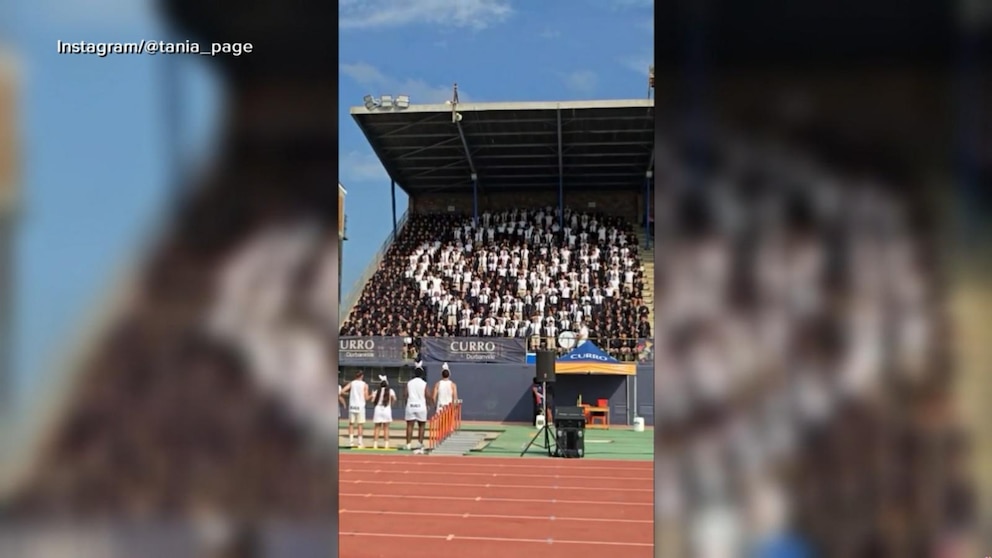
Unveiling the Artistry: A Captivating Flash Formation Performance
In the realm of performance arts, few spectacles can rival the stunning visual and emotional impact of a flash formation performance. This unique art form combines elements of dance, choreography, and teamwork, captivating audiences with its intricate formations and synchronized movements. These performances are not merely routines; they are a celebration of creativity, precision, and human connection. In this article, we will delve into the mesmerizing world of flash formation performances, exploring what makes them unforgettable and the remarkable talent behind them.
What is Flash Formation Performance?
Flash formation performances are choreographed routines that typically involve a large group of performers coming together to create visually arresting shapes and patterns. Often spontaneous and unexpected, these performances can take place in public spaces, during events, or as part of organized shows. With a focus on synchronization, the performers’ movements must be perfectly timed and executed, showcasing their skill and dedication.
The artistry of flash formation performance lies in its ability to blend various art forms. Whether it’s the fluidity of dance, the creativity of visual art, or the precision of military drills, these performances encapsulate a rich tapestry of human expression. They often tell a story or convey a message, engaging the audience on multiple levels.
The Components of a Flash Formation Performance
To truly appreciate the artistry involved in flash formation performances, it’s essential to understand their key components:
- Choreography: At the heart of any flash formation performance is its choreography. This involves the careful planning of movements, formations, and transitions, ensuring that every performer knows their role and timing.
- Teamwork: Flash formations rely heavily on collaboration. Each performer must be in sync with others, which requires trust, communication, and practice. The magic happens when individuals come together to create something greater than themselves.
- Music and Rhythm: Most performances are choreographed to music, which adds an emotional layer to the visual spectacle. The beat and rhythm guide the performers, creating an immersive experience for the audience.
- Costuming and Visual Elements: The impact of a flash formation is enhanced by costumes and visual aesthetics. Bright colors, thematic attire, and creative props can transform a simple performance into a stunning visual feast.
The Process Behind Creating a Flash Formation Performance
Creating a captivating flash formation performance is no small feat. It involves several steps:
- Concept Development: Every performance begins with a concept. This could be inspired by a theme, a story, or a social message the performers want to convey.
- Choreography Creation: Once the concept is established, choreographers begin designing the movements. This is often an iterative process, with multiple revisions to ensure fluidity and engagement.
- Rehearsals: Rehearsals are crucial. Performers must practice repeatedly to perfect their timing and formations. This is where teamwork is truly tested, as trust and communication are essential.
- Feedback and Refinement: After rehearsals, feedback sessions allow for performance adjustments. This helps in refining the routine, ensuring that every aspect aligns with the initial vision.
- Performance Day: The culmination of hard work and dedication leads to the performance day. The excitement in the air is palpable as performers prepare to share their artistry with an audience.
The Emotional Impact of Flash Formation Performances
What sets flash formation performances apart is their emotional resonance. These events often elicit a range of feelings from the audience, from joy and excitement to introspection and inspiration. The collective experience of witnessing a well-executed performance can be profoundly moving.
For performers, the experience is equally impactful. The thrill of performing in front of an audience, the rush of adrenaline, and the bond formed with fellow performers create a sense of fulfillment. Many artists describe this feeling as addictive, driving them to continuously improve and create more engaging performances.
Notable Examples and Cultural Significance
Flash formation performances have gained popularity across various cultures and communities. Here are a few notable examples that highlight their significance:
- Flash Mobs: These spontaneous gatherings often involve large groups of people performing a choreographed dance in public spaces. Flash mobs gained fame in the early 2000s and have since become a cultural phenomenon, often used for promoting social causes or simply bringing joy to passersby.
- Professional Dance Ensembles: Many professional dance companies incorporate flash formation elements into their performances, showcasing the precision and artistry of group choreography. Companies like the Alvin Ailey American Dance Theater have captivated audiences with their stunning ensembles.
- Cultural Festivals: Various cultural festivals around the world feature flash formation performances as a way to celebrate tradition and community. These performances often highlight cultural narratives and promote unity among participants.
Behind the Scenes: The Talent and Training
The success of a flash formation performance hinges on the talent and training of its performers. Most artists begin their journey in dance or theater at a young age, dedicating countless hours to refining their craft. Training often includes:
- Dance Classes: Many performers take classes in various dance styles, such as ballet, hip-hop, jazz, or contemporary, to build a strong foundation.
- Team Training: Group practices are essential for developing teamwork skills and synchronizing movements. This often involves learning to communicate effectively and build trust with fellow performers.
- Workshops and Masterclasses: Attending workshops led by industry professionals provides invaluable insights and techniques that can enhance a performer’s skill set.
Conclusion: The Future of Flash Formation Performances
As we look to the future, the artistry of flash formation performances continues to evolve. With advancements in technology and social media, these performances can reach broader audiences than ever. Artists are now experimenting with virtual platforms, creating hybrid performances that blend live action with digital elements.
Flash formation performances are more than just a display of skill; they are a profound exploration of creativity, community, and emotion. Whether you’re a performer or an audience member, engaging with this art form is an experience that resonates deeply, reminding us of the power of human connection and the beauty of artistic expression.
In the end, as we unveil the artistry behind flash formation performances, we celebrate not just the performances themselves, but the passion, dedication, and creativity that bring them to life.
See more CNET Live