
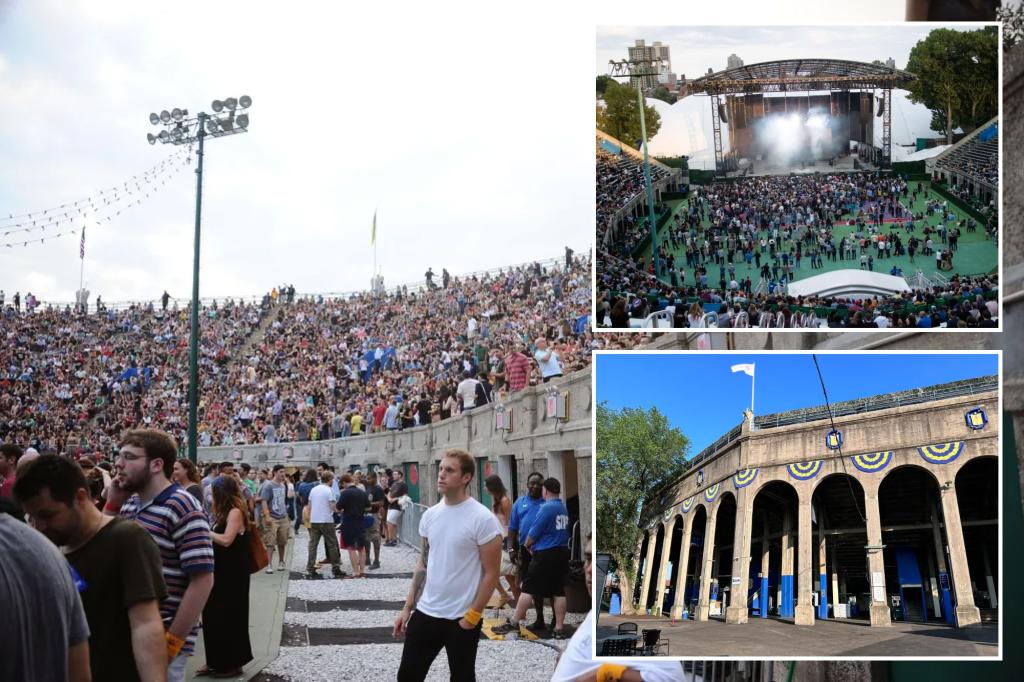
Forest Hills Stadium’s Summer Concerts: A Cultural Lifeline at Risk
As whispers of uncertainty surround the future of summer concerts at Forest Hills Stadium, a beloved venue nestled in the heart of Queens, New York, community members are raising their voices in concern. The potential cancellation of these cherished events poses profound implications for local culture and community spirit. Will the absence of summer concerts throw the neighborhood into chaos, or can a solution be forged to preserve this treasured tradition? Let’s delve deeper into the significance of these concerts and the challenges they face.
The Heart of the Community
Forest Hills Stadium, a historic site dating back to the 1920s, has long served as a cultural beacon for the area. Known for its intimate atmosphere and stunning acoustics, the venue has hosted an impressive array of performances from legendary artists, ranging from The Beatles to more contemporary acts. Summer concerts at this venue have become a rite of passage for both locals and visitors, offering a unique blend of music, community, and nostalgia.
- Community Gathering: Summer concerts attract diverse crowds, creating a melting pot of cultures and backgrounds.
- Local Economy: These events provide significant economic boosts to local businesses, from restaurants to shops.
- Tradition and Identity: The concerts contribute to the cultural identity of Forest Hills, fostering a sense of belonging among residents.
Without these concerts, the cultural lifeline that connects residents to one another and to their shared history could diminish significantly. The loss would not only be felt in the music but also in the very fabric of the community itself.
Concerns Over Cancellations
The recent discussions regarding the potential cancellation of summer concerts at Forest Hills Stadium have sparked widespread concern. Various factors have contributed to this predicament:
- Noise Complaints: With the increase in residential developments around the stadium, noise complaints from nearby residents have risen, leading to calls for a reconsideration of concert schedules.
- Safety Regulations: Heightened safety regulations and the need for crowd control can complicate event planning and execution.
- Economic Pressures: The financial viability of hosting large-scale concerts is under scrutiny, particularly in a post-pandemic landscape.
These factors combined create a perfect storm that threatens the sustainability of summer concerts at Forest Hills Stadium. Yet, amid these challenges, there lies an opportunity for dialogue and resolution.
Community Response and Advocacy
In response to the potential loss of summer concerts, community members have rallied together, advocating for the preservation of this cultural institution. Grassroots movements, social media campaigns, and public forums have emerged, emphasizing the importance of these concerts not just for entertainment but as a vital component of community cohesion.
Residents have taken to social media platforms, sharing personal stories about their experiences at the stadium. From first dates to family outings, these narratives underscore the emotional resonance of the concerts. Local leaders and organizations are also stepping up, organizing meetings to discuss how to address noise complaints while ensuring that concerts can continue.
Finding Common Ground
While the challenges are significant, finding common ground between concert organizers and community members is possible. Here are several potential solutions that could help maintain the tradition of summer concerts:
- Sound Mitigation Strategies: Implementing sound barriers or adjusting concert schedules to minimize the impact on local residents could alleviate noise concerns.
- Community Engagement: Involving residents in the planning process can foster a sense of ownership and reduce opposition to concerts.
- Flexible Scheduling: Rescheduling concerts to earlier times or limiting the number of events could address complaints without sacrificing the concert series entirely.
These solutions require open communication and compromise, but they also demonstrate that with collaborative efforts, it’s possible to preserve the essence of the Forest Hills summer concert tradition.
The Broader Implications
The potential loss of summer concerts at Forest Hills Stadium extends beyond the immediate community. Such cancellations could set a troubling precedent for other venues across New York City and beyond. The cultural landscape of urban areas relies heavily on these communal experiences, which foster social ties and boost local economies.
Moreover, summer concerts serve as a platform for emerging artists. The absence of these events could hinder up-and-coming musicians from gaining exposure and connecting with audiences. Music is a universal language, and limiting opportunities for diverse voices could impact the richness of the cultural tapestry.
The Future of Forest Hills Stadium
As the debate unfolds, there is hope that a resolution can be reached that honors both the community’s concerns and the importance of summer concerts. Forest Hills Stadium’s place in the cultural landscape of New York is undeniable, and the collective efforts of residents, local businesses, and concert organizers could secure its future.
In the spirit of optimism, it’s essential to remember that challenges often pave the way for innovation and progress. The passion and commitment of the Forest Hills community may very well lead to new strategies that allow for the continuation of summer concerts, ensuring that this cultural lifeline remains intact.
Conclusion
As supporters rally to protect summer concerts at Forest Hills Stadium, the outcome remains uncertain. However, the dialogue sparked by this issue illustrates the power of community engagement and advocacy. The potential loss of these concerts would resonate far beyond music; it would impact local culture, economy, and identity. By working together, residents and organizers can strive to find a way forward that preserves this cherished tradition, allowing Forest Hills Stadium to continue its legacy as a vibrant cultural hub for years to come.
See more CNET Live