
Unraveling the Mystery: How to Differentiate Cookie-Cutter Thrillers in Today’s Literature
In the bustling world of contemporary literature, the thriller genre has seen an explosion in popularity. However, this surge has also led to a saturation of cookie-cutter thrillers that often recycle the same tired tropes and formulas. Amidst this sea of predictability, certain authors, like Freida McFadden, manage to carve out unique narratives that captivate readers and breathe fresh life into the genre. In this article, we’ll explore how to identify and appreciate these standout works while understanding the elements that contribute to the cookie-cutter nature of many thrillers.
Understanding Cookie-Cutter Thrillers
Cookie-cutter thrillers are characterized by their reliance on familiar plotlines, clichéd characters, and predictable twists. These narratives often follow a formulaic structure that prioritizes speed and suspense over depth and originality. Key features of these thrillers include:
- Predictable Plots: Many thrillers follow a standard arc—introducing a crime, a protagonist on a quest for truth, and an eventual resolution that often feels rushed.
- Stereotypical Characters: The archetypal detective, the femme fatale, and the brooding anti-hero frequently populate these stories, making it hard for readers to connect with the characters on a deeper level.
- Overused Tropes: Elements such as the unreliable narrator or last-minute twists can feel more like crutches than creative storytelling devices when employed too often.
This cookie-cutter approach can lead to a sense of monotony for avid readers, prompting them to seek out more innovative and engaging thrillers that defy these conventions.
Freida McFadden: A Case Study in Unique Storytelling
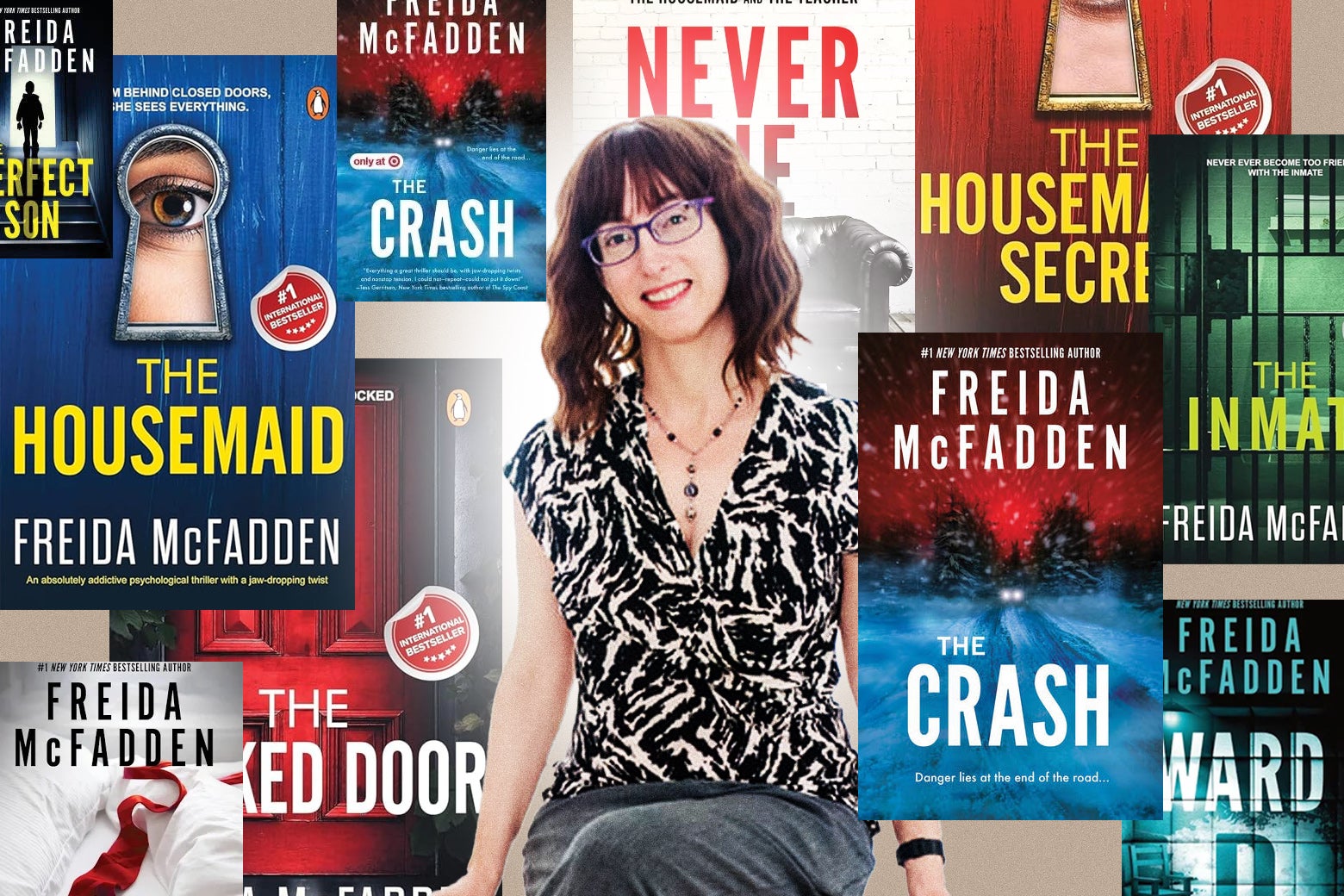
Freida McFadden’s latest work exemplifies how a skilled author can break the mold of cookie-cutter thrillers. Her narratives often encompass unexpected twists, nuanced characters, and a gripping exploration of psychological themes that keep readers on the edge of their seats. Here’s what sets her apart:
- Complex Characters: McFadden crafts multifaceted characters that often defy expectation. Readers are drawn into their inner struggles, making them relatable and human.
- Innovative Plots: Instead of adhering to conventional plot structures, McFadden plays with time, perspective, and narrative style, creating a rich tapestry of suspense that keeps readers guessing.
- Psychological Depth: Many cookie-cutter thrillers focus solely on the action, but McFadden dives deep into her characters’ psyches, exploring their motivations, fears, and desires.
By examining her work closely, readers can identify the unique elements that elevate her thrillers above the common fare, showcasing the importance of innovation in a crowded market.
Key Elements to Differentiate Unique Thrillers
To discern truly original thrillers from cookie-cutter counterparts, readers should consider several essential elements:
1. Originality of Concept
Look for thrillers that present fresh ideas or unique perspectives on common themes. An original premise can make all the difference in how engaging a story feels. Ask yourself:
- Does the book introduce a new angle on a classic trope?
- Are the stakes high and compelling in a way that feels unique?
2. Character Development
A well-crafted character arc is crucial in distinguishing memorable thrillers. Pay attention to:
- The character’s growth throughout the story.
- How their experiences shape their decisions and relationships.
Cookie-cutter thrillers often feature static characters who serve merely as vehicles for the plot, while unique narratives invest time in character evolution.
3. Narrative Structure
The way a story is told can significantly impact its effectiveness. Unique thrillers often employ unconventional structures. Consider:
- Is the story told from multiple perspectives?
- Does it utilize flashbacks or non-linear storytelling effectively?
4. Thematic Depth
Thrillers that resonate often explore deeper themes beyond mere suspense. Look for:
- Explorations of morality, human psychology, or societal issues.
- The use of symbolism or metaphor that adds layers to the narrative.
5. Emotional Engagement
Finally, a standout thriller should evoke strong emotions. Ask yourself if the book:
- Made you feel connected to the characters’ struggles?
- Left you reflecting on the themes long after you turned the last page?
As readers navigate the landscape of today’s literature, distinguishing cookie-cutter thrillers from more original works becomes essential. While the genre may be inundated with formulaic stories, authors like Freida McFadden remind us that innovation and creativity can still thrive.
By focusing on originality, character development, narrative structure, thematic depth, and emotional engagement, readers can find thrillers that not only entertain but also provoke thought and reflection. In a world where cookie-cutter thrillers abound, seeking out those that defy expectations can lead to a richer and more satisfying reading experience. Embrace the challenge of uncovering unique narratives, and you may just discover the hidden gems that make the thriller genre so captivating.
See more CNET Live