
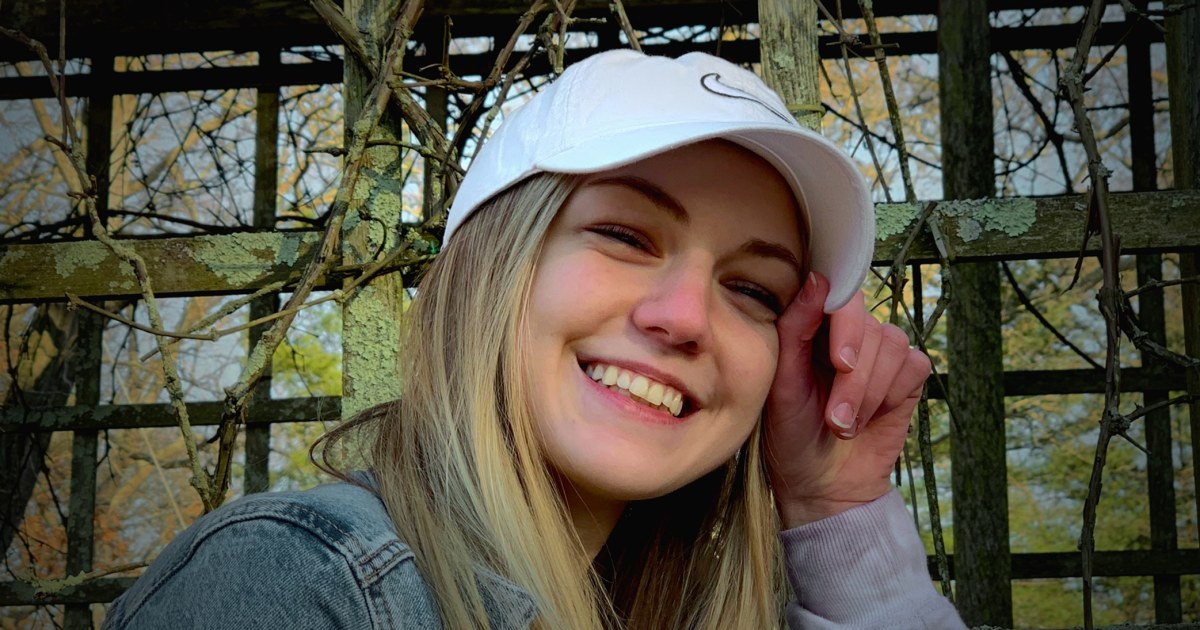
Controversy Erupts Over AI-Generated Voice in Gabby Petito Documentary
The recent release of a Netflix documentary featuring an AI-generated voice of Gabby Petito has sparked a significant controversy, igniting heated discussions about the ethics of using artificial intelligence in storytelling, particularly in sensitive narratives involving real-life victims. The documentary, which aims to shed light on the tragic events surrounding Gabby’s life and untimely death, has been met with backlash from viewers who argue that the use of AI to recreate her voice for dramatic effect crosses a moral line in honoring her legacy.
The Backstory: Who Was Gabby Petito?
Gabby Petito, a 22-year-old travel blogger, captured the hearts of many with her vibrant personality and adventurous spirit. Her life, however, took a tragic turn in 2021 when she went missing while on a cross-country trip with her fiancé, Brian Laundrie. The subsequent investigation into her disappearance and the discovery of her remains led to widespread media coverage, sparking a national conversation about domestic violence and missing persons cases. Gabby’s story resonated with millions, leading to a significant outpouring of grief and support from the public.
The Role of AI in Documentaries
Artificial intelligence has made remarkable strides in recent years, particularly in fields like voice synthesis and deepfake technology. These advancements have opened up new possibilities for storytelling, allowing creators to reconstruct voices and even simulate the appearance of individuals who are no longer with us. In the case of the Gabby Petito documentary, the decision to use an AI-generated voice raises essential ethical questions about the appropriateness of such technology in narratives involving real victims.
Critics Speak Out: Ethical Concerns
Critics of the documentary argue that the use of an AI-generated voice is not only disrespectful but also detracts from the gravity of Gabby’s story. Many believe that recreating her voice, even for illustrative purposes, risks commodifying her tragedy. Viewers have expressed concerns that this approach may sensationalize her story rather than honor her memory. Some of the primary points raised by critics include:
- Disrespecting the Victim’s Legacy: Many feel that using AI to recreate Gabby’s voice undermines her individuality and the personal nature of her story.
- Potential for Misrepresentation: AI-generated voices can be misleading, potentially altering the perception of the victim’s character and experiences.
- Commercialization of Tragedy: The financial gain from such documentaries raises questions about the ethical implications of profiting from someone else’s suffering.
Support for AI in Storytelling
On the other hand, some supporters argue that AI can provide a compelling way to engage audiences and convey emotions effectively. They suggest that technology, when used responsibly, can enhance storytelling by bringing to life the voices of those who can no longer speak for themselves. Proponents of AI in documentaries emphasize the following points:
- Innovative Storytelling: AI can create immersive experiences that captivate viewers, potentially leading to greater awareness of important social issues.
- Preserving Voices: In some cases, AI-generated voices can serve as a means of remembering individuals, keeping their stories alive in a new format.
- Educational Potential: Documentaries that explore complex issues through the lens of technology can foster discussions about ethics, responsibility, and innovation.
The Impact on Viewers and Society
The controversy surrounding the AI-generated voice in the Gabby Petito documentary raises broader questions about how society engages with sensitive narratives. As technology continues to evolve, filmmakers and content creators must navigate the delicate balance between innovation and respect for the individuals whose stories they tell. The backlash from viewers serves as a reminder that audiences are increasingly aware of ethical considerations in media representation.
This debate is not limited to the realm of true crime documentaries. It extends to various forms of media, including films, podcasts, and even social media platforms. As audiences become more discerning, creators are challenged to reflect on their motivations and the potential impact of their work. The Gabby Petito documentary, while aiming to honor her memory, inadvertently highlights the need for a more profound ethical framework surrounding the use of technology in storytelling.
Moving Forward: A Call for Ethical Guidelines
In light of the controversy, there is a growing call for the establishment of ethical guidelines regarding the use of AI in documentary filmmaking and storytelling. These guidelines could help ensure that the dignity of victims is preserved while allowing creators to innovate responsibly. Some potential considerations for these guidelines include:
- Informed Consent: Whenever possible, creators should seek consent from the families or representatives of individuals whose voices or likenesses are being recreated.
- Transparency: Documentaries should clearly disclose the use of AI-generated content, allowing viewers to understand the extent of its application.
- Focus on Respectful Representation: The priority should be to honor the legacy of individuals, avoiding sensationalism and maintaining the integrity of their stories.
Conclusion: A Complex Yet Important Discussion
The controversy erupting over the AI-generated voice in the Gabby Petito documentary is more than just a disagreement about technology; it’s a complex conversation about ethics, representation, and the responsibility that comes with storytelling. As viewers, we have the power to voice our opinions and influence the direction of media representation, urging creators to approach sensitive narratives with the care and respect they deserve.
Ultimately, this debate underscores the need for a thoughtful examination of how we tell stories, especially those involving real lives and tragic events. As we navigate this new era of technology, it’s essential to remain vigilant about preserving the humanity and dignity of the individuals whose stories we share. In doing so, we can honor their memories while fostering a more ethical media landscape.
See more CNET Live