
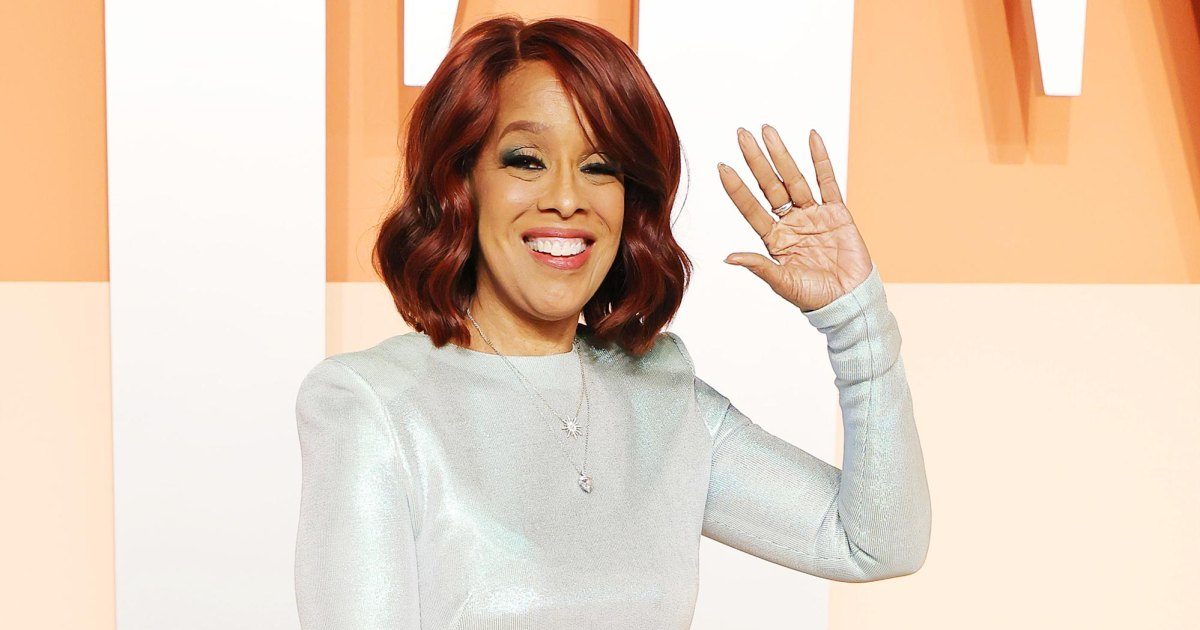
Gayle King’s Live TV Misstep: The Moment That Sparked Controversy
During a live broadcast on CBS Mornings, veteran journalist Gayle King inadvertently quoted a homophobic slur while recounting a guest’s joke, triggering immediate backlash. The incident occurred on October 12, 2023, as King discussed a lighthearted segment, unaware of the offensive nature of the term. Critics argue the slip highlights the need for heightened sensitivity among public figures, while supporters emphasize the challenge of real-time broadcasting.
The Incident and Immediate Fallout
King, a seasoned anchor known for her polished delivery, stumbled while paraphrasing a comedian’s anecdote. Though she did not direct the slur at anyone, its utterance sparked swift condemnation on social media. Within hours, #GayleKing trended on Twitter, with users debating whether the moment warranted accountability or forgiveness. CBS issued a statement acknowledging the error, noting King’s “regret” and commitment to “learning from the incident.”
Media analysts point to the broader context of such missteps. A 2022 study by the Pew Research Center found that 67% of Americans believe public figures should be held to higher standards for language use, given their influence. Dr. Elena Martinez, a sociolinguistics expert at Columbia University, explains: “Live TV is unforgiving, but audiences increasingly expect accountability. Even unintentional slurs perpetuate harm, especially toward marginalized communities.”
Public Reaction: Divided Perspectives
Reactions split along generational and ideological lines. Older viewers often dismissed the incident as an honest mistake, while younger audiences, particularly LGBTQ+ advocates, called for a formal apology. GLAAD reported a 40% increase in social media mentions linking King’s name to anti-gay rhetoric in the 24 hours following the broadcast.
- Supportive View: “Gayle’s track record speaks for itself. This was a slip, not malice,” argued commentator James Williams on CNN.
- Critical View: “Words matter. CBS must address this beyond a vague statement,” tweeted activist Jordan Lee.
The Broader Debate: Language and Accountability
King’s misstep reignites conversations about media responsibility. A 2023 report by the Media Diversity Institute revealed that 58% of journalists admit to self-censoring over fear of public backlash, yet 72% also believe inclusivity training reduces on-air errors. King, who underwent such training in 2020, later emphasized her dedication to “doing better.”
Conservative outlets framed the incident as “cancel culture overreach,” while progressive groups highlighted systemic issues. “This isn’t about one person—it’s about how media shapes societal norms,” said Rachel Nguyen of the Anti-Defamation League.
Next Steps: Damage Control and Moving Forward
CBS has not confirmed whether King will face disciplinary action, but insiders suggest she may host a segment on LGBTQ+ allyship. Meanwhile, advocacy groups urge networks to implement stricter review processes for live content. As audiences demand both authenticity and accountability, the incident serves as a cautionary tale for public figures navigating the tightrope of unscripted moments.
For those seeking to engage constructively, GLAAD offers resources on inclusive language here. The path forward hinges on education, not just retribution—a lesson the media industry continues to learn in real time.
See more CNET Live