
Behind the Scenes of ‘A Letter to David’: Shoval and Spielberg on Gaza’s Untold Stories
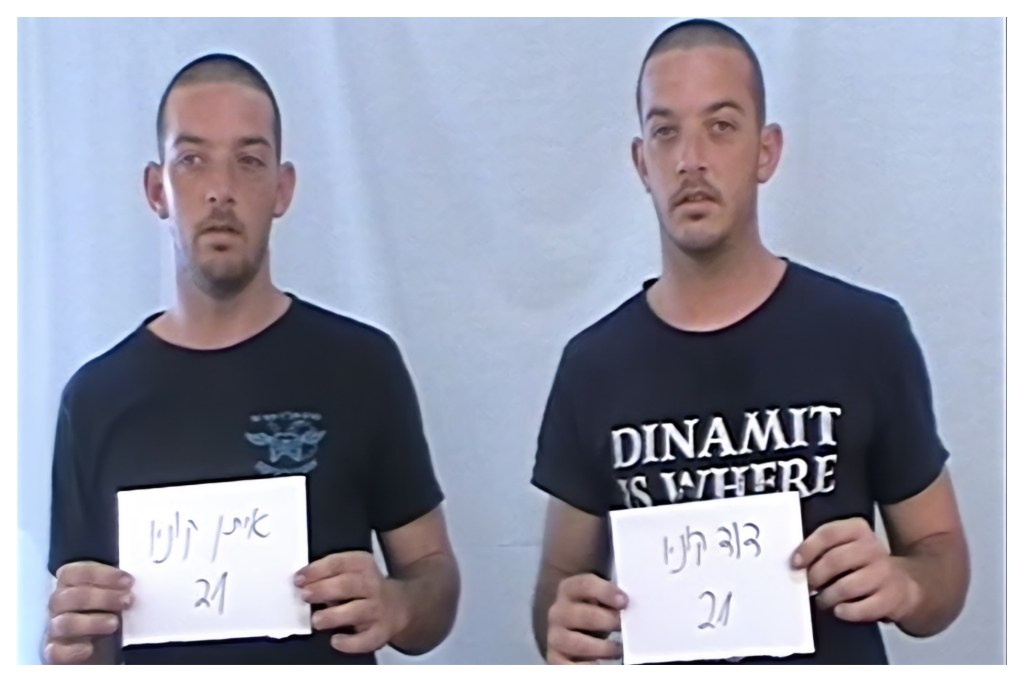
In a world increasingly defined by conflict and polarization, storytelling has emerged as a powerful tool for empathy and understanding. This sentiment is the driving force behind the poignant new film, ‘A Letter to David’, directed by Tom Shoval and produced by Nancy Spielberg. The film tackles the complex narratives surrounding hostages in Gaza, delving into the human experiences often overshadowed by political discourse. In an exclusive interview, Shoval and Spielberg share their insights on the film and the significance of its world premiere at the Berlinale Film Festival.
Unveiling Untold Stories
‘A Letter to David’ stands out as a cinematic exploration of the emotional and psychological toll of conflict. The film is inspired by real events and seeks to humanize the stories of those caught in the crossfire, particularly the hostages in Gaza. Shoval emphasizes the importance of presenting these narratives, stating, “Every individual has a story worth telling. Our goal is to shine a light on those who are often forgotten in the broader discourse.” This narrative approach allows viewers to connect with the characters on a deeper level, fostering empathy and understanding.
The film’s title, ‘A Letter to David’, symbolizes a personal connection between the protagonist and the audience. It is both a tribute to the real-life stories of individuals affected by the conflict and a call to action for viewers to engage with the realities of their situations. Spielberg notes, “We wanted to create a film that doesn’t just present facts but evokes emotions and prompts conversations about the human experience in conflict zones.”
The Creative Process: Collaboration and Challenges
Bringing ‘A Letter to David’ to life was no small feat. The collaboration between Shoval and Spielberg exemplifies a shared vision of storytelling that transcends borders. While Shoval’s expertise lies in directing, Spielberg’s background in producing and her commitment to social justice issues have shaped the film’s narrative direction.
“The creative process was intense,” Shoval recalls. “We faced numerous challenges, from securing funding to navigating the sensitive landscapes of the stories we wanted to tell. But through it all, Nancy and I remained focused on our mission: to tell the truth as we saw it.”
One of the film’s unique aspects is its ability to blend personal stories with broader socio-political themes. The filmmakers conducted extensive research and interviews with individuals who have experienced the conflict firsthand. This meticulous approach lends authenticity to the narrative and ensures that the voices of those affected are heard.
The Role of Film Festivals: Berlinale as a Platform
Film festivals play a crucial role in the distribution and reception of films, especially those that tackle sensitive subjects. For ‘A Letter to David’, the Berlinale Film Festival provides an ideal platform for its world premiere. As one of the most prestigious film festivals globally, Berlinale attracts a diverse audience, including industry professionals, critics, and film enthusiasts.
“Berlinale is not just a film festival; it’s a space for dialogue,” Spielberg explains. “The festival’s commitment to showcasing films that address social issues aligns perfectly with our vision for ‘A Letter to David’. We hope to engage audiences in meaningful discussions about the narratives we present.”
The festival’s reputation for promoting films with a social conscience will help elevate the film’s message, reaching viewers who are eager to engage with stories that challenge their perceptions. Shoval and Spielberg aim to spark conversations about the complexities of the Israeli-Palestinian conflict and the human experiences that are often lost in the political rhetoric.
Impact and Reception
As ‘A Letter to David’ makes its debut, both filmmakers are keenly aware of the film’s potential impact. They hope it will not only resonate with audiences but also inspire a broader understanding of the humanitarian crises unfolding in conflict zones. Shoval mentions, “Our ultimate goal is to foster empathy and awareness. We want people to walk away from the film with a sense of responsibility to engage with these issues.”
Initial screenings have generated positive feedback, with audiences praising the film’s emotional depth and authenticity. Critics have noted its ability to humanize a complex and often contentious subject, making it accessible to a wider audience. Spielberg adds, “Hearing audience reactions has been incredibly rewarding. It validates our efforts and reinforces the importance of our message.”
The landscape of conflict is fraught with challenges, but film can serve as a bridge to understanding. ‘A Letter to David’ is a testament to the power of storytelling in illuminating the human experience amidst adversity. The film challenges viewers to confront their biases and engage with stories that may be outside their immediate experience.
As Shoval and Spielberg continue their journey with the film, they are committed to ensuring that the stories of those affected by conflict are not forgotten. “Every story has the power to change perspectives,” Shoval asserts. “Through film, we can create a dialogue that transcends borders and fosters understanding.”
The Future of Storytelling in Conflict Zones
The success of ‘A Letter to David’ could pave the way for more films that tackle the nuances of life in conflict zones. As filmmakers like Shoval and Spielberg push the boundaries of traditional storytelling, there is hope for a new wave of cinema that prioritizes human experiences over political narratives.
In conclusion, ‘A Letter to David’ is not just a film; it is a call to action. Through their collaboration, Tom Shoval and Nancy Spielberg have crafted a narrative that seeks to illuminate the complex realities of hostages in Gaza, encouraging audiences to engage with these untold stories. As it premieres at the Berlinale Film Festival, the film stands poised to make waves and inspire conversations that extend beyond the screen.
In a world that often feels divided, films like ‘A Letter to David’ remind us of our shared humanity and the power of storytelling to bridge gaps and foster understanding.
See more CNET Live