
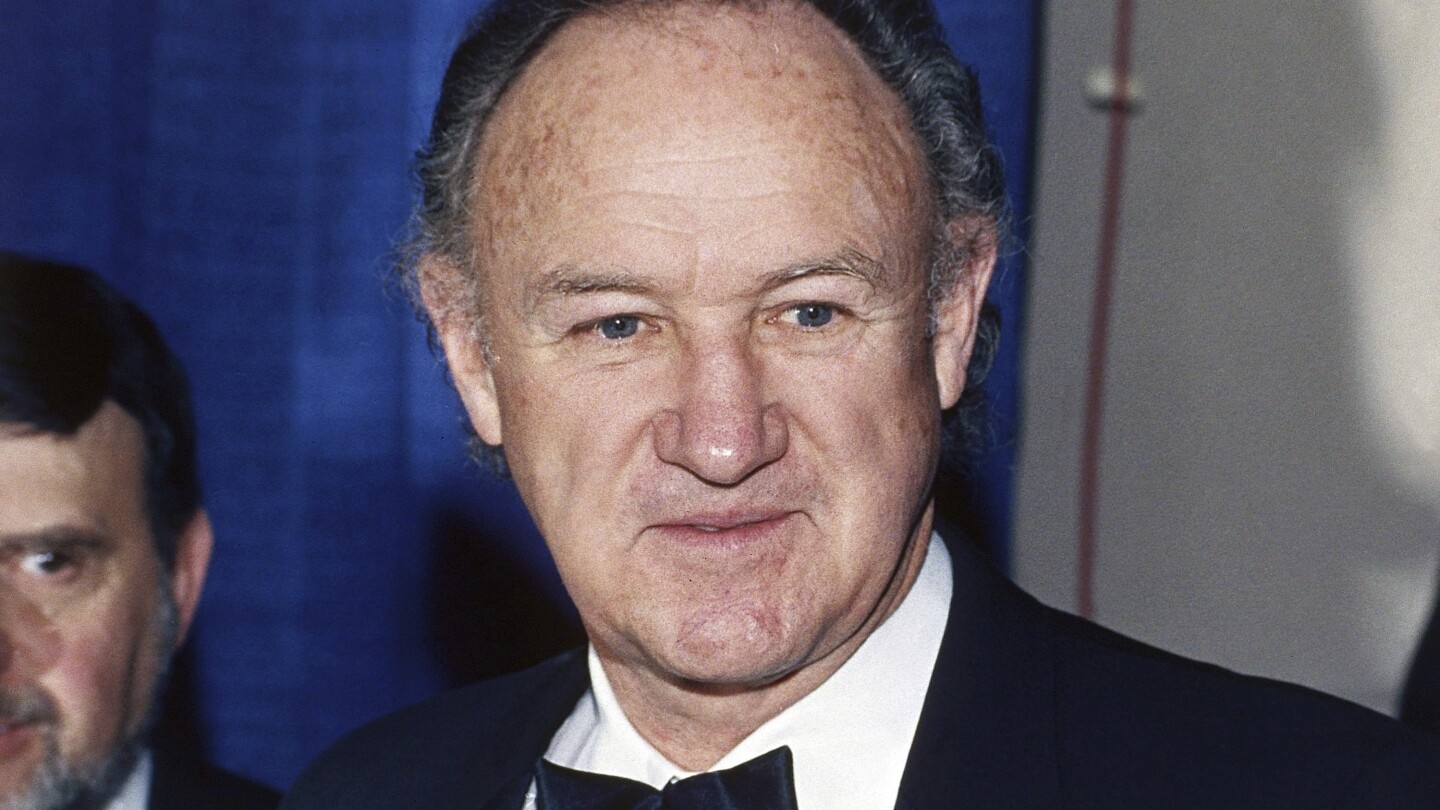
Remembering Gene Hackman: A Legacy of Cinematic Mastery at 95
The film industry mourns the loss of Gene Hackman, a prolific Oscar-winning actor whose remarkable performances have left an indelible mark on cinema. As we reflect on his life and career, we celebrate the profound impact he had on storytelling and the art of acting. Hackman’s journey from humble beginnings to becoming one of the most respected figures in the entertainment world showcases not only his talent but also his dedication to the craft.
A Glimpse into Gene Hackman’s Early Life
Born on January 30, 1930, in San Bernardino, California, Gene Hackman was the second of nine children in a modest family. His upbringing was characterized by financial struggles, which instilled in him a unique perspective on life and resilience. After serving in the U.S. Marine Corps during the Korean War, Hackman returned to civilian life and pursued his passion for acting. He studied at the Pasadena Playhouse and later moved to New York City to immerse himself in the vibrant theater scene.
From Stage to Screen
Hackman’s transition from stage to screen marked the beginning of a remarkable career. He made his film debut in 1961 but truly gained recognition in the late 1960s and early 1970s. His breakthrough role came in 1967 with the film “The Graduate,” where he played a supporting character to Dustin Hoffman. However, it was his leading role in “The French Connection” (1971) that catapulted him to stardom and earned him an Academy Award for Best Actor.
Defining Moments in Hackman’s Career
Gene Hackman’s filmography is a testament to his versatility as an actor. Throughout the 1970s and 1980s, he starred in a series of critically acclaimed films that showcased his extraordinary range. Some of his most notable performances include:
- The French Connection (1971) – as Detective Jimmy “Popeye” Doyle, Hackman delivered a gritty performance that has become iconic.
- Unforgiven (1992) – in this Western classic directed by Clint Eastwood, Hackman portrayed the ruthless Sheriff Little Bill Daggett, winning his second Academy Award.
- Mississippi Burning (1988) – Hackman’s role as FBI agent Rupert Anderson showcased his ability to tackle complex social issues.
- Hoosiers (1986) – as a troubled basketball coach, Hackman revealed his talent for portraying deeply human characters.
These roles exemplify the depth and nuance Hackman brought to each character, regardless of the genre. His ability to convey authenticity and vulnerability made him a beloved figure in Hollywood.
A Master of Characterization
What set Gene Hackman apart from his contemporaries was his commitment to understanding the characters he portrayed. He often immersed himself in the roles, researching backgrounds and motivations to deliver performances that were both engaging and believable. Hackman once stated, “I always try to find something in the character that I can relate to.” This philosophy enabled him to connect with audiences on a profound level.
The Impact of Gene Hackman on Modern Cinema
The legacy of Gene Hackman extends beyond his impressive filmography. He influenced a generation of actors and filmmakers who admired his dedication and craft. His work has inspired countless performances and films, pushing the boundaries of storytelling in cinema. Directors such as Francis Ford Coppola and Clint Eastwood have often cited Hackman as a major influence in their own careers.
Continuing to Inspire
Even after retiring from acting in 2004, Hackman’s impact on the film industry remains significant. He has inspired young actors to pursue authenticity in their performances and has set a standard for excellence that many strive to achieve. In interviews, he has always emphasized the importance of the story and the need for actors to serve the narrative rather than their egos.
Personal Life and Interests
Outside of his illustrious acting career, Gene Hackman is known for his love of literature and writing. He authored several novels, showcasing his talent in storytelling beyond the silver screen. His books often reflect his deep understanding of human nature, much like his film roles.
Hackman has also been an avid supporter of various charitable causes, particularly those related to education and the arts. His commitment to giving back to the community further cements his legacy as not just an actor, but a compassionate individual who values the importance of nurturing future generations.
Remembering Gene Hackman
As we remember Gene Hackman at 95, we celebrate not only the actor but the man behind the roles. His contributions to cinema are immeasurable, and his performances will continue to resonate with audiences for generations to come. The film industry has lost a giant, but his legacy will undoubtedly live on through his remarkable body of work.
Conclusion: A Lasting Legacy
Gene Hackman’s legacy is one of cinematic mastery that transcends time. His artistry and dedication to the craft have inspired countless individuals in the film industry and beyond. As we reflect on his remarkable life, we honor his contributions and the unforgettable characters he brought to life on screen. The world of cinema is a richer place for having had Gene Hackman, and he will be remembered as one of the true greats of our time.
In celebrating his life, we encourage new generations to explore his films, appreciate the art of acting, and understand the profound impact storytelling can have on our lives. Gene Hackman’s story is not just about the characters he played; it’s about the human experience and the power of narrative to connect us all.
See more CNET Live