
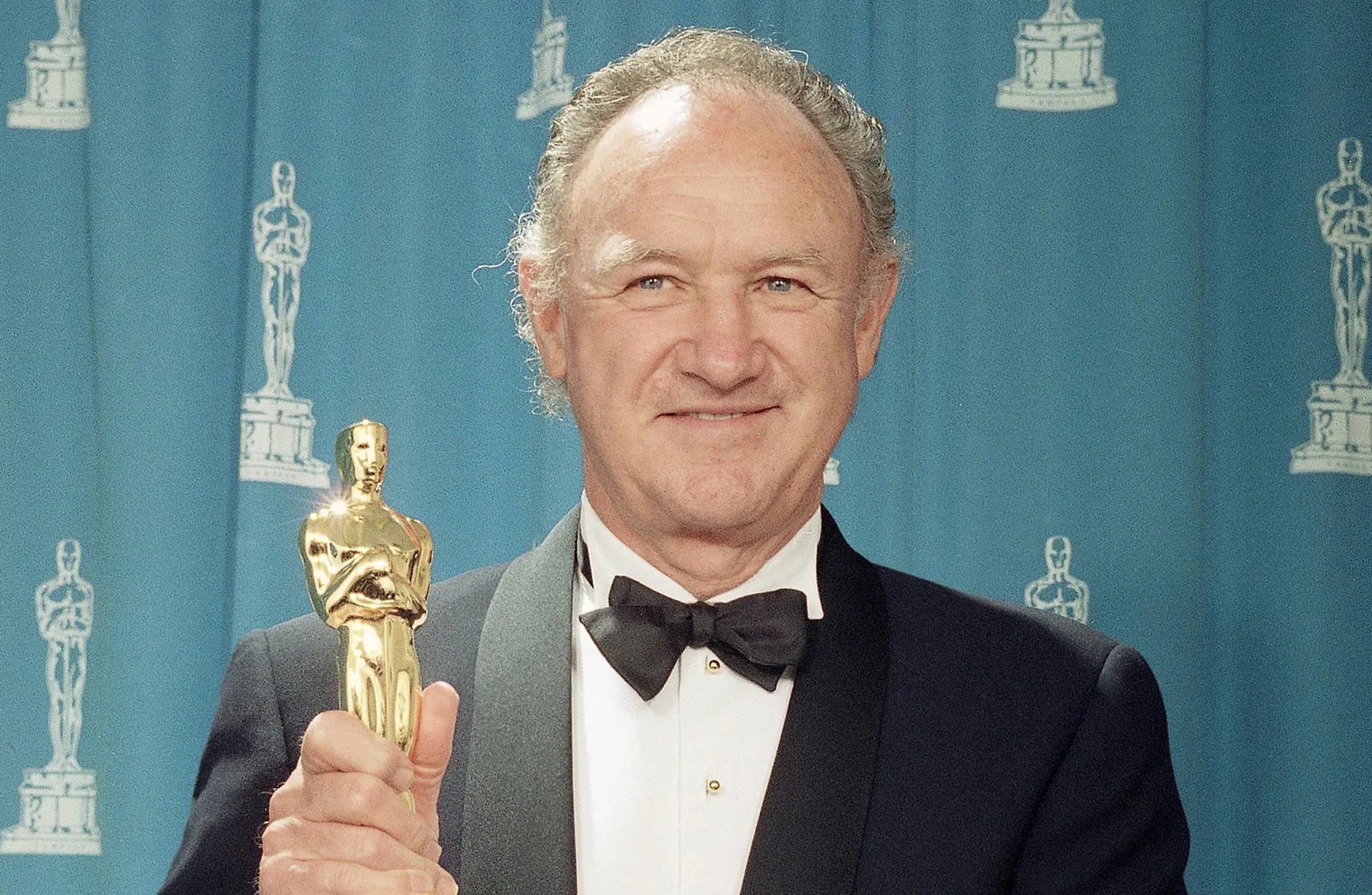
Unforgettable Performances: Gene Hackman’s Top Five Roles That Defined Hollywood
Gene Hackman is a name that resonates with film aficionados and casual moviegoers alike. With a career spanning over five decades, Hackman has delivered a series of unforgettable performances that not only defined his career but also left a lasting imprint on Hollywood. From gritty dramas to light-hearted comedies, his versatility as an actor is nothing short of extraordinary. In this article, we will explore five of his most iconic roles and how they shaped his legacy in the film industry.
The Gritty Streets of ‘The French Connection’
One of Hackman’s most defining performances came in the 1971 classic, The French Connection, directed by William Friedkin. In this film, he portrays Detective Jimmy “Popeye” Doyle, a tough New York City cop determined to take down a drug smuggling operation. Hackman’s portrayal of Doyle is raw and unfiltered, showcasing the character’s relentless pursuit of justice.
Hackman’s performance earned him an Academy Award for Best Actor, and the film itself became a cultural touchstone, noted for its realistic depiction of crime and police work. The iconic car chase scene, considered one of the greatest in cinema history, is a testament to Hackman’s commitment to authenticity. His ability to embody the character’s flaws and strengths made Doyle a memorable figure, influencing countless portrayals of law enforcement in film and television.
Superman Soars with Lex Luthor
In a striking contrast to his gritty role in The French Connection, Hackman took on the role of Lex Luthor in the 1978 blockbuster Superman. Here, he showcased his comedic timing and charisma as the iconic villain. Hackman’s Lex Luthor is not just a diabolical mastermind; he is also charming and witty, making him a standout character in the superhero genre.
This role solidified Hackman’s versatility as an actor. His performance was crucial in shaping the portrayal of comic book villains, paving the way for future characters in superhero films. Beyond his memorable lines and antics, Hackman’s Luthor also brought a sense of gravitas to the film, balancing humor with menace. The success of Superman contributed significantly to the resurgence of the superhero genre in cinema.
Mastering the Art of Suspense in ‘The Conversation’
In 1974, Hackman took on the role of Harry Caul in The Conversation, directed by Francis Ford Coppola. This psychological thriller delves into themes of privacy and paranoia, with Hackman’s character being a surveillance expert who becomes entangled in a web of intrigue. His portrayal of Caul is haunting and nuanced, reflecting the character’s internal struggles and moral dilemmas.
Hackman’s performance in The Conversation is often regarded as one of his best. The film was a critical success and showcased Hackman’s ability to convey deep emotional complexity. His work in this film earned him a nomination for the Academy Award, adding another layer to his impressive career. It also highlighted the importance of sound and silence in storytelling, marking it as a pivotal work in the history of cinema.
Bringing Humanity to ‘Unforgiven’
In 1992, Hackman starred alongside Clint Eastwood in the Western epic Unforgiven. He played the role of Little Bill Daggett, a ruthless sheriff who enforces his own version of justice. Hackman’s performance is multifaceted; he exudes authority while also displaying vulnerability, challenging the traditional archetype of the Western antagonist.
His portrayal earned him an Academy Award for Best Supporting Actor and contributed to the film’s critical acclaim. Hackman’s ability to bring depth to Little Bill transformed the character into a memorable figure in Western cinema, demonstrating that even antagonists can possess layers of complexity. Unforgiven is often cited as one of the greatest films of all time, and Hackman’s role was integral to its success.
A Touch of Humor in ‘The Royal Tenenbaums’
Gene Hackman’s career is not solely defined by dramatic roles; his performance in Wes Anderson’s The Royal Tenenbaums (2001) showcases his comedic talent. Playing the estranged father, Royal Tenenbaum, Hackman delivers a performance filled with both humor and pathos. The character’s eccentricities and flawed nature resonate with audiences, making him both unlikable and relatable.
Hackman’s ability to balance comedy with deeper emotional themes is a hallmark of his acting style. His performance revitalized interest in ensemble casts and quirky storytelling within independent cinema. The film has since become a cult classic, and Hackman’s role remains a standout, illustrating his capacity to adapt to different genres and styles.
Legacy and Impact of Gene Hackman’s Unforgettable Performances
Gene Hackman’s unforgettable performances have not only defined his career but have also left an indelible mark on Hollywood. His ability to inhabit diverse characters—from a tough cop to a charming villain—showcases his exceptional range and talent. Here are a few key aspects of Hackman’s legacy:
- Versatility: Hackman effortlessly transitions between genres, proving his prowess as an actor capable of tackling both drama and comedy.
- Influence: Many actors cite Hackman as an inspiration, paving the way for future generations to approach roles with depth and authenticity.
- Cinematic Innovation: His work in films like The Conversation has influenced the way stories are told in cinema, emphasizing character-driven narratives over spectacle.
- Cultural Impact: Roles like Lex Luthor have become iconic, shaping the portrayal of villains in the superhero genre and solidifying Hackman’s place in pop culture history.
In conclusion, Gene Hackman’s top five roles demonstrate his remarkable talent and dedication to his craft. From the gritty realism of The French Connection to the whimsical charm of The Royal Tenenbaums, Hackman’s performances are unforgettable and continue to resonate with audiences today. His legacy is not just one of accolades and awards; it is a testament to the power of storytelling and the profound impact that a single actor can have on the film industry.
See more CNET Live