
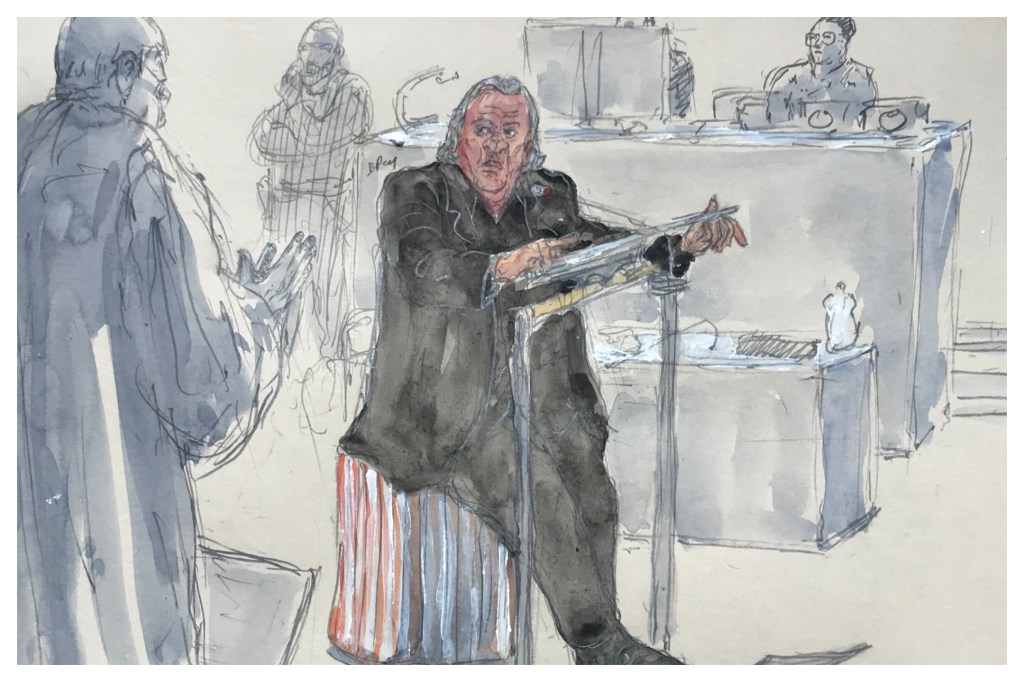
Gérard Depardieu Defends Himself in Controversial Trial: An Overview of the Allegations
In a high-profile trial taking place in Paris, renowned French actor Gérard Depardieu is confronting serious allegations of sexual assault. At 76 years old, Depardieu finds himself at the center of a media storm as he defends his actions amid claims that have sent ripples through both the film industry and wider society. This article delves into the complexities of the case, exploring Depardieu’s responses, the societal implications of his statements, and the broader discourse surrounding accountability and celebrity culture.
The Allegations Against Gérard Depardieu
Gérard Depardieu’s legal troubles began when an actress accused him of assaulting her in August 2018. The allegations were made public in 2020, leading to a criminal investigation and subsequent trial. The accusations include claims of rape and sexual assault, which Depardieu vehemently denies. His defense hinges on his assertion that the encounter was consensual, a claim that raises questions about consent and power dynamics in the entertainment industry.
As the trial unfolds, the media has focused not only on the accusations but also on Depardieu’s public persona. Known for his larger-than-life roles and controversial statements, the actor has often found himself in the spotlight, both for his cinematic achievements and his polarizing views on various social issues.
Depardieu’s Reaction: A Defiance of Feminist Critiques
During the trial, Gérard Depardieu has made headlines with his outspoken remarks, particularly regarding feminist movements and critiques of male behavior. He has expressed disdain for what he perceives as a “witch hunt” against men in the wake of the #MeToo movement, suggesting that the movement has unfairly tarnished the reputations of many individuals without due process.
This defiance has sparked significant backlash, prompting discussions about the responsibilities of public figures when addressing serious allegations. Critics argue that his statements reflect a lack of accountability and an unwillingness to engage with the complexities of modern gender dynamics.
The Intersection of Celebrity, Accountability, and Societal Change
Depardieu’s trial is emblematic of a broader cultural shift, where the actions of celebrities are under increased scrutiny. The #MeToo movement has changed the landscape of how society views sexual misconduct, pushing conversations about consent, power, and privilege to the forefront.
- Public Accountability: There is a growing expectation for public figures to be held accountable for their actions. This trial could serve as a pivotal moment in determining how society responds to allegations of sexual misconduct among celebrities.
- The Role of Media: Media coverage of the trial has amplified the discourse surrounding the allegations, influencing public perception. The way stories are reported can shape narratives and impact the reputations of those involved.
- Shifting Perspectives: As societal attitudes evolve, so too do the expectations placed upon individuals. Celebrities like Depardieu are navigating a landscape where traditional norms are challenged, leading to friction between personal beliefs and societal expectations.
Public and Legal Reactions to the Trial
The trial has not only captured the attention of the media but also sparked public debate. Many viewers have taken to social media to express their opinions on the case, with reactions ranging from support for the accuser to staunch defense of Depardieu. This dichotomy illustrates the complexities involved in high-profile cases where the stakes are incredibly high.
Legal experts have weighed in on the implications of the trial as well. Some argue that the outcome could set a precedent for how similar cases are handled in the future, while others caution against the dangers of a polarized public opinion influencing judicial outcomes.
Understanding Consent: A Critical Conversation
At the heart of the Depardieu case lies the crucial issue of consent. The actor’s claims of a consensual encounter challenge the narrative presented by the accuser. This brings forth a vital discussion about what consent truly means and how it is communicated between individuals.
Many experts agree that consent must be clear, coherent, willing, and ongoing. However, the complexities of human relationships can often blur these lines, leading to misunderstandings and disputes over what constitutes consent in specific situations. This trial serves as a reminder of the importance of educating society about consent and healthy relationships.
Conclusion: The Future of Celebrity and Accountability
As Gérard Depardieu defends himself in this controversial trial, the implications of the case extend far beyond his personal circumstances. It encapsulates the ongoing struggle between celebrity culture and societal accountability, raising essential questions about the treatment of sexual assault allegations and the responsibilities that come with fame.
While Depardieu’s bold statements may resonate with some, they also highlight the deep divisions that exist in society regarding issues of gender, power, and accountability. As the trial continues, it will undoubtedly provoke further discourse on these critical topics, potentially shaping the future landscape of the entertainment industry and beyond.
In navigating these turbulent waters, society must strive for a balance between protecting the rights of individuals while ensuring that justice prevails. The outcome of this trial, and the conversations it sparks, will be pivotal in determining how we collectively approach issues of sexual misconduct in the years to come.
See more CNET Live