
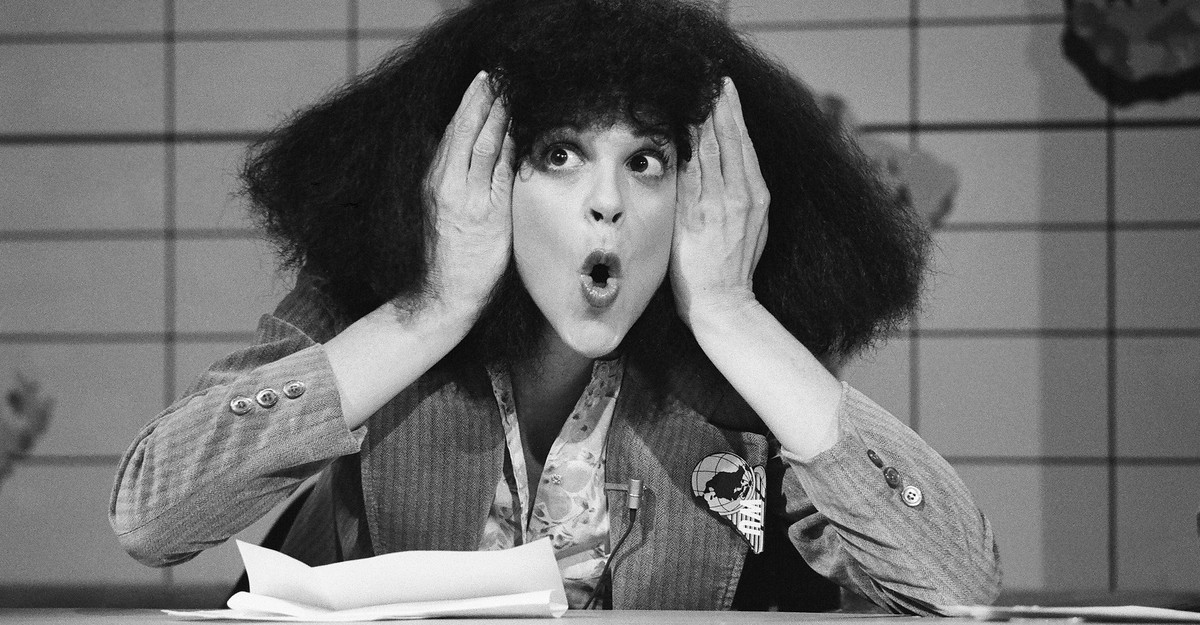
Remembering Gilda: A Legacy of Laughter and Resilience
Gilda Radner remains a shining beacon in the world of comedy, her legacy of laughter and resilience echoing through generations. As a pioneer of female comedians, she transformed the landscape of comedy with her unique style, relatable characters, and profound impact on mental health advocacy. This article delves into Gilda’s life, her contributions to comedy, and how her spirit continues to inspire individuals grappling with both the joys and challenges of life.
Early Life and Rise to Fame
Born on June 28, 1946, in Detroit, Michigan, Gilda Radner grew up in a close-knit Jewish family. Her father, a successful businessman, and her mother, a homemaker, encouraged her creativity from a young age. Radner’s journey into comedy began in high school, where she participated in theater and developed a passion for performance. After studying at the University of Michigan, she moved to Toronto to join the improvisational group Second City, where her comedic talents flourished.
In 1975, Gilda Radner became a household name when she joined the cast of NBC’s groundbreaking show, Saturday Night Live (SNL). As one of the original cast members, she created unforgettable characters such as Roseanne Roseannadanna and Baba Wawa. Her ability to blend humor with heart made her performances resonate with audiences. Radner’s fearless approach to comedy not only entertained but also challenged societal norms, paving the way for future female comedians.
Laughter as a Healing Tool
While Gilda Radner’s comedic genius brought joy to millions, her journey was not without personal struggles. In 1986, she was diagnosed with ovarian cancer, a life-altering event that transformed her perspective on life and health. Rather than retreating from the spotlight, Radner used her platform to raise awareness about cancer and mental health, sharing her experiences with honesty and humor.
In her memoir, It’s Always Something, published posthumously in 1989, Radner candidly discussed her battle with cancer and the emotional toll it took on her. This book not only provided an intimate look into her life but also served as a source of comfort for others facing similar challenges. Gilda’s ability to find humor in her struggles provided a vital reminder that laughter can be a powerful tool in managing adversity.
Gilda’s Club: A Lasting Impact on Mental Health Advocacy
In 1991, shortly after Gilda’s passing, her husband, comedian Gene Wilder, and her friends established Gilda’s Club in her honor. This non-profit organization aims to provide support for individuals and families affected by cancer. The clubs offer a safe space for members to connect, share their experiences, and engage in creative expression, all while fostering a sense of community.
Gilda’s Club operates in multiple locations across the United States and Canada, providing resources such as support groups, workshops, and social events. The organization’s mission echoes Radner’s philosophy that no one should face cancer alone. By creating an inclusive environment, Gilda’s Club continues to uphold Radner’s legacy of resilience and hope.
The Enduring Influence of Gilda Radner
Decades after her passing, Gilda Radner’s influence on comedy and mental health advocacy remains profound. Comedians such as Amy Poehler, Tina Fey, and Kristen Wiig have cited Radner as an inspiration, crediting her for breaking barriers and paving the way for women in comedy. Her characters continue to be celebrated, and her sketches are still referenced in modern comedic performances.
Moreover, Gilda’s candid discussions about her mental health struggles have contributed to a broader conversation about mental wellness in the entertainment industry. Today, discussions about mental health have become more open, reducing stigma and encouraging individuals to seek help. As comedians and public figures increasingly share their own battles with mental health, Radner’s legacy serves as a guiding light, reminding us that it’s okay to seek support and that laughter can be an essential part of healing.
Remembering Gilda: A Source of Inspiration
Gilda Radner’s life was a testament to the strength of the human spirit. Her ability to find humor in life’s challenges resonates with those who face their own struggles. In a world that often feels heavy, Radner reminds us of the importance of laughter as a means of coping and connecting with others.
- **Empathy:** Gilda’s openness about her health challenges fosters empathy and understanding among those who may be suffering in silence.
- **Community:** Through her legacy, Gilda’s Club encourages community support, showing that shared experiences can lead to healing.
- **Authenticity:** Radner’s authenticity in her performances encourages individuals to embrace their true selves, both in comedy and in life.
The laughter she inspired serves as a reminder that joy can coexist with pain, and resilience can emerge from adversity. Gilda’s legacy continues to inspire not just comedians but anyone facing life’s uncertainties, reminding us all that laughter is, indeed, a form of medicine.
Conclusion: Celebrating Gilda’s Legacy
As we remember Gilda Radner, we celebrate a life filled with laughter, resilience, and profound impact. Her contributions to comedy changed the landscape for women in entertainment, and her advocacy for mental health continues to resonate today. In a world where challenges abound, Gilda’s spirit encourages us to find joy in the journey, embrace our vulnerabilities, and, above all, never underestimate the power of laughter.
Ultimately, Gilda Radner’s legacy is not just about the laughter she brought to the world but also about the strength she inspired in others. Her story is a testament to the enduring power of humor and the importance of community in times of hardship. As we reflect on her life, let us carry forward her message: that even in our darkest moments, laughter can light the way.
See more CNET Live