
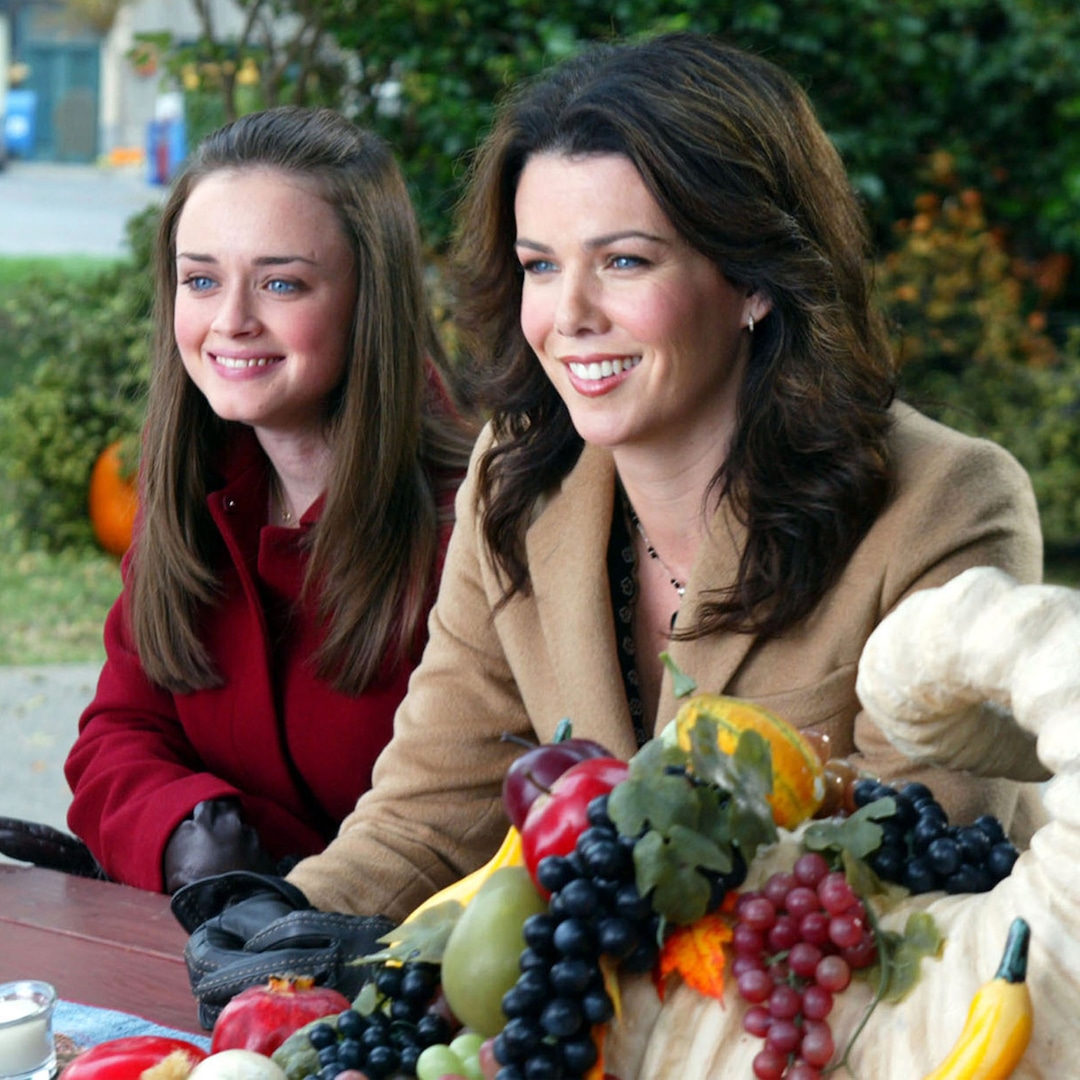
Unveiling the Hidden Financial Realities of Gilmore Girls
In the realm of television, few shows have captured the hearts of audiences quite like Gilmore Girls. The charming, fast-paced dialogue, quirky characters, and small-town charm of Stars Hollow have left an indelible mark on pop culture. Recently, Lauren Graham, who portrayed the beloved character Lorelai Gilmore, opened up about the financial aspects of her experience in the series, offering startling insights into an often-overlooked side of acting. This article delves into her revelations, exploring the hidden financial realities of Gilmore Girls and the broader implications for actors in the television industry.
Lauren Graham’s Revelations: A Candid Perspective
In a candid interview, Graham shared her experiences regarding the financial compensation she received during her time on Gilmore Girls. While many fans might assume that a leading role in a beloved series guarantees substantial paychecks, Graham’s insights reveal a more complex reality.
Graham disclosed that her initial salary was not as glamorous as one might expect. Early in the show’s run, she earned significantly less than what modern audiences might consider fair for a lead actress. This revelation sparks an important discussion about the financial negotiations and structures that govern television contracts, particularly for women in the industry.
The Evolution of Paychecks in Television
The financial landscape of television has changed dramatically over the years. When Gilmore Girls premiered in 2000, the industry was in a different place. Pay structures often reflected the cultural norms of the time, which frequently undervalued women’s contributions. Graham’s experience illustrates this trend, highlighting a gap in compensation that has been gradually addressed in more recent years.
- Low Initial Salaries: Female leads in television often start with lower salaries compared to their male counterparts. This disparity can stem from a variety of factors, including negotiation practices and historical precedents.
- Negotiation Power: As shows gain popularity, actors often have more leverage to negotiate better contracts. Graham’s subsequent negotiations for later seasons of Gilmore Girls reflected this shift.
- Changing Industry Standards: With the rise of streaming platforms and an increased focus on diversity and equity, newer shows often prioritize fair compensation for all cast members.
The Impact of Television Contracts on Actors
Graham’s revelations also shine a light on the intricacies of television contracts and their impact on actors. While many viewers might focus on the glamorous aspects of fame, the financial side can be daunting and often leads to significant stress for performers.
Contracts in television typically outline not just salaries, but also residuals, bonuses, and other financial incentives. Understanding these components is crucial for actors. Here are some key aspects:
- Base Salary: This is the upfront payment actors receive for their work. It can vary widely based on the actor’s experience and the show’s budget.
- Residuals: Actors earn residuals when episodes are re-aired or distributed on streaming platforms. This can provide a significant income boost over time, especially for successful shows.
- Merchandising and Licensing: Some contracts include clauses that allow actors to earn money from merchandise related to the show, adding another income stream.
Behind the Scenes: Financial Decisions and Long-Term Planning
For actors like Graham, understanding the financial realities of their roles is essential for long-term planning. Many performers face the challenge of fluctuating incomes, making it crucial to manage finances wisely. Graham’s journey reflects this reality, as she navigated the ups and downs of her career.
It’s also important to recognize the broader implications of financial decisions in the entertainment industry. The disparity in pay can affect not only individual actors but also the overall ecosystem of television production:
- Representation Matters: The financial realities faced by male and female actors differ greatly, emphasizing the need for equitable pay and representation in casting and production roles.
- Industry Changes: As more actors become vocal about their financial experiences, there is hope for positive changes in the industry, paving the way for fair compensation across the board.
- Empowerment through Knowledge: Actors who educate themselves about contracts and negotiate effectively can better secure their financial futures.
Looking Forward: The Future of Television Compensation
As the television landscape evolves, the financial realities for actors are also shifting. Graham’s insights serve as a reminder that the industry is still in progress, striving toward greater fairness and equity. Here are some future trends to watch:
- Increased Transparency: As audiences demand more transparency regarding pay and equity, networks may be pressured to address these issues head-on.
- Equity Initiatives: Many organizations are advocating for pay equity, ensuring that all actors, regardless of gender or background, receive fair compensation.
- Streaming Services Impact: With the rise of streaming platforms, the pay structure is evolving, potentially offering more opportunities for actors to earn from residuals and other revenue streams.
Conclusion: The Lessons Learned from Gilmore Girls
Lauren Graham’s candid revelations about the financial realities of her role in Gilmore Girls open up an important conversation about compensation in the television industry. While the show may be a nostalgic favorite for many, the financial lessons it imparts are relevant and timely.
As the industry continues to evolve, it’s crucial for actors to advocate for themselves and strive for equitable compensation. Fans of Gilmore Girls can appreciate not only the charm of Stars Hollow but also the hard truths behind the scenes. The hope is that future generations of actors will benefit from the lessons learned, leading to a more equitable and sustainable industry for all.
See more CNET Live