
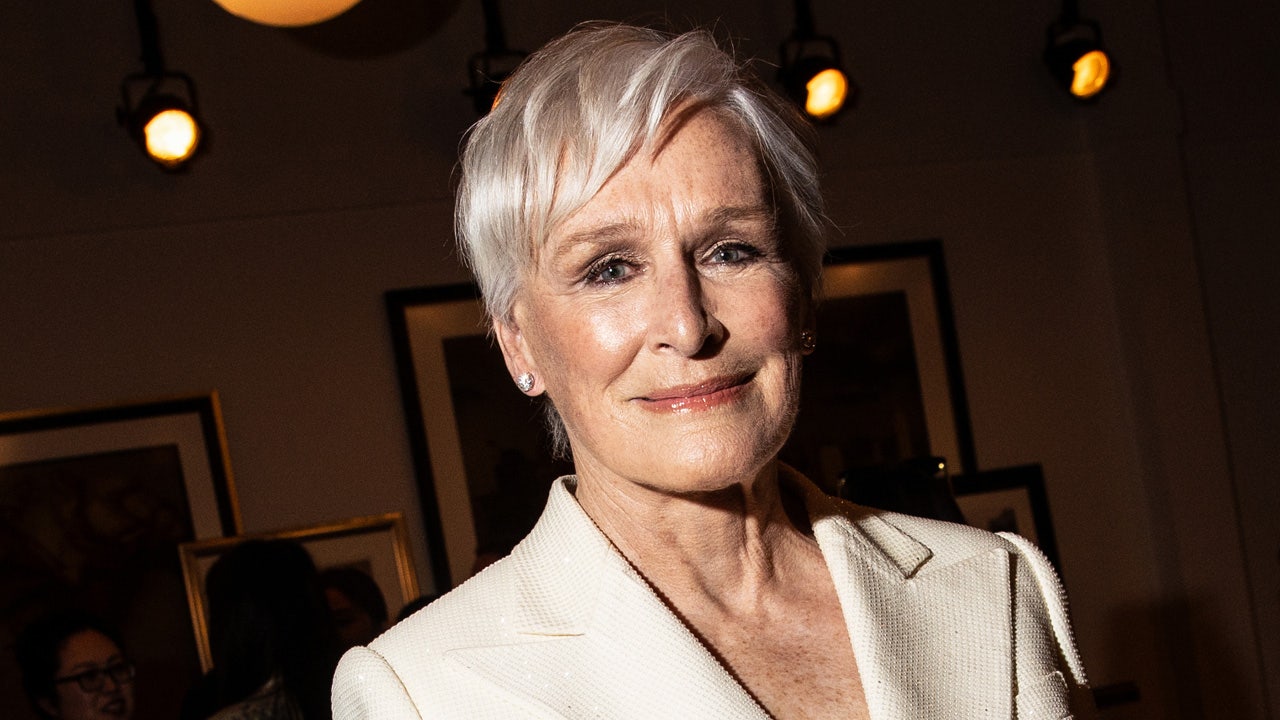
As artificial intelligence (AI) continues to weave its way into the fabric of the entertainment industry, the stakes have never been higher. Oscar-nominated actress Glenn Close, with her illustrious career stretching over four decades, stands at the forefront of this debate. With the advent of AI technologies and their growing influence on film and television, Close raises profound questions about authenticity and the nature of storytelling. In this article, we will explore her insights and the broader implications of AI on the future of Hollywood.
The Impact of AI on Storytelling
Artificial intelligence has become a game-changer in various industries, and Hollywood is no exception. From scriptwriting to post-production editing, the use of AI technologies is transforming the way stories are told. Close argues that while AI can enhance certain aspects of filmmaking, it also poses significant challenges to the authenticity of narratives.
For instance, AI-driven tools can analyze audience preferences and trends, allowing studios to create content that aligns with viewer expectations. However, this reliance on data can lead to formulaic storytelling, where creativity takes a back seat to algorithms. Close’s concern is that this shift could dilute the essence of what makes storytelling so powerful—a genuine connection to human experiences.
- Data-Driven Narratives: AI can produce content based on analytics, but it may lack the emotional depth that comes from human experience.
- Loss of Originality: As studios chase trends, the uniqueness of individual voices may be overshadowed by homogenized narratives.
- AI in Scriptwriting: While AI can assist in generating ideas, it cannot replace the nuanced understanding that seasoned writers bring to character development.
Glenn Close’s Perspective on Authenticity
In her illustrious career, Close has portrayed a wide range of characters, each infused with authenticity and depth. She believes that the heart of storytelling lies in its ability to reflect the complexities of human emotions. Close emphasizes that while technology can facilitate production processes, it cannot replicate the intricate layers of human experience that actors bring to their roles.
“When I step into a character, I’m not just reading lines; I’m diving into the psyche of a person, understanding their fears, desires, and motivations,” Close explains. “AI might craft a script, but it can’t feel the heartbeat behind the words.” This sentiment resonates with many in the industry who fear that the reliance on AI could lead to a disconnect between the creators and the stories they tell.
The Ethical Dilemmas of AI in Hollywood
The integration of AI in Hollywood also raises ethical questions. Issues surrounding copyright, ownership, and the preservation of artistic integrity come to the forefront. Close highlights the importance of establishing guidelines that protect creative professionals as AI continues to evolve.
- Copyright Concerns: Who owns the content generated by AI? This question remains largely unanswered, leaving creators vulnerable.
- Job Displacement: As AI takes on more roles in production, there’s a real fear among industry professionals about job security.
- Maintaining Artistic Integrity: Close advocates for a balanced approach where technology complements rather than replaces human creativity.
Finding a Balance: Integrating AI and Human Creativity
As the conversation around AI continues, Close advocates for a balance between leveraging technology and preserving the human touch in storytelling. “Technology should be a tool, not a crutch,” she asserts. By embracing AI with caution, filmmakers can enhance their work without compromising their artistic vision.
Some potential avenues for achieving this balance include:
- Collaborative Projects: Encouraging collaborations between tech experts and creative professionals to explore innovative storytelling methods.
- Training Programs: Developing educational initiatives that equip artists with the skills to work alongside AI technologies.
- Creative Freedom: Ensuring that creators retain the autonomy to express their unique visions, even in an AI-driven landscape.
The Future of Hollywood: A New Era of Storytelling
As Glenn Close confronts the AI dilemma, her reflections serve as a beacon for the future of Hollywood. The industry stands on the precipice of a new era, where the fusion of technology and human creativity has the potential to redefine storytelling. By addressing the challenges posed by AI and advocating for ethical standards, Close is not only protecting her legacy but also paving the way for future generations of storytellers.
Moreover, the ongoing dialogue about AI encourages a broader examination of what it means to tell stories in the modern world. As audiences become more discerning, the demand for authenticity and emotional resonance in narratives will only grow stronger. Close’s insights remind us that, at its core, storytelling is about connection—an element that no algorithm can replicate.
Conclusion: Embracing Change While Upholding Tradition
The intersection of artificial intelligence and Hollywood presents both opportunities and challenges. As Glenn Close navigates this complex landscape, she embodies the spirit of inquiry and resilience that has characterized her career. By confronting the AI dilemma and emphasizing the importance of truth in storytelling, Close inspires a renewed commitment to authenticity in an ever-evolving industry.
In a world where technology is advancing at breakneck speed, it is crucial for creators to remain grounded in the human experience. As we look toward the future, the key lies in finding harmony between innovation and tradition, ensuring that the stories we tell continue to resonate with the heart and soul of humanity.
See more CNET Live