
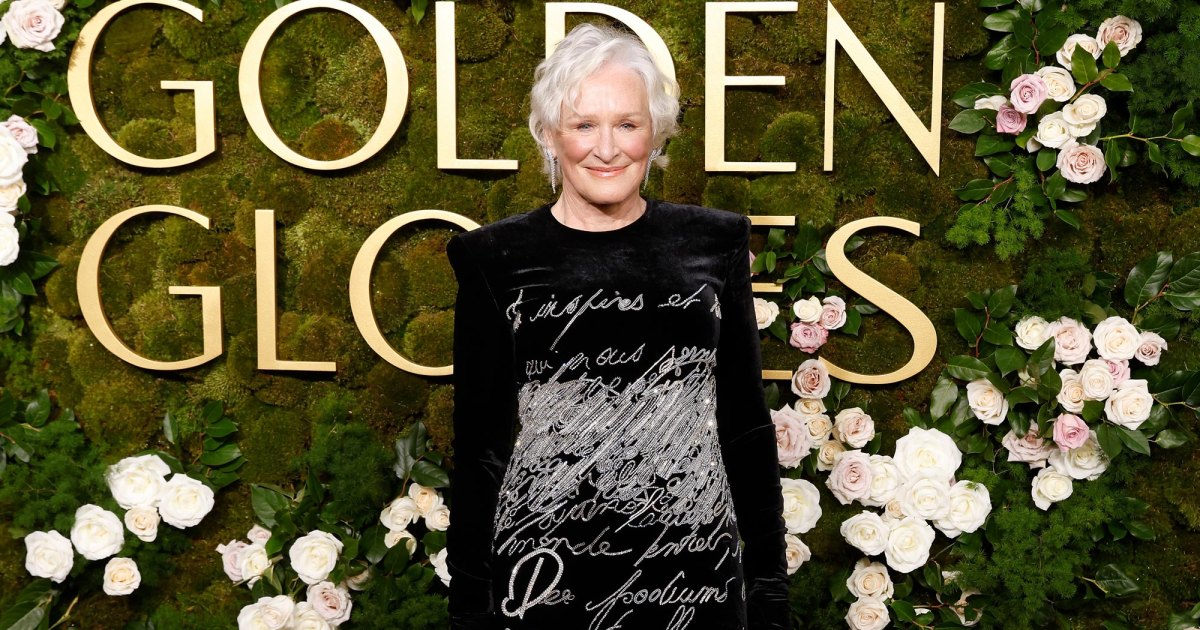
Glenn Close Reflects on the Film That Redefined Her Image as a Leading Lady
In the realm of cinema, few stars shine as brightly as Glenn Close. With a career spanning over four decades, she has captivated audiences with her extraordinary talent and versatility. Yet, there exists a pivotal moment in her career that not only challenged societal perceptions of her allure and talent but also redefined her image as a leading lady. In a candid interview, Close reflects on this transformative film, shedding light on how it showcased a different side of her artistry and ultimately reshaped her trajectory in Hollywood.
The Film that Changed Everything
For Glenn Close, this transformative film is none other than “Fatal Attraction” (1987). Directed by Adrian Lyne, the psychological thriller became a cultural phenomenon and marked a significant turning point in Close’s career. Prior to this film, Close was primarily known for her roles in dramatic films such as “The World According to Garp” and “The Big Chill.” While she was recognized for her acting prowess, her public persona was often overshadowed by her more traditional roles.
“Fatal Attraction” thrust Close into the limelight as she portrayed Alex Forrest, a woman who becomes dangerously obsessed with a married man, played by Michael Douglas. The role was a stark departure from the characters she had portrayed before and allowed her to explore themes of obsession, betrayal, and madness. Close’s performance was both chilling and captivating, earning her an Academy Award nomination for Best Actress.
Challenging Societal Perceptions
In her interview, Close reflects on how “Fatal Attraction” challenged societal perceptions of femininity and women’s roles in cinema. The film presented a complex female character who defied the traditional archetype of a passive woman. Instead of being merely a love interest, Alex Forrest was a multi-dimensional character with her own desires and motivations, albeit misguided. Close notes, “It was an opportunity to show that women could be nuanced, flawed, and powerful in their own right.”
This portrayal resonated with audiences, sparking discussions about women’s agency in relationships and the often-overlooked darker aspects of love and desire. Close’s performance shattered the notion that leading ladies must fit into a specific mold, paving the way for more complex female characters in Hollywood.
A New Image for a Leading Lady
Close acknowledges that the success of “Fatal Attraction” redefined her image as a leading lady. No longer was she solely seen as the warm, nurturing figure; she became a force to be reckoned with. “It was a double-edged sword,” she explains. “While it opened up new opportunities, it also placed me in a box where I was often typecast as the ‘crazy woman.’”
This typecasting, however, did not deter Close from embracing diverse roles. Following “Fatal Attraction,” she took on a variety of characters that showcased her versatility, including her acclaimed performances in “Dangerous Liaisons” and “Albert Nobbs.” Nevertheless, the shadow of Alex Forrest loomed large, reminding audiences of her ability to portray characters with depth and complexity.
Impact on Career and Legacy
The impact of “Fatal Attraction” on Close’s career extends beyond mere box office success. It opened the doors for conversations about women’s portrayal in film and the importance of complex female narratives. Close reflects, “It was a conversation starter. People began to recognize that women could be just as dynamic and multifaceted as men.”
Close’s legacy as an actress is not merely defined by her performances but also by her commitment to advocating for women in the industry. She has been a vocal proponent of gender equality in Hollywood, championing initiatives that empower women to take on leading roles and tell their own stories.
The Evolution of Female Characters in Cinema
Looking back on her career, Close observes the evolution of female characters in cinema since the release of “Fatal Attraction.” She notes that while progress has been made, there is still much work to be done. “We’re seeing more women behind the camera, more complex stories being told, but the journey is far from over,” she states.
As Hollywood continues to evolve, Close’s contributions remain significant. She has paved the way for a new generation of actresses who draw inspiration from her fearless approach to character portrayal. Actresses like Jessica Chastain, Viola Davis, and Jennifer Lawrence have emerged as powerful voices in the industry, embodying the complexity that Close once brought to the screen.
Conclusion: A Lasting Impact
In reflecting on the film that redefined her image as a leading lady, Glenn Close emphasizes the importance of storytelling and the role of women in shaping narratives. “We need to continue pushing boundaries and telling stories that resonate,” she asserts. “Every role is an opportunity to change perceptions and inspire future generations.”
“Fatal Attraction” may have been a turning point in Close’s career, but its legacy extends far beyond her performance. It represents a moment in cinematic history where societal perceptions of women began to shift, allowing for greater complexity and nuance in character portrayal. As Close continues to captivate audiences with her talent, she remains a testament to the power of film to challenge norms and inspire change.
As we celebrate Glenn Close’s illustrious career, we are reminded of the transformative power of cinema and its ability to reflect the intricacies of the human experience. Through her journey, Close has not only redefined her image but has also played a pivotal role in redefining the narrative surrounding women in film. In an industry that continues to evolve, her contributions will resonate for generations to come.
See more CNET Live