
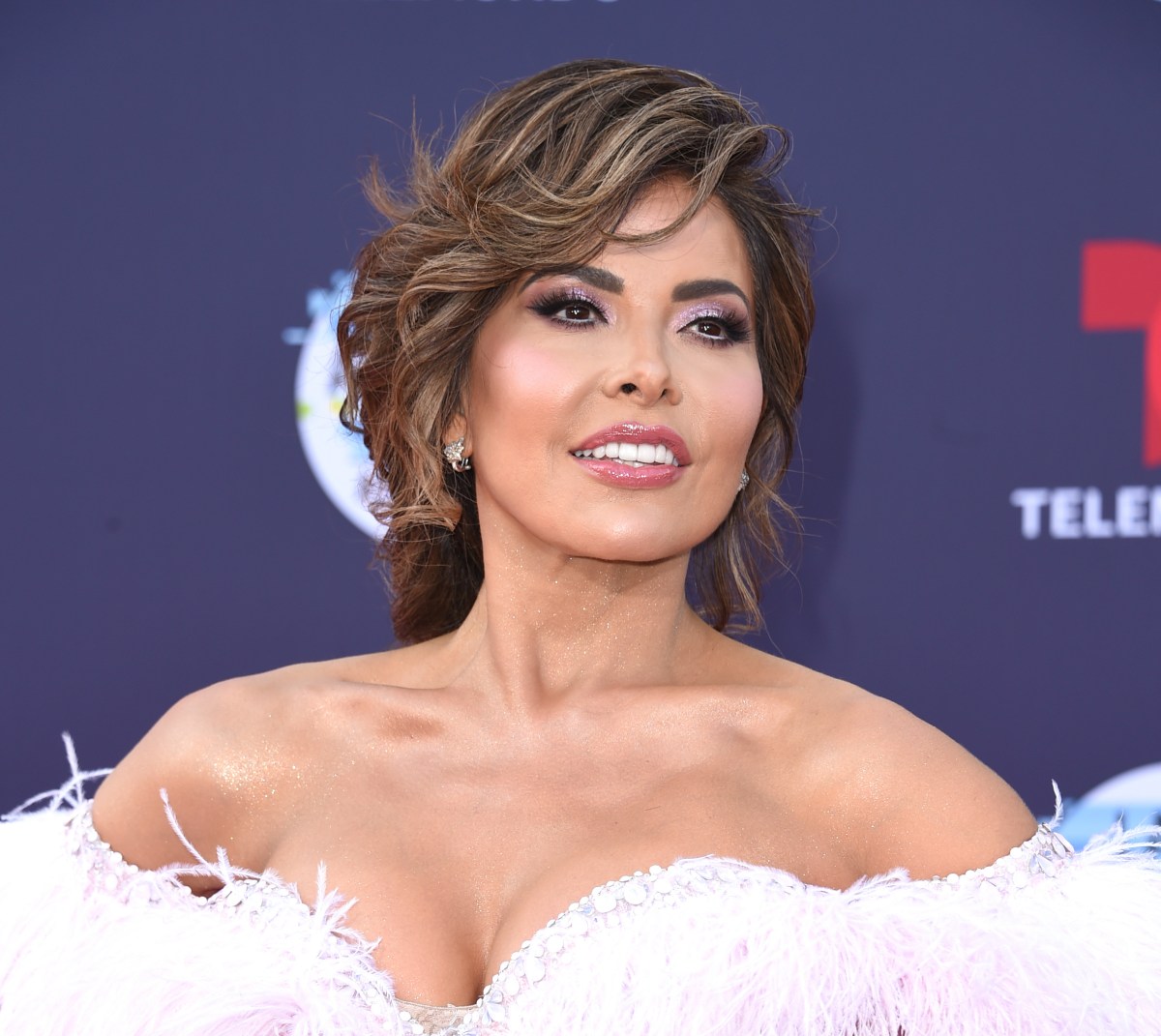
Legal Showdown: Gloria Trevi Takes Action Against Karla de la Cuesta for Image Misuse
In a bold move that has captured the attention of both fans and legal experts alike, pop icon Gloria Trevi has filed a lawsuit against Karla de la Cuesta, alleging unauthorized use of her likeness. This case brings to light the complexities surrounding image rights and celebrity representation in the digital age, a realm where the line between inspiration and infringement can often be blurred.
The Background of the Case
Gloria Trevi, often hailed as the “Mexican Madonna,” has had a career spanning over two decades, during which she has not only made waves in the music industry but has also become a cultural icon. Her influence extends beyond her chart-topping hits; she embodies empowerment and resilience, especially after overcoming significant personal challenges.
Karla de la Cuesta, a rising influencer and social media personality, reportedly used Trevi’s image in promotional materials for her own brand without obtaining permission. Such actions raise pivotal questions regarding the rights of individuals to control their likeness and how far one can go in drawing inspiration from established figures without crossing legal boundaries.
The Legal Framework
The core of Trevi’s lawsuit hinges on the concept of image rights, which protect individuals from unauthorized commercial use of their likeness. In many jurisdictions, celebrities have the right to control how their image is used, particularly for profit. This right is often rooted in privacy laws and can be further supported by trademark laws, which protect brand identity.
- Privacy Laws: These laws prohibit the unauthorized use of a person’s likeness for commercial purposes.
- Trademark Laws: Celebrities may trademark their names and images, providing additional legal protections.
In this case, Trevi’s legal team argues that de la Cuesta’s use of her image was not only unauthorized but also misleading, potentially confusing consumers about the endorsement of the products being promoted. The ramifications of this case could extend to how influencers and brands approach collaborations with celebrity figures moving forward.
The Implications of the Lawsuit
The outcome of this legal showdown between Gloria Trevi and Karla de la Cuesta could set significant precedents regarding image rights in the digital landscape. As social media continues to evolve, the lines blur between personal expression and commercial use. Here are a few implications worth considering:
- Influencer Responsibility: Influencers may need to exercise greater caution when using images or references to established celebrities.
- Brand Partnerships: Brands could face increased scrutiny and legal challenges related to their marketing practices involving celebrity likenesses.
- Consumer Awareness: This case may heighten awareness among consumers about the authenticity of endorsements, fostering a more discerning audience.
Celebrity Image Rights: A Growing Concern
The case underscores a growing concern in the entertainment industry regarding the protection of celebrity image rights. With the surge of social media influencers, the potential for misuse of a celebrity’s likeness has multiplied. Celebrities must now be more vigilant than ever in protecting their image, as unauthorized uses can lead to reputational harm and financial losses.
Moreover, the digital age has complicated these issues further. Unlike traditional media, where celebrity images were often licensed through formal agreements, social media allows for rapid sharing and remixing of images, sometimes without clear attribution or permission. This creates a challenging landscape for both celebrities and the legal system.
The Role of Public Perception
Public perception plays a crucial role in cases like this. Gloria Trevi has a loyal fanbase, and her fight against image misuse resonates with many who admire her resilience and advocacy for artists’ rights. On the other hand, Karla de la Cuesta’s supporters may argue for creative freedom and the right to express admiration for public figures.
As the case unfolds, it will be interesting to see how the public narrative evolves. Will the public side with the established icon, or will they empathize with the burgeoning influencer? The outcome of this legal battle could very well influence how society views the balance between protecting individuals’ rights and fostering creativity.
The Future of Image Rights
As we move forward in this digital age, the legal landscape surrounding image rights is likely to evolve. Here are some potential developments we might see:
- Stricter Regulations: Governments and legal bodies may introduce stricter regulations surrounding the use of likenesses in advertising and promotion.
- Increased Education: There may be a push for greater education around image rights for influencers and brands to prevent future legal disputes.
- Emerging Legal Precedents: High-profile cases like this one could establish new legal precedents that redefine the boundaries of image rights.
Conclusion
The legal showdown between Gloria Trevi and Karla de la Cuesta is more than just a lawsuit; it is a reflection of the ongoing struggle between creative expression and the protection of individual rights in an increasingly digital world. As the case progresses, it will undoubtedly serve as a critical touchpoint for discussions about image rights, influencer ethics, and the responsibilities that come with fame.
In the end, the outcome of this case could shape the future of how celebrities, influencers, and brands interact, paving the way for clearer guidelines that protect the rights of individuals while still encouraging creativity in the digital landscape. As we await developments, one thing is certain: the conversation around image misuse is just beginning.
See more CNET Live