
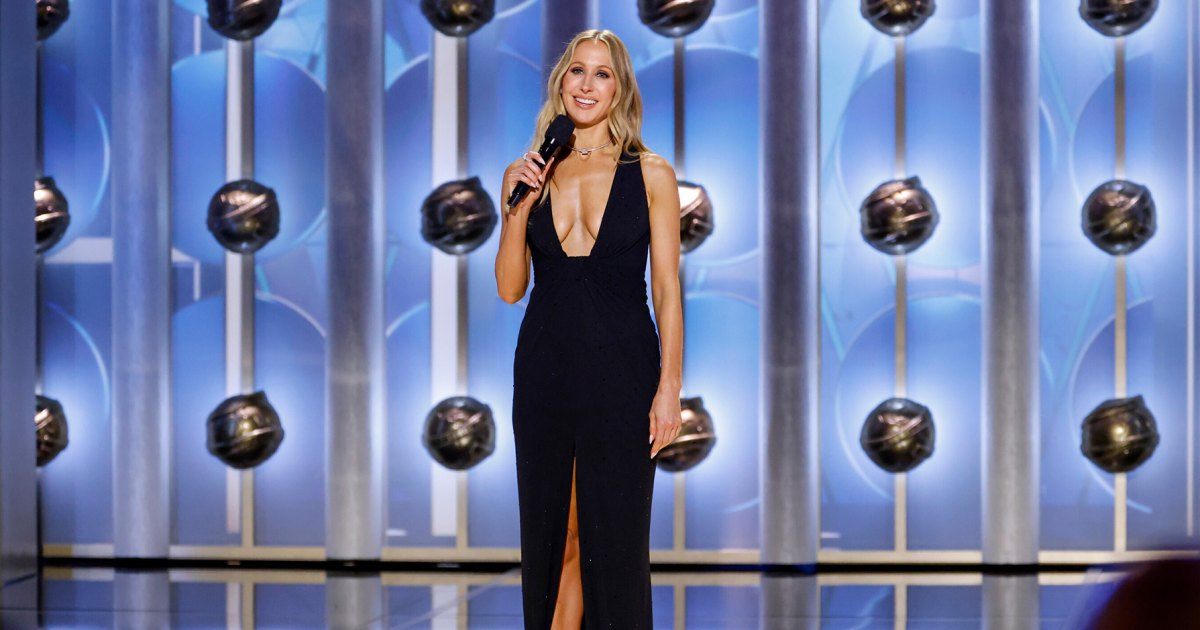
Gender Pay Disparity at the Golden Globes: Examining Nikki Glaser’s Compensation
The 2025 Golden Globes have ignited a firestorm of debate surrounding gender pay disparity in the entertainment industry. Central to this discussion is the notable compensation difference between host Nikki Glaser and her male predecessors. The revelation that Glaser received a significantly lower paycheck than her male counterparts has raised important questions about gender equality and the ongoing fight for fair compensation in Hollywood.
Understanding the Context of Gender Pay Disparity
Gender pay disparity is not a new phenomenon. It has been a persistent issue across various industries, but the entertainment sector has often been scrutinized for its glaring inequalities. Reports indicate that female actors, directors, and producers frequently earn less than their male counterparts, even when they bring the same level of experience and talent to the table.
According to a study conducted by the Hollywood Reporter, female leads in television earned only 83 cents for every dollar earned by male leads in 2020. This alarming statistic underscores the need for ongoing advocacy and reform in the industry. The disparity in compensation for hosts at major award shows reflects a broader systemic issue that necessitates attention and action.
Nikki Glaser’s Role and Pay Comparison
Nikki Glaser, a well-regarded comedian and television host, took on the prestigious role of hosting the Golden Globes in 2025. While Glaser’s comedic talent and charisma have endeared her to audiences, the financial compensation she received for her hosting duties has raised eyebrows. Reports suggest that her paycheck was significantly lower than that of previous male hosts, such as Ricky Gervais and Jimmy Fallon.
For context, Gervais was reportedly paid over $5 million for his hosting duties in previous years, while Glaser’s paycheck is estimated to be under $2 million. Such a stark contrast in compensation has led many to question the fairness of the pay structure within the entertainment industry.
The Impact of Gender Pay Disparity on the Industry
The implications of gender pay disparity extend beyond individual hosts and actors. They reflect a broader culture of inequality that can discourage women from pursuing careers in entertainment. When female talent is consistently undervalued, it sends a message that their contributions are less significant than those of their male counterparts. This can lead to a lack of diversity in storytelling, which ultimately affects the quality and richness of the content created.
Moreover, the financial impact on women in the industry can be profound. Lower pay can limit access to resources, networking opportunities, and career advancements. This cycle of inequality perpetuates itself, making it difficult for women to break through the glass ceiling in a field that often feels dominated by men.
Advocacy and the Movement Towards Equal Pay
In recent years, there has been a growing movement advocating for equal pay in Hollywood. Organizations like Time’s Up and the #MeToo movement have brought attention to these disparities, prompting discussions about the need for change. The entertainment industry has seen an increase in transparency regarding pay scales, and many female actors are now more vocal about their compensation.
- Increased Transparency: Many studios and networks are beginning to disclose pay ranges for roles, which can help ensure equitable compensation.
- Negotiation Training: Initiatives are being introduced to help women in entertainment negotiate better salaries and contracts.
- Public Awareness: Social media platforms have become powerful tools for raising awareness about gender pay disparity, allowing individuals to share their experiences and challenge the status quo.
These efforts are crucial in addressing gender pay disparity at events like the Golden Globes. By highlighting the inequities faced by hosts and performers, advocates hope to inspire change that will lead to fair compensation for all talents, regardless of gender.
Lessons from Nikki Glaser’s Experience
Nikki Glaser’s experience as the host of the 2025 Golden Globes serves as a pivotal case study in the ongoing battle against gender pay disparity. Her situation sheds light on several important lessons:
- The Importance of Representation: Female hosts and performers bring unique perspectives and talents to the industry. Their representation at high-profile events is essential for promoting diversity and inclusion.
- Negotiating for Fair Pay: Glaser’s case underscores the need for women to advocate for themselves and negotiate for equitable compensation.
- Community Support: The entertainment industry must foster a culture of support among its members, encouraging women to uplift one another and demand fair treatment.
Looking Forward: The Future of Gender Equality in Hollywood
As we look to the future, it is crucial to continue pushing for gender equality within the entertainment industry. The conversation surrounding Nikki Glaser’s compensation at the Golden Globes represents only the tip of the iceberg. To create a more equitable environment, the following steps should be prioritized:
- Policy Changes: Organizations and studios should implement policies that promote transparency and fairness in pay practices.
- Encouraging Female Leadership: Increasing the number of women in leadership positions can lead to more equitable decision-making regarding pay and opportunities.
- Ongoing Advocacy: Continued advocacy and awareness campaigns are vital to keeping the conversation alive and pushing for necessary change.
In conclusion, the gender pay disparity highlighted by Nikki Glaser’s compensation at the Golden Globes is a critical issue that demands attention. It serves as a reminder of the work still needed to achieve equality in Hollywood and beyond. By fostering a culture of support, negotiation, and advocacy, we can pave the way for a more equitable future in the entertainment industry, ensuring that all talents are valued and compensated fairly for their contributions.
See more CNET Live