
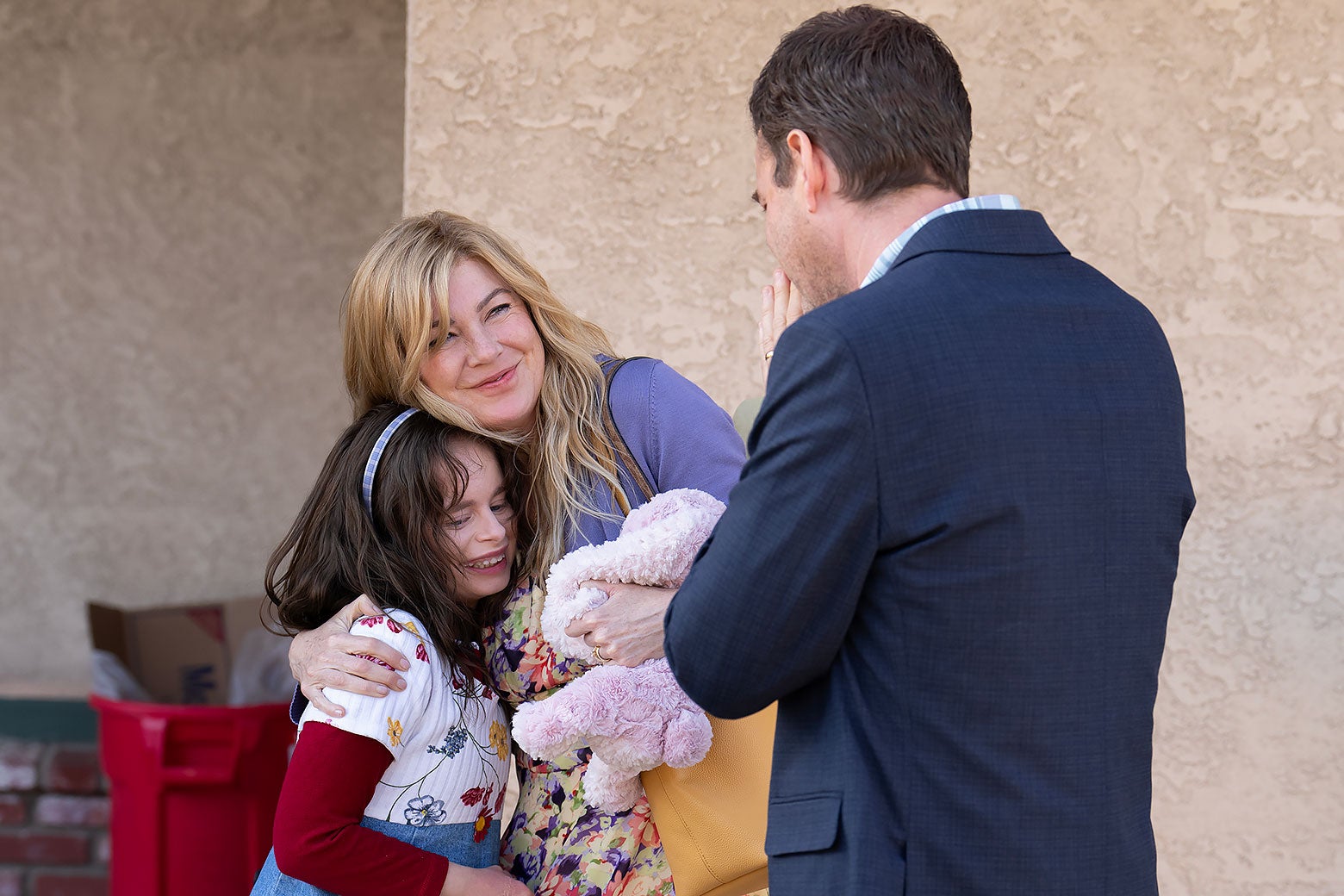
Unpacking the Controversy: What’s Wrong with Hulu’s “Good American Family”?
Hulu’s “Good American Family” has emerged as a focal point of heated debate, igniting discussions surrounding its portrayal of family dynamics and the cultural narratives it presents. As audiences delve into the series, it becomes essential to unpack the controversy and examine the underlying issues that have sparked such discontent among viewers and critics alike. This article aims to explore what’s wrong with Hulu’s “Good American Family,” highlighting the societal implications of its narratives and the ways in which it resonates—or fails to resonate—with contemporary audiences.
The Premise of “Good American Family”
At first glance, “Good American Family” positions itself as a light-hearted exploration of family life, focusing on the trials and tribulations of a typical American family. The series aims to capture the essence of familial bonds, showcasing the ups and downs that come with living under one roof. However, the show quickly encounters criticism for its seemingly one-dimensional portrayal of these relationships.
Critics argue that the series adheres too closely to stereotypical representations of family dynamics, often relying on clichéd tropes that fail to reflect the diversity and complexity of modern American families. This raises questions about whether the show truly encapsulates the variety of experiences within American households or if it simply perpetuates outdated norms.
Representation and Diversity Issues
One of the most significant criticisms of “Good American Family” revolves around its approach to representation. In an era where diversity and inclusion are paramount, viewers have voiced concerns that the show lacks a nuanced portrayal of different cultures, backgrounds, and family structures. The absence of LGBTQ+ characters, interracial families, and varying socio-economic statuses raises eyebrows, with many suggesting that the show reflects a narrow view of what constitutes a “good” American family.
- Monolithic Family Structure: The show predominantly features traditional nuclear families, sidelining other valid family configurations.
- Cultural Stereotyping: Critics note that the portrayal of certain cultures leans into stereotypes, failing to capture the richness and variety of experiences.
- Lack of LGBTQ+ Representation: The absence of LGBTQ+ characters is particularly striking, especially in a cultural landscape that increasingly celebrates diversity.
As society evolves, the demand for media that genuinely reflects the diversity of its audience grows stronger. “Good American Family” has faced backlash for seemingly ignoring this imperative, leading many to question its relevance in today’s world.
Portrayal of Gender Roles
Another layer of controversy surrounding “Good American Family” pertains to its portrayal of gender roles. Critics argue that the series reinforces outdated gender stereotypes, depicting women primarily in caregiving roles while men are often portrayed as the breadwinners or figures of authority. This binary representation not only simplifies complex gender dynamics but also sends a problematic message about the roles individuals should play within a family.
In a landscape where gender fluidity and equality are increasingly emphasized, the show’s adherence to traditional gender roles feels regressive to many. Viewers are left questioning whether “Good American Family” reflects a bygone era of family dynamics rather than a contemporary understanding of gender equality.
Family Dynamics: A Missed Opportunity
While “Good American Family” attempts to explore familial relationships, it often falls short in delivering depth and authenticity. The show’s reliance on humor and lighthearted scenarios can overshadow the more profound issues that families face today. Topics such as mental health, financial struggles, and the impact of technology on relationships are conspicuously absent or treated superficially.
This leads to a missed opportunity for the series to engage with its audience on a more meaningful level. By glossing over the challenges that many families encounter, the show risks alienating viewers who seek relatable content that resonates with their own experiences.
Societal Implications of Family Representation
The implications of how families are portrayed in media extend far beyond entertainment. Television shows like “Good American Family” contribute to shaping societal norms and expectations regarding family life. When representations are limited or skewed, they can influence public perception and reinforce harmful stereotypes.
Moreover, the lack of diversity in storytelling can perpetuate the idea that certain family structures or ways of living are superior to others. This not only sidelines countless narratives but also risks marginalizing those who do not fit into the “ideal” family mold. As viewers seek to see themselves reflected in the media, the absence of varied family representations can lead to feelings of isolation and exclusion.
Viewer Reactions and Cultural Backlash
The cultural backlash against “Good American Family” has manifested in various forms. Social media platforms have become battlegrounds for discussions about the show’s shortcomings, with viewers expressing their disappointment through hashtags and viral posts. Critics have taken to blogs and review sites, articulating their concerns and calling for more responsible storytelling.
Furthermore, the controversy has sparked broader conversations about the role of streaming platforms like Hulu in curating content that reflects the diversity of their audience. As streaming services continue to expand their libraries, the pressure to produce inclusive and representative narratives becomes increasingly pronounced.
Moving Forward: The Call for Change
In light of the criticisms directed at “Good American Family,” it is essential for content creators to take heed of audience feedback and strive for more inclusive storytelling. This involves recognizing the importance of diverse representation and the complexities of modern family life.
As media continues to evolve, there is a growing expectation for shows to challenge stereotypes and present multifaceted characters. By embracing a wider range of narratives, creators can not only enrich their content but also foster a deeper connection with their audience.
Ultimately, the conversation surrounding Hulu’s “Good American Family” serves as a reminder of the power of media in shaping perceptions and the responsibility of creators to reflect the world as it truly is. By addressing the criticisms leveled against the show, there is an opportunity for growth and evolution in storytelling that resonates with diverse audiences.
Conclusion
As we unpack the controversy surrounding Hulu’s “Good American Family,” it becomes clear that the show’s portrayal of family dynamics and cultural narratives is fraught with challenges. From issues of representation to gender roles and the depth of familial relationships, the series has sparked essential discussions about what it means to depict a “good” American family in today’s world. Moving forward, it is crucial for creators to engage with these conversations, embracing the diversity of experiences that exist within our society to provide authentic and relatable content. Only then can we hope to see a future where all families feel seen and valued in the stories told through media.
See more CNET Live