
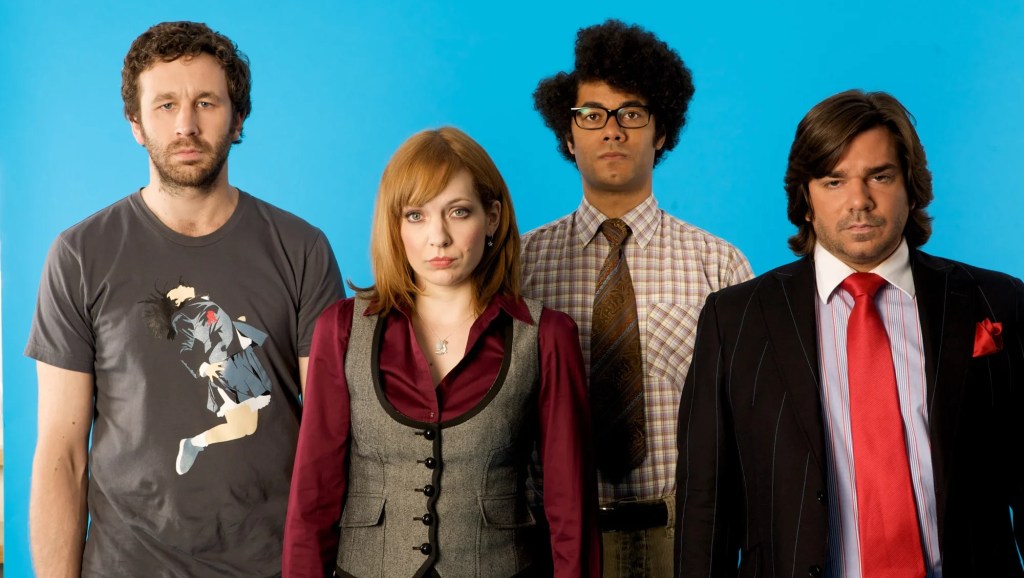
Chris O’Dowd Reflects on Graham Linehan’s Controversial Legacy in Comedy
In a recent interview, renowned actor and comedian Chris O’Dowd opened up about his thoughts on Graham Linehan, the creator of the beloved sitcom ‘The IT Crowd.’ O’Dowd, known for his candidness, expressed a desire for more work from Linehan, whose career has faced significant challenges due to his outspoken views on transgender issues. This statement has ignited discussions about the role of comedy in engaging with controversial topics and the complex landscape of cancel culture.
The Impact of Graham Linehan on Comedy
Graham Linehan’s work has undeniably left a mark on the comedy scene. Best known for ‘The IT Crowd,’ a sitcom that became a cult classic, Linehan’s writing is characterized by its sharp wit and clever humor. However, his career took a turn in recent years as he became embroiled in heated debates over transgender rights, which many believe overshadowed his contributions to comedy.
Linehan’s earlier works showcased a unique ability to blend absurdity with relatable characters, making ‘The IT Crowd’ a staple for fans of British comedy. The show offered a humorous take on the lives of IT professionals, filled with iconic moments that resonate with audiences even today. However, as Linehan’s public persona shifted, so did the perception of his work.
O’Dowd’s Perspective on Linehan’s Controversy
Chris O’Dowd’s reflections on Linehan’s legacy highlight a critical conversation about the intersection of artistry and personal beliefs. In the interview, O’Dowd stated, “I wish Graham would come back and write more. His work has always been important to me.” This sentiment underscores the complicated relationship between an artist’s personal views and their creative output.
O’Dowd’s admiration for Linehan’s talent stands in stark contrast to the backlash faced by the comedian over his comments on transgender issues. Many in the industry have distanced themselves from Linehan, citing his rhetoric as harmful. Yet O’Dowd’s remarks suggest a yearning for a return to a more nuanced discussion about comedy and the themes it can explore.
The Role of Comedy in Controversial Topics
Comedy has long served as a vehicle for social commentary, providing a platform to address sensitive issues. The ability of comedians to tackle controversial subjects often reflects the society in which they operate. In the case of Graham Linehan, his earlier works did not shy away from poking fun at societal norms, but his more recent comments have sparked debates about the boundaries of humor.
- Provocative Humor: Many comedians use provocative humor to challenge audiences and provoke thought. Linehan’s early works exemplified this approach, often addressing the absurdities of modern life.
- Censorship and Cancel Culture: As society evolves, the boundaries of acceptable humor can shift. The backlash against Linehan raises questions about cancel culture and whether it stifles important conversations that comedy can facilitate.
- Comedy as a Reflection of Values: Audiences often align with comedians whose values resonate with their own. O’Dowd’s comments suggest a desire for comedy that can navigate controversial topics without alienating audiences.
Understanding Cancel Culture and Its Implications
Cancel culture has emerged as a significant force in contemporary discussions around art and expression. It refers to the practice of withdrawing support for public figures due to their controversial statements or actions. This phenomenon has affected many artists, with some experiencing a rapid decline in their careers due to public backlash.
In the case of Graham Linehan, his outspoken views on transgender issues have led to significant professional repercussions. While some argue that accountability is essential in promoting a more inclusive environment, others contend that cancel culture can inhibit open dialogue and stifle creativity.
O’Dowd’s desire for Linehan’s return to the comedy scene raises essential questions about forgiveness and the possibility of redemption. Can an artist’s work be separated from their personal beliefs? Is it possible to appreciate the craft while disagreeing with the artist’s views? These questions are at the forefront of discussions surrounding Linehan’s legacy and the broader implications of cancel culture in comedy.
Moving Forward: The Future of Comedy
As the landscape of comedy continues to evolve, artists must navigate the complexities of societal expectations and personal beliefs. The industry is at a crossroads, with comedians facing increased scrutiny over their words and actions. Yet, it is precisely in this environment that the potential for growth and innovation exists.
O’Dowd’s comments serve as a reminder that comedy can be a powerful tool for change, capable of bridging divides and fostering understanding. By engaging with controversial topics thoughtfully, comedians can create spaces for dialogue, encouraging audiences to confront uncomfortable truths while finding humor in the absurdities of life.
Conclusion: Embracing Complexity in Comedy
Chris O’Dowd’s reflections on Graham Linehan’s controversial legacy highlight the intricate relationship between comedy, personal beliefs, and cancel culture. As society grapples with the implications of these discussions, it is crucial to recognize the potential for comedy to serve as a means of exploring complex issues.
While Linehan’s career may be marred by controversy, the essence of his contributions to comedy remains significant. O’Dowd’s wish for more work from Linehan indicates a desire for a return to creative exploration, where humor can be both provocative and inclusive. The future of comedy lies in its ability to adapt, challenge, and inspire, creating a space for diverse voices and perspectives.
In navigating these conversations, the comedy community can work toward a more nuanced understanding of the role of art in society, ensuring that it remains a vibrant and essential part of our cultural discourse.
See more CNET Live