
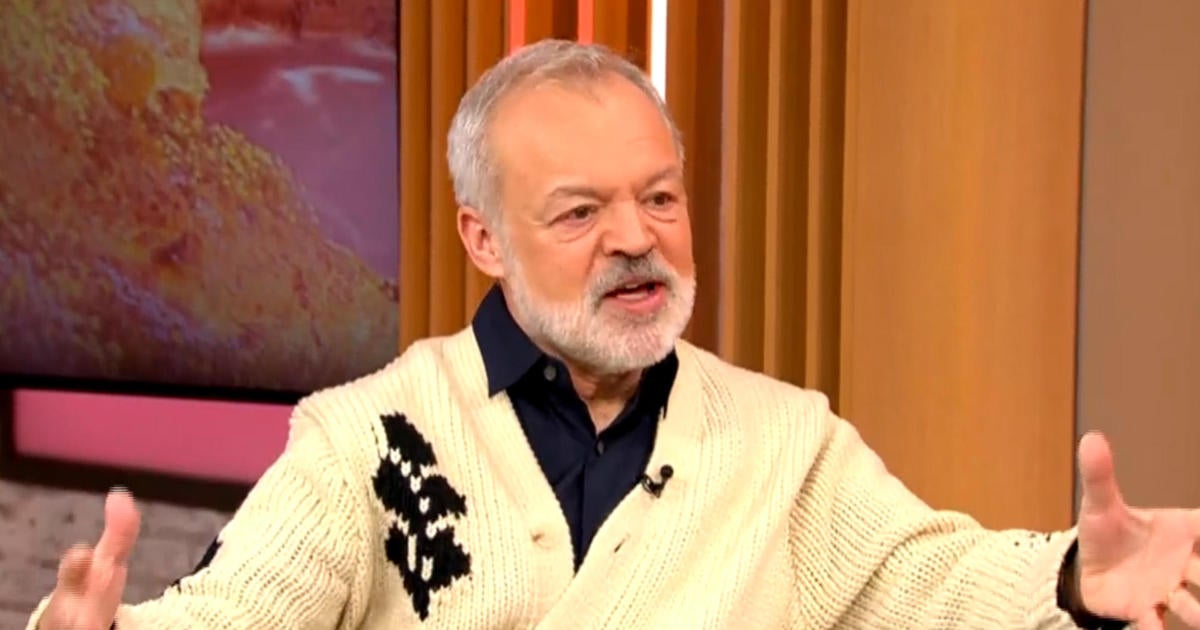
Graham Norton Unveils “Frankie”: A Deep Dive into the Art of Storytelling
In a world where storytelling holds the power to connect, inspire, and heal, Graham Norton’s latest endeavor, “Frankie,” emerges as a poignant exploration of human experience. Known for his wit and charm as a television host, Norton takes a bold leap into the literary domain, inviting readers to delve deeper into the intricate craft of storytelling. In an exclusive interview, Norton opens up about the creative process behind “Frankie,” highlighting the emotional depths and character-driven narratives that define his work.
The Essence of “Frankie”
“Frankie” is not just a novel; it is a tapestry woven from the threads of personal experiences, societal observations, and the universal themes of love, loss, and identity. Norton describes the book as a reflection of his own life, infused with fictional elements that resonate with readers on multiple levels. The protagonist, Frankie, embarks on a journey that mirrors the complexities many face in their search for belonging and self-acceptance.
As Norton articulates, “The character of Frankie is someone who feels out of place in the world, much like many of us do at different stages of life.” This sentiment resonates deeply, as it speaks to the common human experience of grappling with one’s identity and the desire for connection. Norton’s ability to encapsulate such feelings in his writing showcases his understanding of the emotional landscape that defines us.
Inspirations Behind “Frankie”
When asked about the inspirations that fueled the creation of “Frankie,” Norton points to a blend of personal anecdotes and broader societal themes. He draws from his experiences growing up in Ireland, where storytelling is an integral part of the culture. “From a young age, I was surrounded by stories—tales of love, heartbreak, and resilience. It made me appreciate the art of storytelling and its power to evoke empathy,” he explains.
Norton also acknowledges the influence of contemporary literary figures and the rich tapestry of stories that shape modern narratives. He mentions authors like Anne Enright and Colm Tóibín, whose works reflect the complexities of Irish identity. “Their ability to weave intricate tales that resonate with both local and global audiences inspired me to push the boundaries of my own storytelling,” he adds.
The Craft of Storytelling
One of the most intriguing aspects of Norton’s approach to “Frankie” is his emphasis on the craft of storytelling. He believes that storytelling is an art form that requires both skill and heart. “It’s not just about stringing words together; it’s about creating a world where readers can lose themselves,” he notes. This perspective aligns with the views of many literary scholars who emphasize the importance of narrative structure, character development, and emotional depth in writing.
Norton’s narrative style in “Frankie” is characterized by its vivid imagery and relatable characters. He employs a technique that allows readers to see the world through Frankie’s eyes, fostering a deep emotional connection. The use of first-person narration invites readers to experience Frankie’s joys and struggles firsthand, making the story all the more impactful.
Character-Driven Narratives
At the heart of “Frankie” lies a cast of well-crafted characters, each contributing to the rich narrative tapestry. Norton emphasizes the importance of character development, stating, “Characters are the backbone of any story. They must feel real, flawed, and relatable.”
Frankie’s journey is intertwined with a diverse array of supporting characters, each representing different facets of human experience. From friends who offer support to those who challenge Frankie’s perceptions, these characters play a crucial role in shaping the narrative. Norton believes that well-developed characters allow readers to explore various perspectives, enhancing their understanding of the human condition.
- Emotionally Resonant Characters: Norton’s characters are not mere plot devices; they embody the complexities of life, making their stories resonate with readers.
- Diverse Perspectives: The inclusion of varied characters allows for a multifaceted exploration of themes such as love, friendship, and self-discovery.
- Character Arcs: Each character undergoes a transformation, reflecting the growth and challenges that accompany life’s journey.
The Emotional Depth of “Frankie”
Norton’s ability to delve into the emotional depths of his characters is one of the hallmarks of “Frankie.” He masterfully navigates themes of grief, acceptance, and the quest for belonging, inviting readers to reflect on their own experiences. “I wanted to create a narrative that not only entertains but also provokes thought and introspection,” he states.
The emotional landscapes in “Frankie” are painted with a deft hand, as Norton balances humor and heartache. This duality adds depth to the narrative, allowing readers to experience a full spectrum of emotions. From lighthearted moments to poignant reflections, “Frankie” captures the essence of life’s unpredictability.
Conclusion: The Impact of “Frankie”
As Graham Norton unveils “Frankie,” he invites readers on a journey through the art of storytelling. This novel stands as a testament to the power of narratives to evoke empathy, challenge perceptions, and foster connections. With its rich character development and emotional depth, “Frankie” is poised to leave a lasting impact on its audience.
In a world that often feels divided, Norton’s storytelling reminds us of our shared humanity. “Frankie” is more than just a book; it is a reflection of the stories that define us, urging readers to embrace their own narratives with courage and authenticity.
Ultimately, as Norton himself puts it, “Every story has the potential to change someone’s life, even in the smallest of ways.” With “Frankie,” he not only shares a story but also invites readers to become part of a larger conversation about what it means to be human.
See more CNET Live