
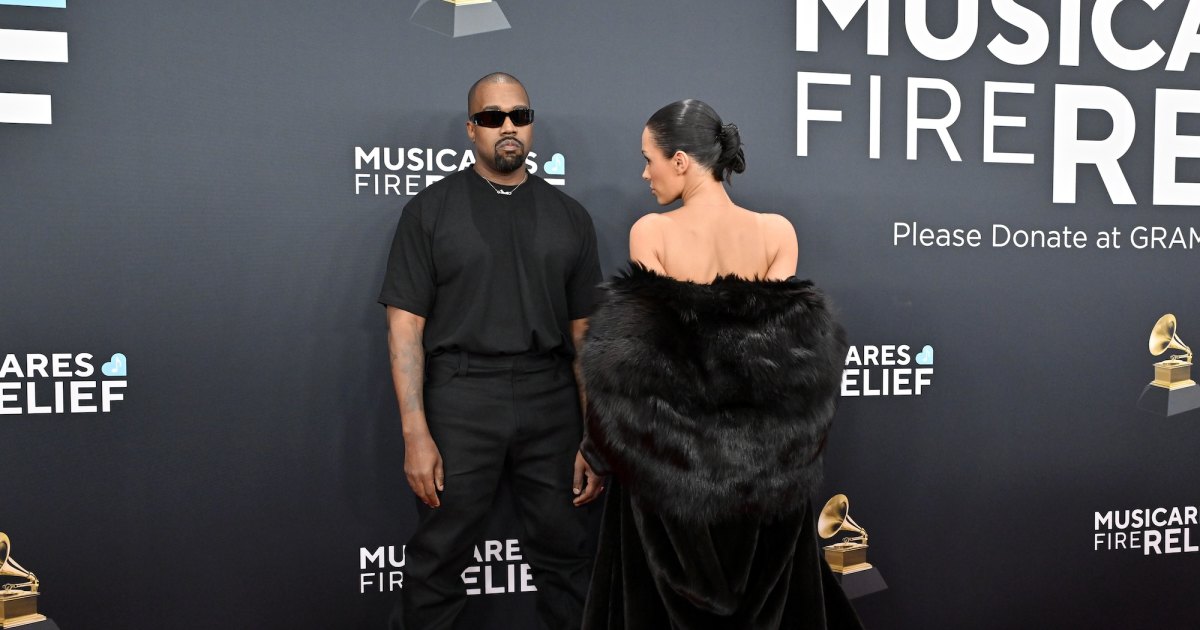
Behind the Curtains: Grammys Producer Responds to Bianca Censori’s Controversial Dress Choice
The recent Grammy Awards showcased a dazzling array of performances and a spectrum of fashion choices, but none stirred as much conversation as Bianca Censori’s audacious outfit. Designed to provoke thought as much as to dazzle, her choice raised eyebrows and sparked debates on artistic expression versus industry norms. In the wake of this attention, a leading Grammys producer weighs in, exploring the delicate balance between creativity and the expectations of high-profile events. This article delves into the implications of Censori’s fashion statement, examining both the artistic motivations behind it and the industry standards it challenges.
The Controversial Outfit: A Statement or a Stunt?
At this year’s Grammys, Bianca Censori, known for her bold fashion sense and innovative designs, made headlines with an outfit that was both striking and contentious. Characterized by its unconventional silhouette and provocative elements, her dress pushed boundaries in a way that many found exciting, while others deemed it inappropriate for such a prestigious event.
Fashion, particularly on platforms like the Grammys, often acts as a reflection of the times. Censori’s choice can be seen as a commentary on the evolving nature of celebrity culture and the public’s relationship with it. In an age where social media amplifies every moment, the lines between personal expression and public expectation can blur. As one prominent fashion critic noted, “Censori’s dress isn’t just about aesthetics; it’s a dialogue starter about what it means to be seen in today’s world.”
Producer Insights: Balancing Art and Expectations
In response to the buzz surrounding Censori’s outfit, a leading producer involved in the Grammys shared insights on the challenges of balancing artistic freedom with industry standards. “The Grammys is a celebration of music and creativity, but it’s also a formal event with a history and tradition,” they explained. “We encourage artists to express themselves, yet there’s an understanding that some attire may not resonate with the broader audience.”
This perspective highlights a crucial aspect of high-profile events: the expectation of decorum. While the music industry champions individuality, it also operates within a framework of established norms that can sometimes stifle bold expressions. It’s a complex interplay that producers navigate carefully, ensuring the event remains inclusive yet respectful of its audience.
The Implications of Censori’s Choice
Censori’s outfit raises important questions about the implications of high-fashion choices at significant cultural events:
- Artistic Expression: The freedom to express oneself through fashion is a cornerstone of creative industries, yet it comes with the responsibility of considering the audience’s perception.
- Industry Standards: Events like the Grammys have established unwritten rules regarding attire. Censori’s choice challenges these standards, prompting a reevaluation of what is deemed acceptable.
- Public Reaction: The immediate public response can be polarizing, with some celebrating boldness while others may perceive it as a misstep.
Fashion as a Form of Protest
Interestingly, Censori’s outfit can also be interpreted as a form of protest against the conventional expectations placed on women in the entertainment industry. Women often face scrutiny for their fashion choices, balancing between being too provocative or too demure. By opting for an eye-catching ensemble, Censori could be signaling a rejection of these constraints, encouraging other artists to embrace their individuality without fear of judgment.
“Fashion is inherently political,” noted a cultural analyst. “When someone like Censori makes a bold choice, it resonates beyond just the aesthetic; it taps into larger conversations about freedom, identity, and societal norms.”
Historical Context: The Evolution of Red Carpet Fashion
The Grammy Awards, like many prestigious events, have a rich history of fashion evolution. From the glamorous gowns of the past to the avant-garde styles of today, the red carpet has always served as a barometer for societal trends and shifts in cultural norms. Over the decades, artists have used this platform to make statements, whether through the opulence of their attire or the starkness of their choices.
For instance, in the 1990s, icons like Madonna and Cher wore outfits that challenged conventional beauty standards and sparked widespread debate. Today, Censori joins this lineage of artists who leverage fashion as a means of expressing their identities and pushing boundaries.
The Future of Fashion at the Grammys
As discussions around Censori’s outfit continue to unfold, a consensus is emerging about the future of fashion at events like the Grammys. The expectation is that the red carpet will become increasingly inclusive of diverse styles and expressions. This evolution reflects a broader cultural shift towards acceptance of individuality and a recognition of the power of fashion as a storytelling medium.
Producers and organizers are also adapting to this change. “We want to celebrate creativity in all its forms,” the producer remarked. “It’s essential to create an environment where artists feel empowered to showcase who they are, even if it challenges traditional norms.”
Conclusion: Embracing the Dialogue
Bianca Censori’s controversial dress choice at the Grammys has opened up a vital dialogue about fashion, expression, and industry standards. While some may critique her decision, it is essential to recognize the broader implications of her choice within the context of artistic expression and cultural evolution.
As the fashion world continues to buzz around this moment, it serves as a reminder that creativity often thrives at the intersection of challenge and acceptance. The conversation surrounding Censori’s outfit reflects not just her personal style but also a collective desire for more freedom and diversity in the art of fashion. The Grammys, as a platform, will continue to evolve, embracing the complexities of human expression while navigating the delicate balance between individual creativity and collective expectations.
See more CNET Live