
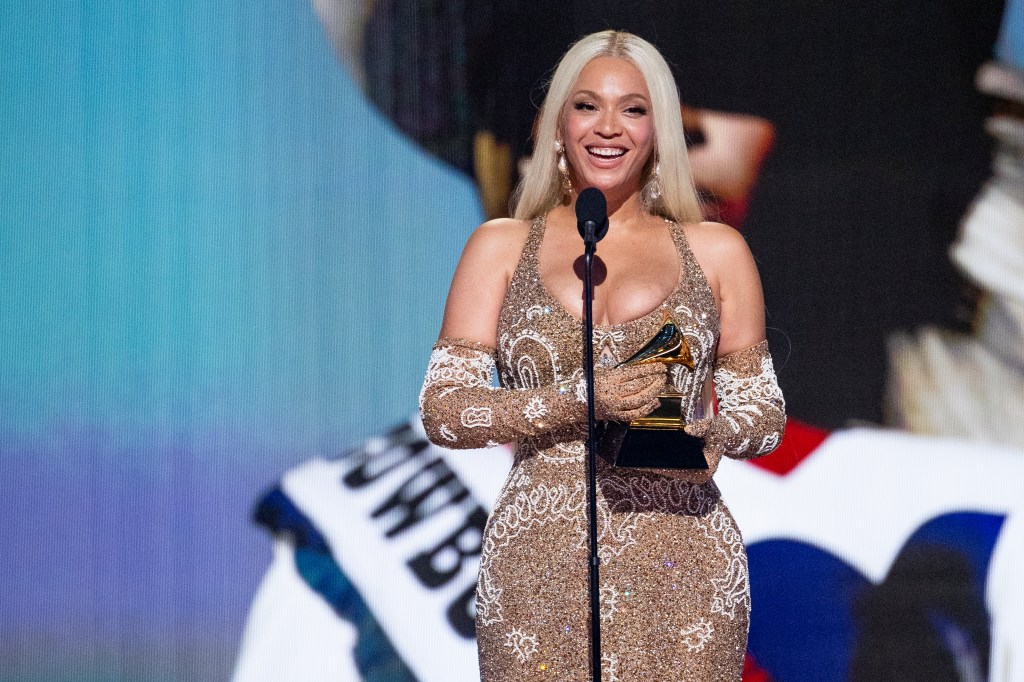
Grammys Viewership Declines: Analyzing the 9% Drop
The recent Grammy Awards showcased a significant moment in the music industry, but not all that glitters is gold. With a reported 9% decrease in viewership, totaling 15.4 million viewers on CBS, this decline has sparked considerable discussion regarding the relevance and future of the Grammys in a rapidly evolving entertainment landscape. As the music industry adapts to changes in how audiences consume content, the implications of this drop are profound and multifaceted.
Understanding the Decline in Viewership
The 9% dip in Grammy viewership is indicative of broader trends affecting televised award shows. To understand what this decline means, we must first examine some of the factors contributing to it:
- Changing Viewing Habits: Audiences, particularly younger viewers, are increasingly gravitating toward streaming platforms and social media for entertainment. This shift has diminished the allure of traditional television events like the Grammys.
- Competition from Alternative Entertainment: With the rise of on-demand content, live events face stiff competition. Many viewers opted for binge-watching their favorite shows or engaging with content on platforms like TikTok and YouTube over tuning into the awards show.
- Perception of Relevance: The Grammys have faced criticism over the years regarding their relevance to current music trends. Many artists and fans have expressed dissatisfaction with the nomination and voting processes, leading to a perception that the awards do not accurately reflect the music industry’s landscape.
The Impact of Social Media
Social media plays a dual role in the decline of Grammy viewership. On one hand, it boosts awareness and engagement surrounding the event; on the other hand, it allows audiences to consume highlights and performances in real-time without watching the entire show. Platforms like Twitter and Instagram have become go-to sources for snippets of performances and behind-the-scenes content, leading many to feel that they don’t need to watch the full broadcast.
In fact, many artists who perform at the Grammys often share their performances on their own channels. This creates a cycle where fans can engage with their favorite artists directly, bypassing traditional media altogether.
What Does a 9% Drop Mean for the Future?
While a 9% drop in viewership may seem alarming, it’s essential to place it in context. The decline may indicate a more extensive trend rather than a singular failure of the Grammys. Here are some thoughts on what this means for the future:
- Adapting to Change: The Grammys need to adapt to the changing landscape by incorporating more digital elements. This could involve live-streaming the event on various platforms, utilizing virtual reality experiences, or even creating interactive elements that engage viewers beyond the television screen.
- Reassessing Nomination Processes: The Academy may need to reconsider how nominees are selected to ensure they reflect diverse music styles and emerging trends. Engaging with the audience and artists more meaningfully could foster a sense of inclusion and relevance.
- Leveraging Partnerships: Collaborating with popular influencers and platforms could help bridge the gap between traditional award shows and modern viewing preferences. By tapping into the audiences of these influencers, the Grammys could rejuvenate interest in the event.
Historical Context of Grammy Viewership
To fully comprehend the implications of this 9% decline, it’s helpful to look at the historical context of Grammy viewership. For decades, the Grammys were a staple in American entertainment, routinely attracting over 20 million viewers. However, as the television landscape evolved, the ratings began to decline steadily.
In recent years, the Grammys have seen varying degrees of success. For example, the 2020 ceremony attracted over 18 million viewers, showcasing that despite fluctuations, there is a dedicated audience. However, the trend is concerning, particularly when viewed alongside other award shows experiencing similar challenges.
Potential Solutions for the Grammys
As the music industry moves forward, the Grammy Awards will need to embrace innovation and creativity to ensure their survival and relevance. Here are some potential strategies:
- Interactive Experiences: Incorporating live polls, fan voting, and real-time engagement through social media during the ceremony could create a more immersive experience for viewers.
- Highlighting Emerging Artists: By giving a platform to lesser-known artists, the Grammys can attract younger audiences who feel represented in the nominations and winners.
- Diverse Genres: Expanding categories to include various music genres and styles could resonate more with today’s eclectic music fans.
The Role of Streaming Services
Streaming services have transformed how music is consumed, leading to changes in how awards shows might be structured. The Grammys could explore partnerships with streaming platforms like Spotify or Apple Music for live events that coincide with the awards, enhancing visibility and accessibility.
Moreover, exclusive content or performances available only on streaming platforms could entice viewers to engage with the Grammys in new ways. This hybrid approach could help bridge the gap between traditional live broadcasts and modern viewing habits.
Conclusion: A Path Forward
While the 9% decline in Grammy viewership raises concerns, it also presents an opportunity for reinvention. By recognizing the changing dynamics of media consumption and embracing innovative strategies, the Grammys can regain their footing in the entertainment industry.
As music continues to evolve, so too must the platforms that celebrate it. The future of the Grammys hinges on its ability to adapt, engage, and remain relevant to a diverse audience. In doing so, the Grammys can ensure they remain a celebrated event in the music calendar for years to come.
See more CNET Live