
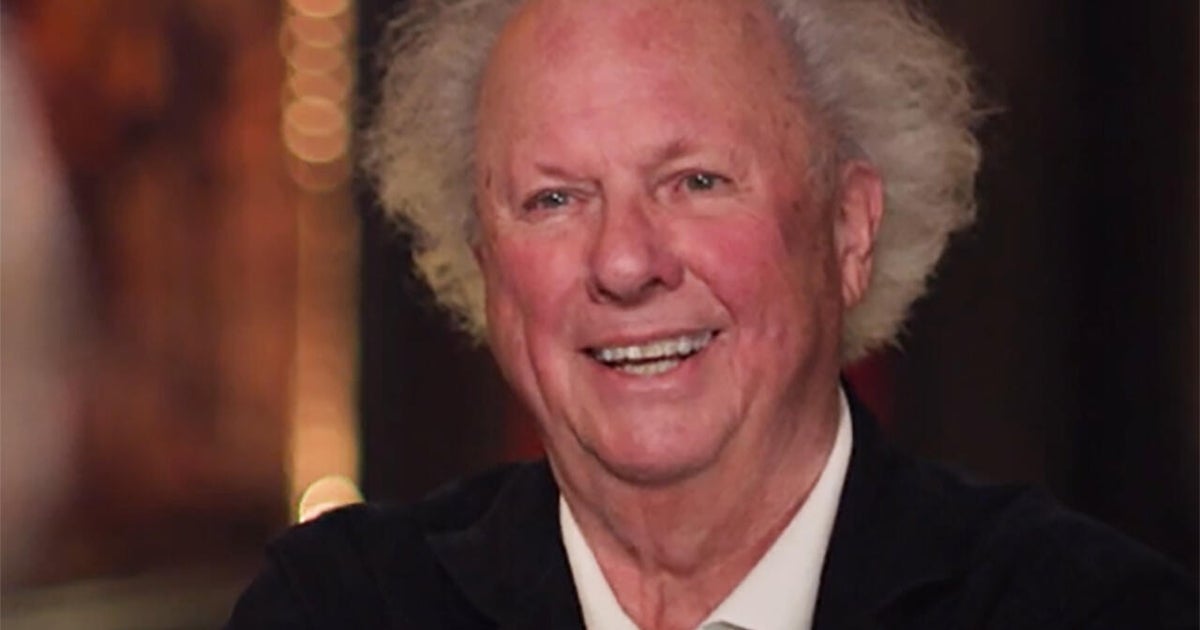
Graydon Carter Reflects on the Golden Era of Media and Celebrity Culture
In an exclusive interview, renowned media figure Graydon Carter offers a profound reflection on the vibrant and transformative years of magazine publishing and celebrity culture. With decades of experience at the helm of iconic publications, including Vanity Fair, Carter has witnessed firsthand the evolution of media and the intricate relationship between the public and celebrity. As the landscape of media continues to shift dramatically, Carter’s insights provide a valuable perspective on the highs and lows of an industry that captivated audiences worldwide.
The Rise of Celebrity Culture
During the late 20th century, the concept of celebrity underwent a significant transformation. The golden era of media was characterized by an insatiable public appetite for celebrity news, driven largely by print magazines. Carter asserts that this period was marked by a unique blend of glamour and accessibility. Magazines became the primary source of celebrity culture, offering an intimate look into the lives of the rich and famous.
“In those days, celebrities were more than just entertainers; they were icons,” Carter explains. “People were fascinated by their lives, their struggles, and their triumphs. The stories we told were about their humanity, which resonated with readers.”
This golden era allowed magazines to create a rich tapestry of narratives that engaged readers beyond mere photos. Features often included personal essays, behind-the-scenes insights, and interviews that delved into the complexities of celebrity life, making stars relatable and multifaceted.
The Role of Editorial Vision
For Carter, editorial vision was paramount to the success of publications during this time. As the editor of Vanity Fair, he curated content that was as much about culture and society as it was about celebrity. He believes that this approach not only captivated readers but also elevated the magazine’s status in the media landscape.
“We weren’t just reporting on celebrities; we were examining the world through their lens,” he notes. “It was about connecting the dots between fame and the cultural conversations of the time.”
Carter’s editorial choices often reflected the zeitgeist, as he featured powerful narratives that explored issues like politics, social justice, and entertainment, resonating deeply with the magazine’s audience. This blend of celebrity and substance became a hallmark of Vanity Fair under his leadership.
The Impact of Technology on Media
As technology advanced, the media landscape began to shift dramatically. The rise of the internet and social media heralded a new era in how audiences consumed content. Carter acknowledges that while this evolution brought about challenges, it also created opportunities for greater engagement.
“The digital age has democratized media in many ways,” he says. “Anyone can be a content creator now, which is both exciting and overwhelming.”
However, Carter also expresses concern over the decline of traditional journalism and the impact of clickbait culture. The pressures to produce content quickly have sometimes compromised the quality and depth of storytelling that characterized the golden era of media.
Celebrity Culture in the Digital Age
According to Carter, the relationship between celebrities and the public has changed significantly due to social media. Platforms like Instagram and Twitter allow celebrities to connect directly with their fans, bypassing traditional media gatekeepers. This shift has created a more personal, albeit sometimes superficial, connection between stars and their audiences.
“Celebrities today have an unprecedented level of access to their fans, but it comes with its own set of challenges,” Carter explains. “The lines between public and private life have blurred, and that can be a double-edged sword.”
Many celebrities now curate their own narratives through social media, controlling how they are perceived. However, this constant exposure can lead to intense scrutiny and pressure, with every misstep magnified in the public eye.
The Future of Media and Celebrity Culture
As Carter reflects on the future of media, he remains optimistic yet realistic about the challenges ahead. He believes that while the golden era of magazine publishing may have passed, new forms of storytelling and engagement will emerge.
“The essence of good storytelling hasn’t changed,” he asserts. “What matters most is the authenticity and relevance of the content.”
Media organizations must adapt to the evolving landscape by embracing innovative formats and platforms while staying true to journalistic integrity. This includes a renewed focus on quality over quantity, providing audiences with meaningful content that fosters understanding and connection.
Lessons Learned from the Golden Era
Graydon Carter’s reflections highlight several key lessons from the golden era of media and celebrity culture:
- Prioritize Quality Storytelling: Engaging narratives are timeless. Quality should always trump speed in journalism.
- Embrace Change: The media landscape evolves rapidly; adapting to new technologies and platforms is crucial for survival.
- Maintain Authenticity: In an age of curated personas, authenticity will resonate more deeply with audiences.
- Understand the Audience: Knowing what your readers want and how they consume content is vital for relevance.
Conclusion
Graydon Carter’s insights provide a fascinating glimpse into the golden era of media and celebrity culture, underscoring the transformative power of storytelling. As the media landscape continues to evolve, the core principles of engagement, authenticity, and quality remain essential. While the challenges are real, Carter’s reflections serve as a reminder that the spirit of connection and the allure of celebrity will always captivate audiences, no matter how the medium changes.
In the end, the golden era may have its nostalgic charm, but the future holds promise for new narratives and innovative ways to engage with the ever-fascinating world of celebrity culture.
See more CNET Live