
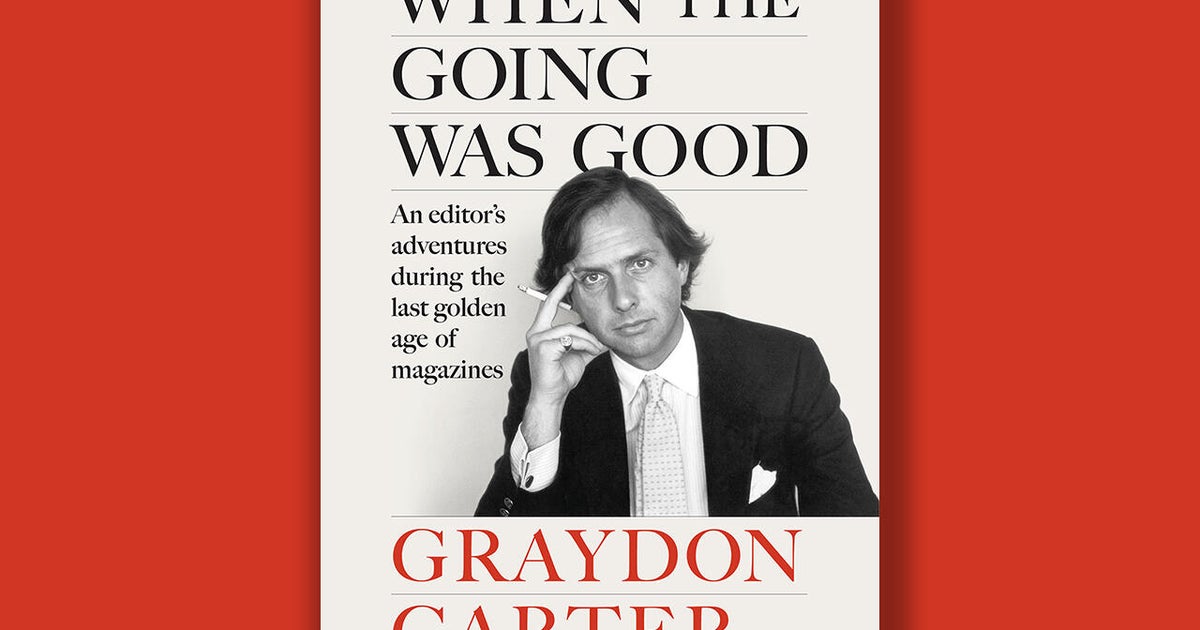
Unveiling the Past: Insights from Graydon Carter’s “When the Going Was Good”
Graydon Carter’s memoir, When the Going Was Good, offers a compelling glimpse into a world that many remember fondly but few have experienced firsthand. Through his sharp prose, Carter paints a vivid picture of an era rich with cultural significance, filled with influential figures and pivotal moments that shaped not only his life but also the landscape of contemporary media. This article delves into key insights from Carter’s narrative, exploring the glamour and grit of a fascinating time.
The Allure of the Golden Age
When Carter reflects on the past, he brings to life the allure of what many consider a golden age—an epoch characterized by elegance, creativity, and audacity. The late 20th century was a period where the convergence of arts, politics, and media created a playground for those who dared to dream big. Carter, as a prominent figure in journalism, had a front-row seat to this spectacle.
His experiences reveal a world where:
- Celebrity Culture: The emergence of the celebrity phenomenon was at its peak. Figures like Andy Warhol and Diane von Furstenberg were not just artists and designers; they were cultural icons shaping societal norms.
- Political Drama: The political landscape was rife with drama, from Watergate to the rise of influential leaders like Bill Clinton, who defined an era through charisma and controversy.
- Media Evolution: The transition from traditional print to a more digital form of media was underway, which Carter navigated with remarkable insight.
This intertwining of culture and media is a recurring theme in When the Going Was Good, as Carter deftly illustrates how these elements influenced public perception and personal identity during this transformative period.
Carter’s Personal Journey
At the heart of Carter’s memoir lies his personal journey—a narrative filled with ambition, challenges, and triumphs. His rise from a young journalist to the editor of Vanity Fair is not just a tale of success; it is a story of perseverance and adaptability. He navigated the complexities of high-stakes journalism while maintaining his integrity and voice.
Throughout the book, Carter emphasizes the importance of mentorship and collaboration. He attributes much of his success to the relationships he forged with influential mentors and peers. These connections were not merely professional; they were deeply personal, impacting his worldview and approach to storytelling. Notably, his interactions with figures such as Tina Brown and Anna Wintour offer readers a glimpse into the dynamics that drive the media industry.
Influential Figures and Pivotal Moments
One of the most captivating aspects of When the Going Was Good is Carter’s portrayal of the influential figures who shaped his experience. From Hollywood legends to political trailblazers, each character contributes to the rich tapestry of his narrative. Here are a few notable personalities highlighted in his memoir:
- Warren Beatty: A quintessential Hollywood star, Beatty’s charisma and ambition served as both an inspiration and a benchmark for Carter’s own aspirations.
- Joan Didion: The literary giant’s unique perspective on culture and politics influenced Carter’s understanding of narrative depth and authenticity.
- David Bowie: The enigmatic musician embodied the spirit of reinvention, resonating with Carter’s own journey of self-discovery within the media landscape.
Carter’s reflections on these figures not only highlight their significance in his life but also underscore their broader impact on society during a time of immense change. Each encounter serves as a reminder of the interconnectedness of personal and cultural history.
The Grit Beneath the Glamour
While Carter’s memoir celebrates the glamour of the era, it does not shy away from the accompanying grit. He candidly discusses the challenges of maintaining relevance in an evolving media landscape. As the digital age began to reshape how stories were told and consumed, Carter faced obstacles that tested his resilience and adaptability.
His insights into the struggles of journalism—issues of integrity, the rise of sensationalism, and the battle for authenticity—are particularly poignant. Carter’s narrative serves as a cautionary tale about the fragility of media integrity in an age where clicks often overshadow substance.
Reflections on Legacy and Impact
Carter’s reflections extend beyond personal anecdotes; they invite readers to consider the legacy of the era he chronicles. The cultural shifts of the late 20th century have left an indelible mark on contemporary society. As we navigate today’s media landscape, Carter’s insights remind us of the importance of critical thinking and the necessity of preserving journalistic ethics.
In When the Going Was Good, Carter not only recounts his experiences but also encourages readers to reflect on their own narratives. What stories will we tell about our time? How will we navigate the intersections of culture and media? These are questions that resonate deeply, urging a collective introspection.
The Relevance of Carter’s Memoir Today
As we delve into the pages of Carter’s memoir, it becomes evident that the themes explored are timeless. The interplay of ambition, creativity, and resilience serves as a blueprint for anyone striving to make their mark in an ever-changing world. Moreover, Carter’s candidness about his experiences provides a sense of authenticity that is often lacking in today’s media narratives.
In a time when the media landscape is increasingly fragmented, Carter’s reflections serve as a powerful reminder of the importance of storytelling—both in its ability to entertain and to inform. His memoir is not just a look back at a bygone era; it is an invitation to engage with the past while considering its implications for the future.
Conclusion: A Journey Worth Taking
In conclusion, Graydon Carter’s When the Going Was Good is more than a memoir; it is a portal into a world of glamour, grit, and profound cultural significance. Through his reflections, we gain insights into the pivotal moments and influential figures that have shaped not only Carter’s life but also the broader narrative of modern media. This exploration of the past encourages us to embrace our stories, learn from our experiences, and continue to seek authenticity in an ever-evolving landscape.
As readers, we are reminded that the past is not merely a series of events; it is a tapestry woven from the threads of individual journeys, cultural milestones, and the relentless pursuit of truth. Graydon Carter’s memoir is a testament to the enduring power of storytelling, inviting us all to unveil our own pasts and share in the collective narrative of humanity.
See more CNET Live