
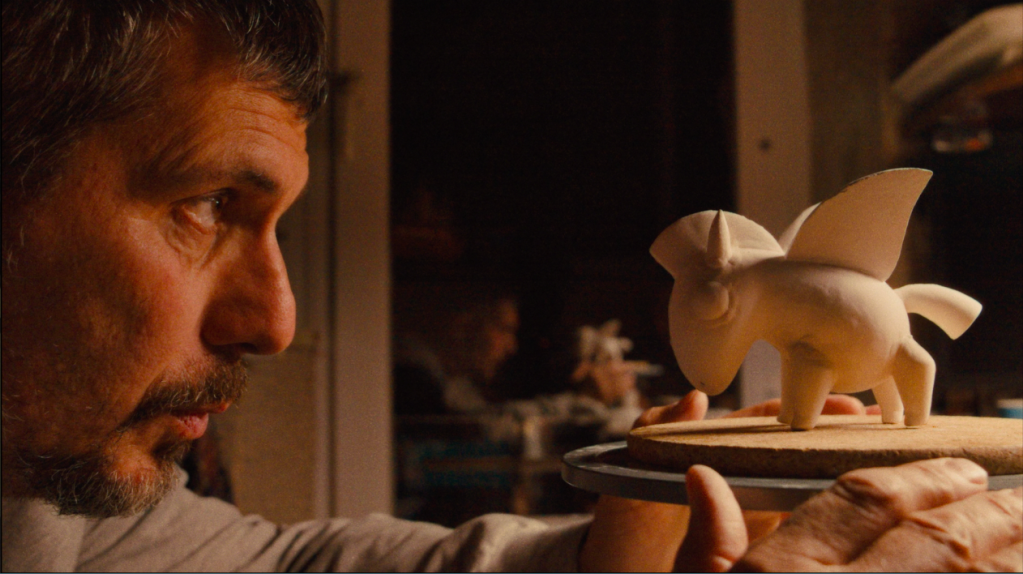
Guillermo del Toro’s Prophetic Insights on ‘Porcelain War’
In a world where the arts often mirror society’s complexities, acclaimed director Guillermo del Toro stands as a beacon of creativity and insight. Recently, he expressed his admiration for the DGA-winning film ‘Porcelain War’, a poignant narrative that captures the struggles and triumphs of artists in a rapidly changing landscape. Del Toro’s reflections on this film are not just a commentary on its artistic merits; they serve as a prophetic warning of the challenges that lie ahead for creators in the industry.
A Celebration of ‘Porcelain War’
‘Porcelain War’ has garnered critical acclaim for its unique storytelling and visual artistry. Directed by a talented visionary, the film encapsulates the delicate balance between fragility and strength, much like the medium it references. Del Toro’s appreciation for the film is evident as he highlights its ability to resonate deeply with audiences, touching on themes of resilience, creativity, and the human spirit.
Del Toro notes that the film transcends mere entertainment; it acts as a mirror reflecting the current state of artistry. In his view, the film’s narrative embodies the struggles of artists who often find themselves caught between personal expression and societal expectations. As he articulates, “Art is a battlefield, and ‘Porcelain War’ captures that essence beautifully.”
The Evolving Landscape of Creativity
Del Toro’s insights extend beyond just the film itself; they delve into the broader implications for artists today. The film industry is experiencing seismic shifts due to technological advancements, changing audience preferences, and the impact of social media. These factors contribute to an environment fraught with challenges, particularly for those striving to maintain their unique voices in a saturated market.
- Technological Disruption: The rise of digital platforms has democratized content creation, allowing more voices to be heard. However, this has also led to an oversaturation of content, making it harder for individual creators to stand out.
- Market Pressures: With the demand for content at an all-time high, artists are often pressured to compromise their vision in favor of commercial viability. This can lead to a dilution of creativity and authenticity.
- Social Media Influence: While social media is a powerful tool for promotion, it can also create an environment where artists feel compelled to cater to trends rather than pursue genuine artistic expression.
Challenges Facing Artists
Del Toro eloquently articulates the anxieties that many artists face today. The pressure to produce content quickly can stifle creativity and lead to burnout. Furthermore, the constant scrutiny of social media can create a toxic environment where artists feel they are never truly free to express themselves.
He emphasizes the importance of resilience and the need for artists to find a supportive community. “Art thrives in connection,” he states. “In these challenging times, it’s crucial for artists to band together, share experiences, and uplift one another.”
Finding Hope in Adversity
Despite the challenges, del Toro remains optimistic about the future of artistry. He believes that the innate human desire for storytelling and connection will always prevail. As he reflects on ‘Porcelain War’, he points out that its success is a testament to the enduring power of authentic narratives. “When artists are true to themselves, they create something that resonates deeply with others,” he explains.
This sentiment is echoed by many contemporary creators who are prioritizing authenticity over commercial success. As audiences become more discerning, they are drawn to works that reflect genuine emotions and experiences. Del Toro believes that this shift presents a unique opportunity for artists to reclaim their voices and tell stories that matter.
The Future of Artistry
Looking ahead, del Toro envisions a future where artistry adapts and evolves in response to societal changes. He foresees a resurgence of grassroots movements that champion independent creators and foster diverse voices. This, he argues, is essential for the vitality of the arts.
- Embracing Diversity: The future of artistry will be defined by inclusivity, where diverse narratives are celebrated and amplified. This shift will enrich the cultural landscape and offer fresh perspectives.
- Interdisciplinary Collaboration: Del Toro predicts an increase in collaborations across different art forms, resulting in innovative and boundary-pushing works that challenge traditional norms.
- Community Engagement: Artists will increasingly engage with their communities, using their platforms to inspire change and address social issues, creating a more meaningful impact.
Conclusion: A Call to Action
Guillermo del Toro’s reflections on ‘Porcelain War’ serve as both a celebration of artistry and a rallying cry for artists facing an uncertain future. His insights remind us that while the road ahead may be fraught with challenges, the power of creativity and community can light the way. As artists navigate this evolving landscape, they must embrace their unique perspectives and remain steadfast in their commitment to authenticity.
Del Toro’s message is clear: the future of artistry is not just about surviving but thriving. By supporting one another and staying true to their vision, artists can continue to create profound works that resonate across generations. In the end, it is this unwavering spirit of creativity that will shape the future of the arts, ensuring that even in the face of adversity, the human story remains vibrant and alive.
See more CNET Live