
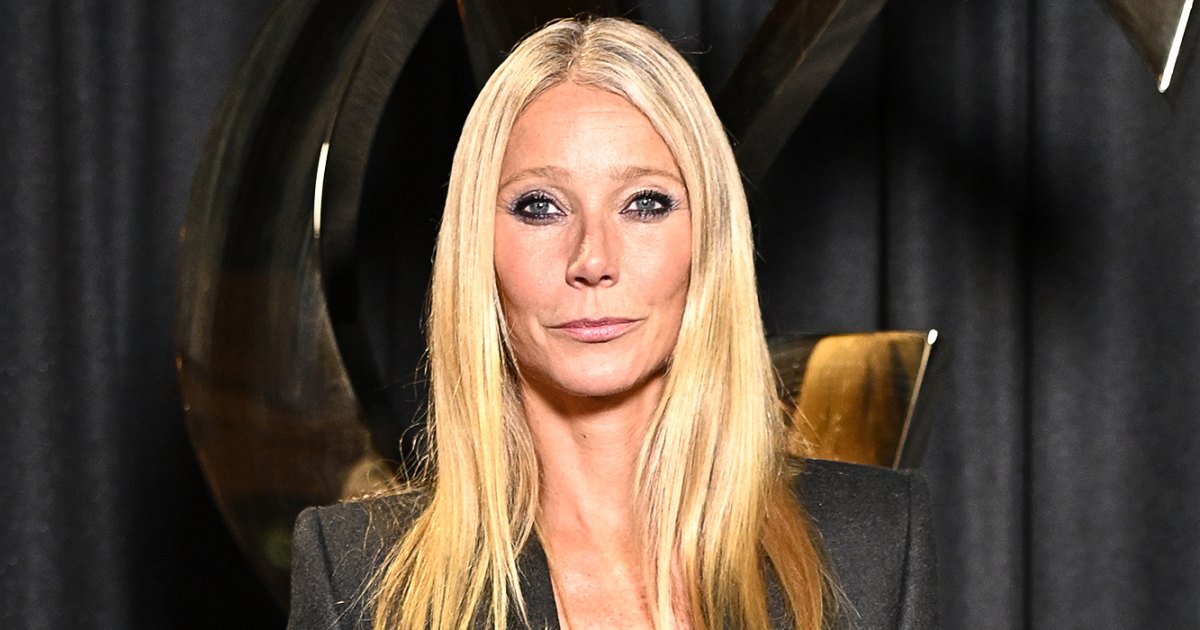
Gwyneth Paltrow’s Controversial Comments on Intimacy Coordination Ignite Backlash
Recently, actress and entrepreneur Gwyneth Paltrow found herself at the center of a heated debate sparked by her comments regarding intimacy coordinators in the film industry. These remarks have ignited backlash from various corners of the entertainment world, raising significant questions about the evolving standards of consent, professionalism, and the role of intimacy coordinators in Hollywood.
The Context of the Comments
Paltrow, known for her roles in films such as “Shakespeare in Love” and “The Iron Man” series, has often been a polarizing figure. Her latest comments came during a podcast interview where she discussed the necessity and impact of intimacy coordinators on set. Paltrow suggested that the presence of these professionals could sometimes hinder the organic chemistry between actors, implying that their involvement might be an overreach in the creative process.
Intimacy coordinators emerged in response to the growing recognition of the need for safety and consent during intimate scenes in film and television. Their role is to ensure that all parties involved are comfortable and that boundaries are respected, which is crucial in an industry that has faced numerous allegations of misconduct.
Understanding Intimacy Coordination
To grasp the significance of Paltrow’s comments, it’s essential to understand what intimacy coordinators do. These professionals work closely with directors, actors, and production teams to choreograph intimate scenes, ensuring that they are executed safely and consensually. Their responsibilities include:
- Establishing clear consent before any intimate scenes are shot.
- Choreographing scenes to maintain comfort levels for all actors.
- Addressing any concerns or discomforts actors may have during filming.
- Providing a structured environment where dialogue about consent can occur.
By establishing these protocols, intimacy coordinators help create a culture of respect and professionalism on set, contrasting sharply with the often chaotic and unregulated environments that have historically prevailed in Hollywood.
The Backlash: A Divided Response
Paltrow’s comments have drawn a mixed response from the industry and fans alike. Critics argue that her perspective undermines the vital work of intimacy coordinators and may reflect a misunderstanding of their purpose. Many contend that the inclusion of these professionals is not about stifling creativity but rather about fostering a safe space for all performers.
On social media platforms, numerous actors and industry insiders voiced their disagreement with Paltrow’s stance. Some highlighted how intimacy coordinators enable actors to perform their roles authentically while feeling secure and supported. For instance, actress Jessica Chastain tweeted her support for the role of intimacy coordinators, emphasizing that they allow for more honest portrayals of intimacy.
Perspectives on Consent and Professionalism
The backlash against Paltrow’s comments opens up a broader discussion about consent and professionalism in Hollywood. The entertainment industry has undergone significant transformations in recent years, particularly following the #MeToo movement, which spotlighted issues of harassment and abuse.
As audiences become more aware of the complexities surrounding consent, the demand for transparency and safety on film sets has increased. Intimacy coordinators are a direct response to this demand, embodying a shift toward more ethical practices in film production. Their presence is seen as a necessary evolution in an industry that has historically overlooked the emotional and physical well-being of its performers.
What This Means for the Future of Filmmaking
As the conversation surrounding intimacy coordination continues, it raises questions about how filmmakers will approach intimate scenes in the future. The inclusion of intimacy coordinators could lead to:
- Greater Awareness: Filmmakers may become more attuned to the needs and concerns of actors, fostering a culture of empathy and understanding.
- Enhanced Creativity: With a structured approach to intimate scenes, actors may feel freer to explore their characters without the fear of crossing personal boundaries.
- Industry Standards: The role of intimacy coordinators could become a standard practice, similar to the way stunt coordinators are utilized, promoting safety and professionalism across the board.
What Can Be Learned?
Paltrow’s controversial remarks highlight a significant tension between traditional artistic freedoms and the modern demands for consent and safety in creative environments. While some may see intimacy coordinators as an impediment to artistic expression, others recognize them as essential to ensuring that all performers can engage in their craft without fear or discomfort.
Ultimately, this dialogue serves as a reminder that the film industry is continuously evolving. The push for greater accountability and respect on set is not merely a trend but a necessary progression toward a more inclusive and safe environment for all artists.
Conclusion: A Path Forward
The backlash against Gwyneth Paltrow’s comments on intimacy coordination is not just about differing opinions; it reflects a crucial conversation about the future of intimacy in filmmaking. As Hollywood grapples with these evolving standards, the role of intimacy coordinators will likely become increasingly integral to the production process. The hope is that through these discussions, the industry can strike a balance between creative expression and the imperative of mutual respect and consent.
As audiences, we should support the continued development of these practices and advocate for a film industry that prioritizes the well-being of its performers. Only then can we ensure that the stories told on screen are both authentic and respectful of the individuals who bring them to life.
See more CNET Live