
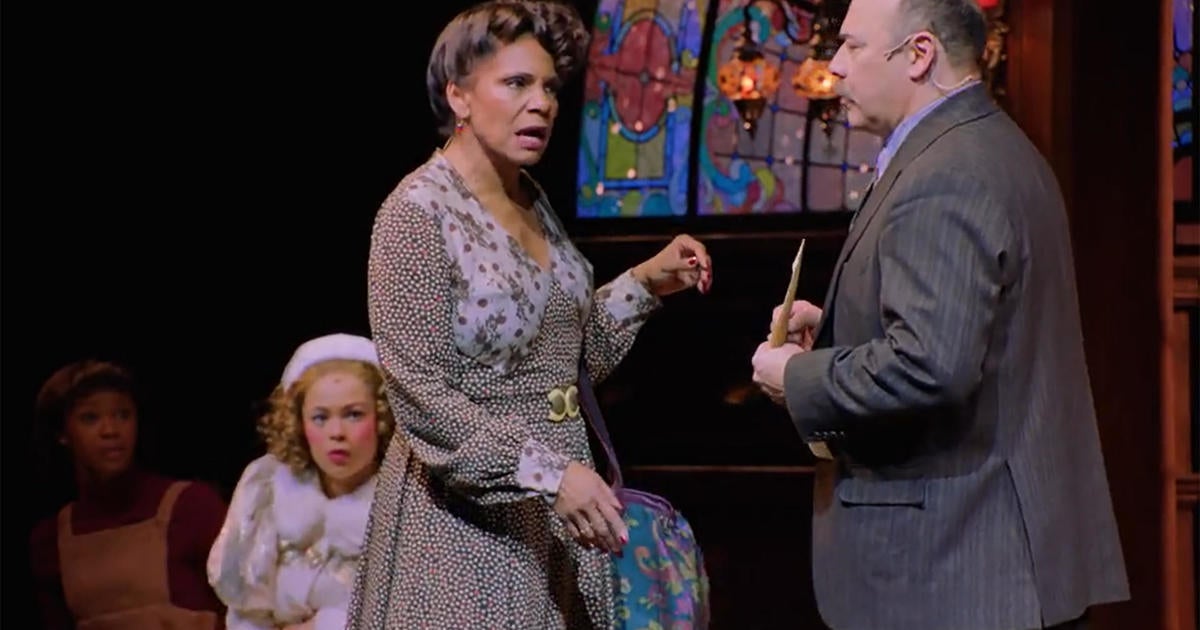
Exploring the Complex Legacy of “Gypsy” on Broadway
Broadway has long been a stage for powerful stories that resonate with audiences across generations. One such story is that of “Gypsy,” a musical that delves into the intricate relationship between a fiercely ambitious mother and her aspiring daughter. This production, inspired by the life of legendary burlesque performer Gypsy Rose Lee and her tumultuous relationship with her mother, has become a defining piece of American theater. As we explore its legacy, we uncover the multifaceted aspects of “Gypsy,” including its historical context, themes of ambition and sacrifice, and its enduring impact on the world of theater.
The Historical Context of “Gypsy”
“Gypsy” premiered on Broadway in 1959 with music by Jule Styne, lyrics by Stephen Sondheim, and a book by Arthur Laurents. The musical is based on the memoirs of Gypsy Rose Lee, whose life story serves as both a cautionary tale and an inspiring journey. Set against the backdrop of the early 20th century vaudeville scene, “Gypsy” captures a time when show business was rapidly evolving, and the pursuit of fame could come at a great personal cost.
The character of Mama Rose, portrayed as a relentless and often ruthless stage mother, reflects the societal pressures of the time. She embodies the archetype of the ambitious parent, sacrificing her own desires for the sake of her children’s success. The musical’s portrayal of this dynamic raises important questions about parental ambition, the cost of success, and the nature of love.
Real-Life Inspirations
The creation of “Gypsy” was deeply influenced by the real-life struggles of Gypsy Rose Lee and her family. Lee’s relationship with her mother, Rose, was fraught with tension, as Rose’s relentless pursuit of success for her daughters often overshadowed their individual aspirations. This complex familial relationship is at the heart of “Gypsy,” where the line between nurturing and controlling becomes blurred.
The musical not only brings to life the story of Gypsy Rose Lee but also reflects broader themes found in the lives of many individuals in the entertainment industry. The pressure to succeed, the sacrifices made for fame, and the often tumultuous family dynamics experienced by performers create a narrative that resonates with audiences, making it a timeless classic.
Thematic Analysis
“Gypsy” is rich in themes that explore ambition, identity, and the pursuit of the American Dream. At its core, the musical scrutinizes the sacrifices made in the name of success. Mama Rose’s unyielding determination to push her daughters into the spotlight raises questions about the ethics of ambition and the cost of fame.
- Ambition and Sacrifice: Mama Rose’s character serves as a powerful embodiment of ambition. Her single-minded focus on achieving success for her daughters often leads to emotional and psychological turmoil for them. This theme prompts audiences to consider the sacrifices they are willing to make for their own ambitions.
- The Illusion of Success: “Gypsy” also critiques the notion of the American Dream. While Mama Rose believes that success in show business will bring happiness, the reality is far more complex. The musical presents a sobering view of the fleeting nature of fame and the personal costs associated with it.
- Mother-Daughter Dynamics: The relationship between Mama Rose and Gypsy Rose Lee serves as a microcosm for the struggles many families face. It raises questions about control, love, and the fine line between support and manipulation.
Sondheim’s Contributions
Stephen Sondheim’s lyrics in “Gypsy” are some of the most celebrated in musical theater. His ability to capture the emotional depth of the characters through song has left a lasting impact on the genre. Numbers like “Everything’s Coming Up Roses” and “Rose’s Turn” showcase both the exuberance and the despair of Mama Rose’s journey, highlighting Sondheim’s skill in blending complex emotions with captivating melodies.
The Enduring Impact of “Gypsy”
Since its debut, “Gypsy” has been revived numerous times and adapted for film and television, solidifying its place as a cornerstone of American musical theater. Its themes continue to resonate with new generations, prompting discussions about ambition, family dynamics, and the nature of success.
The musical has inspired countless productions, including notable revivals featuring acclaimed actresses such as Ethel Merman, Angela Lansbury, and Patti LuPone, each bringing their unique interpretation to the iconic role of Mama Rose. These performances have not only showcased the musical’s versatility but also its ability to adapt to the changing landscape of theater.
Broader Implications in the Arts
The story of “Gypsy” extends beyond the realm of theater and into broader cultural conversations about the roles of women, the nature of ambition, and the complexities of familial relationships. The legacy of the musical invites reflection on the sacrifices individuals make in the pursuit of their dreams and the societal expectations placed upon them.
Moreover, “Gypsy” serves as a precursor to contemporary discussions about the impact of fame and the responsibilities of parents in nurturing their children’s aspirations. In today’s world, where social media and reality television amplify the quest for stardom, the themes of “Gypsy” remain ever-relevant.
Conclusion
“Gypsy” is more than just a Broadway musical; it is a poignant exploration of ambition, sacrifice, and the intricate dynamics of family relationships. As audiences continue to engage with its powerful narrative and unforgettable music, the legacy of “Gypsy” endures, reminding us of the complexities behind the curtain of show business. The story of Mama Rose and Gypsy Rose Lee serves as a timeless reflection on the pursuit of dreams, the impact of parental ambition, and the costs associated with the quest for success.
See more CNET Live