
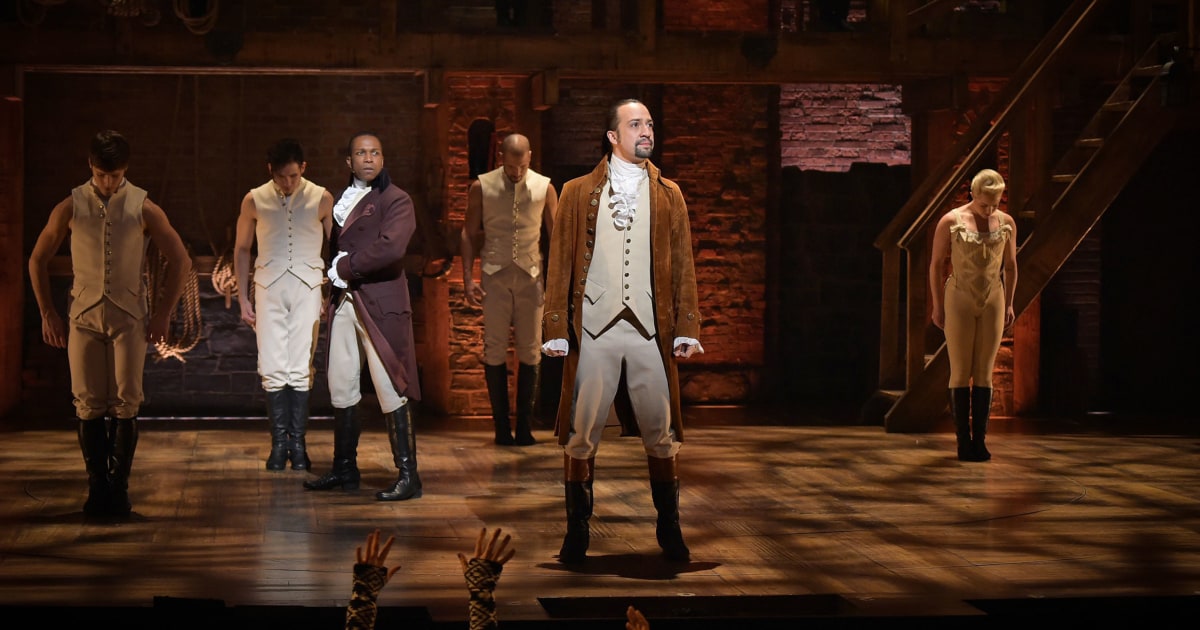
Hamilton Pulls the Curtain on 2026 Kennedy Center Performance: An Unexpected Decision
The highly acclaimed Broadway musical Hamilton has officially announced the cancellation of its much-anticipated performance at the Kennedy Center in 2026. This surprising move has left fans and industry experts alike in a state of speculation, prompting questions about the motivations behind the decision and what it means for the future of live theater in a post-pandemic world. As the curtain falls on this chapter, we delve into the implications of this cancellation and explore the broader context of the theater industry today.
Understanding the Decision Behind the Cancellation
When a production as celebrated as Hamilton cancels a performance, it’s natural for audiences to wonder why. Several factors could contribute to this decision, ranging from logistical challenges to shifting audience dynamics. Here are some possible reasons behind the cancellation:
- Post-Pandemic Recovery: The theater industry has faced unprecedented challenges due to the COVID-19 pandemic. Many productions struggle to regain their footing, with fluctuating ticket sales and changing audience behaviors. Hamilton may have made the decision to prioritize its overall health and sustainability over a single performance.
- Financial Considerations: Productions often weigh the financial viability of performances, especially in today’s uncertain economic climate. If projected ticket sales fell short of expectations, the decision to cancel might have been a prudent financial move.
- Artistic Direction: The creative team behind Hamilton might also be considering a shift in artistic direction or a desire to refresh the production before it resumes touring. This could involve reworking elements of the show to resonate with a changing audience.
- Logistical Challenges: Scheduling conflicts, cast availability, and other logistical concerns could also play a role in this decision. The complex nature of touring productions means that sometimes dates simply don’t align.
The Impact on Fans and the Theater Community
The cancellation of Hamilton at the Kennedy Center is more than just a logistical decision; it carries emotional weight for fans who were eagerly anticipating the performance. For many, this musical represents a cultural phenomenon that has redefined modern theater. Here’s how the cancellation resonates within the community:
- Emotional Response: Fans who had planned to attend the performance are likely feeling a mix of disappointment and confusion. Hamilton has become a beloved part of American culture, and its absence from the Kennedy Center stage is felt deeply.
- Community Engagement: The Kennedy Center has long been a hub for the arts, and Hamilton would have played a significant role in drawing audiences to the venue. The cancellation raises questions about how the Kennedy Center will continue to engage its community and attract audiences in the future.
- Broadway’s Recovery: The theater community as a whole is still in recovery mode. The cancellation of such a high-profile performance could signal broader challenges facing the industry, including how to adapt to new norms and maintain audience engagement.
Exploring the Future of Live Theater
While the cancellation of Hamilton at the Kennedy Center certainly raises eyebrows, it also opens up discussions about the future of live theater. As we look ahead, several trends and considerations will shape this evolving landscape:
The Rise of Digital and Hybrid Performances
One notable trend is the increasing popularity of digital and hybrid performances. The pandemic forced many productions to pivot to virtual platforms, and this trend may continue as audiences seek flexibility in how they experience theater. Aspects of Hamilton could potentially be reimagined for digital formats, allowing for broader access while maintaining the integrity of the live experience.
Audience Engagement Strategies
The theater industry must continue to innovate in engaging audiences. This includes diversifying programming, offering more inclusive performances, and creating interactive experiences that resonate with a wider demographic. The success of Hamilton was largely due to its ability to connect with diverse audiences; future productions should strive to replicate this success.
Resilience and Adaptability
The ability of theater companies to adapt will be crucial in the coming years. This includes embracing new technologies, rethinking traditional performance models, and understanding audience needs. As we’ve seen with Hamilton, the industry must be willing to make tough decisions to ensure long-term sustainability.
Conclusion: A New Chapter for Hamilton and the Theater Community
While the cancellation of Hamilton at the Kennedy Center in 2026 certainly shocked fans, it also invites a broader conversation about the current state and future of live theater. As the industry continues to navigate the complexities of a post-pandemic world, it’s vital to remain optimistic and open to change. The arts have always found a way to persevere, and with careful planning and innovation, the theater community can emerge even stronger.
As we await further announcements regarding Hamilton and other productions, one thing is clear: the love for theater remains undiminished. Audiences will continue to seek out transformative experiences, and the industry must rise to meet this demand, ensuring that the magic of live performance thrives for generations to come.
See more CNET Live