
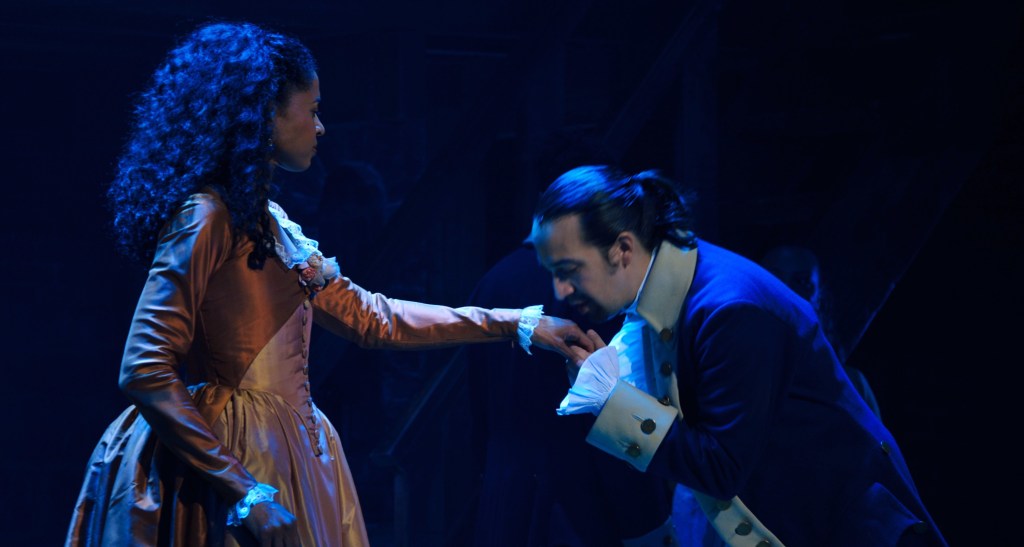
Hamilton’s Kennedy Center Engagement Canceled: The Clash of Art and Politics
In a surprising turn of events, the producers of the revolutionary musical Hamilton have announced the cancellation of its much-anticipated engagement at the Kennedy Center. This decision, which has sent ripples through both the artistic and political communities, raises significant questions about the relationship between artistic expression and political influence in prominent cultural institutions. The cancellation not only impacts the cast and crew involved but also illustrates a broader dialogue surrounding the role of art in society.
The Background of Hamilton
Since its debut in 2015, Hamilton, created by Lin-Manuel Miranda, has become a cultural phenomenon. Combining hip-hop, R&B, and traditional show tunes, the musical tells the story of Alexander Hamilton, one of America’s Founding Fathers. Its innovative approach to storytelling and representation has garnered critical acclaim and a devoted fanbase. Moreover, the show has sparked conversations about historical narratives, race, and power dynamics in America.
The Kennedy Center, a prestigious venue in Washington, D.C., was set to host Hamilton as part of its national tour, promising to bring the story of America’s history to a new audience in the heart of the nation’s capital. However, the sudden cancellation has left many wondering about the underlying factors driving this decision.
The Intersection of Art and Politics
The decision to cancel the engagement at the Kennedy Center highlights a critical intersection between art and politics. Cultural institutions often serve as platforms for artistic expression, but they also navigate the complexities of political sentiments and public opinion. In recent years, the political landscape in the United States has become increasingly polarized, influencing various forms of art and entertainment.
Many artists and creators, including those behind Hamilton, have used their work to comment on social issues, challenge injustices, and provoke thought. However, when art enters the political arena, it can attract scrutiny and controversy. This cancellation raises important questions about the extent to which political pressures can influence artistic endeavors.
The Role of Cultural Institutions
Cultural institutions like the Kennedy Center play a vital role in shaping the arts landscape. They are tasked with promoting diverse voices and providing access to a wide range of artistic expressions. However, these institutions also operate within a framework that is susceptible to political influences. The decision to cancel Hamilton could be seen as a response to various pressures, including:
- Public Sentiment: As public opinion shifts, cultural institutions may feel compelled to align their programming with the prevailing sentiments of their audiences.
- Political Climate: The current political environment can heavily influence decisions made by cultural organizations, especially those funded by government entities.
- Funding Concerns: Many cultural institutions rely on public funding or donations, which can be affected by political considerations. This reliance can lead to cautious programming choices.
The Impact of the Cancellation
The cancellation of Hamilton at the Kennedy Center sends a strong message about the potential consequences of politicizing art. It not only deprives audiences of experiencing a groundbreaking work but also raises concerns about the future of artistic expression in a politically charged environment. Here are some potential impacts:
- Loss of Artistic Opportunities: The cancellation may limit opportunities for artists, actors, and crew members involved in the production, affecting their livelihoods and careers.
- Discouraging Future Art: Such decisions can create a chilling effect, where artists may hesitate to explore politically charged themes for fear of backlash or cancellation.
- Public Discourse: The situation encourages discussions about the role of art in society and how cultural institutions manage the intersection of art and politics.
Responses from the Community
In the wake of the cancellation, reactions have poured in from various stakeholders, including artists, politicians, and audience members. Many have expressed disappointment, emphasizing the importance of Hamilton as a vehicle for dialogue and education about American history and identity.
Lin-Manuel Miranda himself has been an outspoken advocate for the power of art to inspire change. In previous statements, he has highlighted the importance of storytelling in shaping how we understand our past and envision our future. The cancellation has reignited discussions about the responsibility of artists to engage with political issues, as well as the responsibility of institutions to support diverse narratives.
Looking Ahead: The Future of Art in a Political Landscape
As we reflect on the implications of Hamilton’s cancellation at the Kennedy Center, it’s crucial to consider the future of art in a world where political influences are ever-present. While challenges exist, there are also opportunities for growth and resilience within the artistic community.
Artists can continue to push boundaries and engage with pressing societal issues, using their platforms to foster dialogue and inspire action. Cultural institutions, in turn, must strive to uphold their commitments to artistic expression and diversity, ensuring that they remain spaces for creativity and critical thought.
Conclusion
The cancellation of Hamilton at the Kennedy Center serves as a poignant reminder of the delicate balance between art and politics. As audiences and artists navigate this complex landscape, it is essential to advocate for the freedom of expression and the importance of cultural institutions as bastions of creativity. In doing so, we can ensure that art continues to thrive as a powerful force for change, reflection, and understanding in our society.
See more CNET Live