
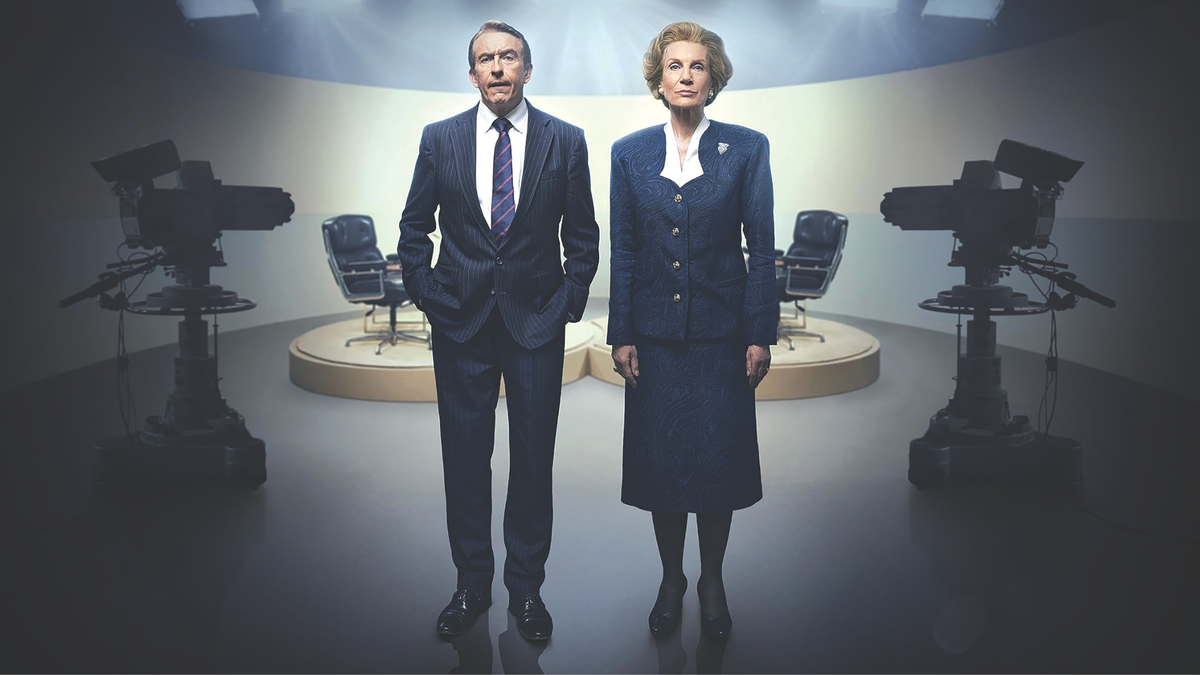
Unveiling the Complexity: Harriet Walter’s Portrayal of Margaret Thatcher
In the realm of theatre and film, portraying real-life figures demands not just an understanding of their public personas but also a nuanced comprehension of their private complexities. Harriet Walter’s portrayal of Margaret Thatcher is a case in point, shedding light on the multifaceted nature of the Iron Lady. Through this riveting exploration, Walter delves into the layers behind Thatcher’s formidable public image, capturing both her strengths and vulnerabilities. This article aims to analyze the depth of Walter’s portrayal, discuss the implications for leadership, and reflect on Thatcher’s legacy.
Understanding the Iron Lady: Margaret Thatcher’s Legacy
Margaret Thatcher, the United Kingdom’s first female Prime Minister, served from 1979 to 1990. She was a polarizing figure, often celebrated for her strong stance against communism and her economic reforms while simultaneously criticized for her policies that many believed exacerbated social inequality. Her leadership style was characterized by determination, conviction, and a unique ability to navigate the male-dominated political landscape of her time.
Thatcher’s legacy is complex; she is remembered not only for her political achievements but also for her role as a trailblazer for women in politics. However, her approach to governance often drew fire, leading to widespread protests and a divided populace. Walter’s portrayal endeavors to capture this dichotomy, providing a compelling glimpse into the woman behind the iron mask.
Harriet Walter: A Talented Interpreter of Complex Characters
Harriet Walter, an accomplished actress renowned for her versatility, brings to life characters with emotional depth and authenticity. Her ability to connect with complex figures makes her an ideal choice for portraying Thatcher. Walter’s performance is not merely an imitation of Thatcher’s public persona; it is an exploration of the nuances that shaped the Iron Lady’s decisions and the emotional toll of leadership.
Walter’s portrayal invites the audience to witness Thatcher not just as a political powerhouse but as a woman grappling with personal challenges, fears, and insecurities. This layered interpretation encourages viewers to reconsider their perceptions of leadership and the sacrifices often made at the altar of power.
The Complexity of Leadership: Strengths and Vulnerabilities
One of the most striking aspects of Walter’s portrayal is the balance between Thatcher’s undeniable strengths and her vulnerabilities. The Iron Lady was known for her steely resolve and uncompromising nature, qualities that helped her navigate turbulent political waters. However, Walter’s performance also highlights the personal costs of such steadfastness.
- Strengths:
- Decisiveness: Thatcher’s ability to make tough decisions, often in the face of backlash, is a testament to her leadership style.
- Visionary Policies: Her economic policies transformed the British economy, promoting free market principles and privatization.
- International Influence: Thatcher’s role in the Cold War, particularly her partnership with President Reagan, cemented her status as a global leader.
- Vulnerabilities:
- Isolation: Thatcher’s uncompromising nature often led to political isolation, even among her allies.
- Emotional Strain: The weight of leadership took a toll on her personal life, affecting her relationships with family and friends.
- Public Criticism: Her policies drew intense scrutiny, leading to protests and challenges that tested her resolve.
Walter’s portrayal allows audiences to empathize with Thatcher’s position, understanding that even the strongest leaders face personal trials. This perspective is crucial for contemporary discussions about leadership, as it emphasizes the need for emotional intelligence and vulnerability in positions of power.
Challenging the Norm: Gender and Leadership
Thatcher’s rise to power was groundbreaking, and Walter’s portrayal underscores the challenges she faced as a woman in a predominantly male arena. The intersection of gender and leadership is a recurring theme in Walter’s performance, prompting discussions about the societal expectations placed on female leaders.
Walter’s nuanced interpretation reveals how Thatcher navigated these challenges, often adopting a masculine demeanor to assert her authority. This portrayal raises important questions about the nature of leadership and whether qualities traditionally associated with femininity, such as empathy and collaboration, could have altered Thatcher’s approach.
The Impact of Walter’s Performance on Perceptions of Thatcher
Harriet Walter’s portrayal of Margaret Thatcher serves not only as a lens through which to view the Iron Lady but also as a catalyst for broader discussions about leadership in general. By revealing the complexities of Thatcher’s character, Walter encourages audiences to reconsider their preconceived notions about political leaders.
The performance has sparked conversations about:
- Leadership Styles: How different approaches to leadership can affect decision-making and public perception.
- Historical Context: Understanding the socio-political landscape of Thatcher’s time and its influence on her policies.
- Legacy and Memory: How narratives around leaders are constructed and the importance of recognizing their complexities.
Conclusion: A Legacy Reimagined
Harriet Walter’s portrayal of Margaret Thatcher is a profound exploration of a complex figure who reshaped the political landscape of the United Kingdom. By unveiling the layers behind Thatcher’s formidable exterior, Walter invites audiences to reflect on the intricacies of leadership, the challenges of being a trailblazer, and the human experience that underlies public personas.
This portrayal not only honors Thatcher’s legacy but also challenges us to think critically about what it means to lead. In a world that often seeks clear-cut heroes and villains, Walter’s nuanced interpretation reminds us that the truth of leadership lies in its complexity—a lesson that remains relevant across generations and political landscapes.
Ultimately, Harriet Walter’s performance is a testament to the power of storytelling in shaping our understanding of historical figures. Through her lens, we see Margaret Thatcher not merely as the Iron Lady but as a multifaceted individual whose legacy continues to resonate, prompting ongoing discussions about leadership, gender, and the weight of power.
See more CNET Live