
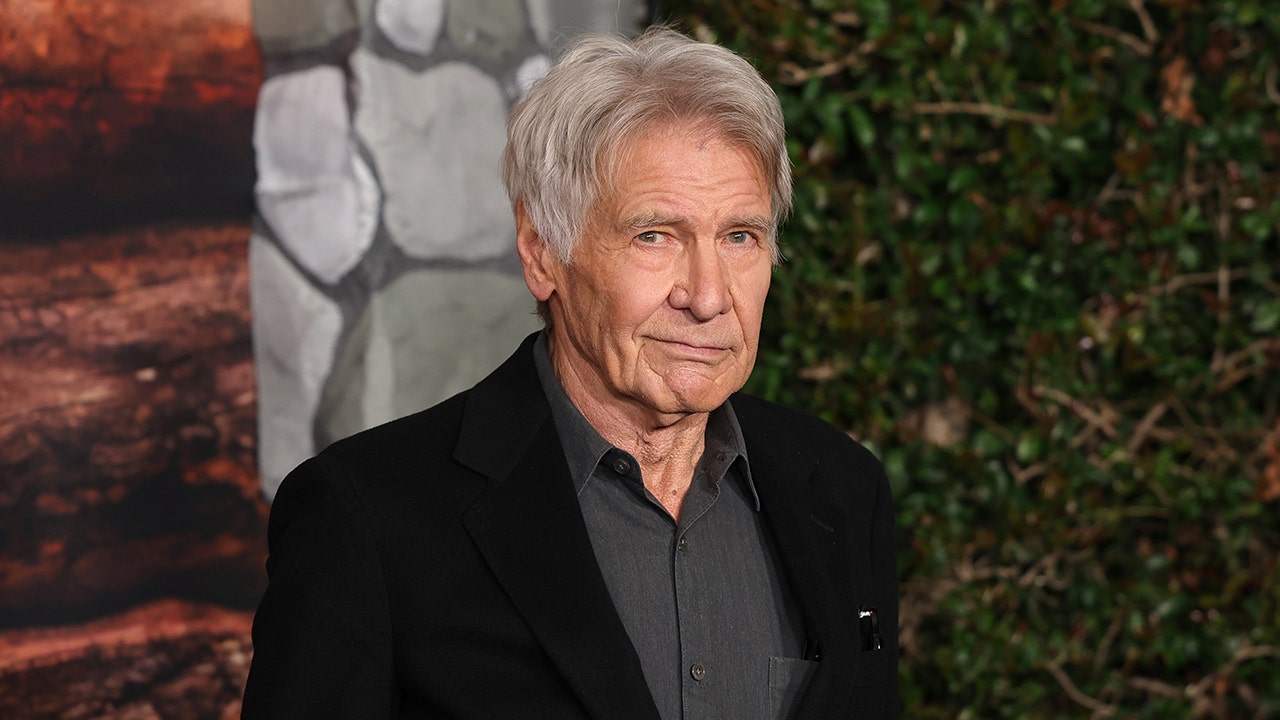
Harrison Ford Addresses AI Concerns: “It Can’t Steal My Soul”
In a world increasingly dominated by technology, the rise of artificial intelligence (AI) has sparked intense debates about its implications, particularly in creative fields like film and television. Recently, acclaimed actor Harrison Ford took the opportunity to voice his thoughts on the matter, confidently proclaiming, “It can’t steal my soul.” His remarks resonate deeply in an era where many are apprehensive about AI’s potential to overshadow human creativity and emotional depth.
The Context of Ford’s Remarks
Ford’s comments come as AI technologies, such as generative models and deep learning algorithms, continue to advance. These technologies are capable of creating scripts, generating visual art, and even mimicking human voices, raising concerns among artists and creators. Ford, known for his iconic roles in films like *Star Wars* and *Indiana Jones*, brings a unique perspective to the conversation, combining decades of experience in Hollywood with a keen awareness of the evolving landscape of entertainment.
During a recent interview promoting his latest film, Ford reflected on the creative process and the essence of what it means to be an artist. “AI can replicate patterns and produce outputs based on data, but it cannot replicate the human experience, the emotions, and the spirit that drive true artistry,” he asserted. This sentiment underscores a crucial distinction: while AI can mimic certain aspects of creativity, it fundamentally lacks the inherent qualities that define human expression.
The Human Element in Creativity
At the heart of Ford’s argument is the belief that creativity is not merely a mechanical process but a deeply personal and emotional journey. Artists draw upon their experiences, feelings, and perspectives to create work that resonates with others on a fundamental level. This human essence, Ford argues, is something that AI cannot capture. He stated, “Every performance I give is a piece of my life, my heart. No machine can steal that.” This perspective invites us to consider the irreplaceable value of the human touch in art.
Concerns About AI in the Entertainment Industry
The entertainment industry is at a crossroads, grappling with the rapid integration of AI technologies. Here are some common concerns that have emerged:
- Job Displacement: Many industry professionals fear that AI will replace jobs, particularly in roles such as screenwriting, directing, and even acting.
- Loss of Authenticity: There is anxiety that AI-generated content lacks the authenticity and emotional depth that human creators bring to their work.
- Creative Limitations: Critics argue that AI, while capable of generating content, is limited to existing data and cannot innovate or create genuinely new ideas.
- Ethical Implications: The use of AI raises ethical questions about ownership and the rights of creators versus machines.
Ford’s statement addresses these concerns head-on, suggesting that while AI may be powerful, it cannot replace the unique qualities that define human artists. Instead of viewing AI as a threat, he encourages a collaborative approach where technology enhances rather than diminishes human creativity.
The Role of AI as a Tool
Ford’s perspective aligns with a growing trend in the creative industry: viewing AI as a tool rather than a competitor. In this light, AI can assist artists by streamlining certain processes, allowing them to focus more on the creative aspects of their work. For instance, AI can help with:
- Script Analysis: Analyzing scripts for pacing and structure, providing insights that can help writers improve their narrative.
- Visual Effects: Enhancing visual storytelling through advanced graphics and effects that were previously time-consuming and costly.
- Audience Engagement: Analyzing viewer preferences and trends, helping creators tailor content to meet audience demands.
By embracing AI as a collaborative partner, artists can leverage its capabilities to enhance their work while maintaining the emotional core that defines true artistry.
The Future of Human Creativity
As the discussion around AI continues to evolve, it’s essential to remember that the future of creativity lies in the balance between technology and human expression. Ford’s assertion that “it can’t steal my soul” serves as a reminder that the essence of creativity is rooted in the human experience. While AI can assist and augment, it cannot replace the profound emotional connections that artists forge with their audiences.
Moreover, this dialogue opens the door for new forms of artistic expression that blend human creativity with technological innovation. As artists explore the possibilities of AI, we may witness the emergence of hybrid art forms that challenge our understanding of creativity itself.
Conclusion: Embracing the Human Spirit
Harrison Ford’s remarks encapsulate a hopeful outlook on the intersection of AI and the arts. His belief that technology cannot diminish the human soul speaks to a broader understanding of what it means to create. As we navigate this uncharted territory, it’s crucial for artists, technologists, and audiences alike to engage in an open dialogue about the role of AI in our lives.
As we move forward, let us remember that while tools may change, the heart of creativity remains steadfast. The unique experiences, emotions, and perspectives that define the human spirit will always find a way to shine through, even in a world increasingly influenced by artificial intelligence. In the end, it’s this spirit that will continue to inspire and uplift, ensuring that creativity remains a distinctly human endeavor.
See more CNET Live