
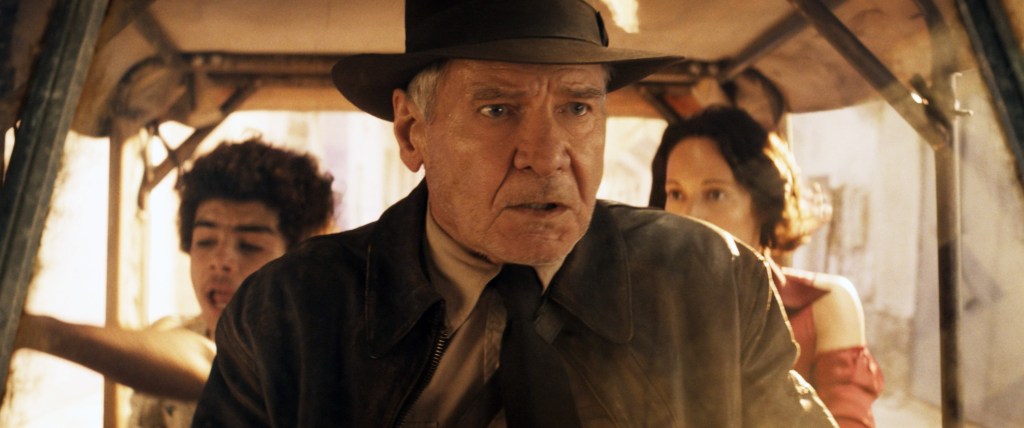
Harrison Ford Reflects on Indiana Jones’ Box Office Struggles: “S— Happens”
In a recent candid interview, legendary actor Harrison Ford opened up about the box office performance of his latest film, Indiana Jones and the Dial of Destiny. Recognized for his iconic role as the adventurous archaeologist, Ford’s acceptance of the film’s fate sheds light on the pressures that come with legacy and audience expectations in Hollywood. With a career spanning over four decades, Ford’s reflections serve as a reminder of the unpredictable nature of the film industry.
Understanding the Box Office Landscape
The film industry is notoriously volatile, with box office success often hinging on a myriad of factors. Despite being part of a beloved franchise, Indiana Jones and the Dial of Destiny struggled to meet financial expectations. Ford’s remark, “S— happens,” encapsulates the reality that even well-crafted films with rich histories can falter at the box office.
Several factors can contribute to a film’s box office performance, including:
- Market Competition: The release schedule can be crowded, with multiple high-profile films vying for audience attention.
- Changing Audience Preferences: Modern viewers may favor different genres, platforms, or styles, influencing their willingness to see a particular film.
- Marketing Strategies: Effective marketing can significantly impact a film’s visibility and appeal.
- Critical Reception: Reviews and audience ratings can sway public interest before a film’s release.
In the case of Indiana Jones and the Dial of Destiny, while nostalgia played a role in attracting an audience, it wasn’t enough to ensure a robust box office performance.
Legacy and Expectations in Hollywood
Harrison Ford’s journey with Indiana Jones is a testament to the challenges that come with a long-lasting legacy. The original film, Raiders of the Lost Ark, released in 1981, not only defined an era of adventure films but also solidified Ford’s status as a Hollywood icon. Over the years, the character has become synonymous with action, wit, and charm, creating high expectations for any subsequent films.
Ford acknowledged the immense pressure that comes with reprising such a beloved role, stating that “you can’t control how the world receives a film.” This sentiment resonates deeply in an industry where audience expectations can sometimes overshadow the creative process. The burden of legacy can sometimes lead to a disconnect between what creators envision and what audiences want to see.
The Role of Nostalgia in Film
Nostalgia is a powerful marketing tool, especially for franchises with a rich history like Indiana Jones. However, nostalgia can be a double-edged sword. While it can draw audiences to theaters, it can also set unrealistic expectations. Fans often have idealized memories of past films, and when a new installment doesn’t align with those memories, disappointment can ensue.
Ford’s remarks highlight the struggle filmmakers face in balancing nostalgia with innovation. The desire to honor the original films while also appealing to a new generation of viewers is a delicate dance. In this case, the filmmakers aimed to blend new storylines with familiar elements, but the execution didn’t resonate as hoped.
Creative Freedom vs. Audience Expectations
One of the most significant challenges in filmmaking is navigating the line between creative freedom and meeting audience expectations. Ford’s experience in the industry has afforded him a unique perspective on this balance. He emphasized the importance of storytelling and creativity over commercial success, stating, “I’m proud of the work we did, even if it didn’t perform as expected.”
In an age where box office numbers often dictate a film’s perceived value, Ford’s comments remind us that creativity and storytelling should remain at the forefront. Filmmakers should feel empowered to take risks and explore new narratives, even if it means facing potential backlash or disappointing financial returns.
Industry Trends and Future Implications
The challenges faced by Indiana Jones and the Dial of Destiny are reflective of broader trends within the film industry. With the rise of streaming services and changing consumption habits, traditional box office models are continually evolving. Audiences are now more selective about what they choose to watch in theaters, often opting for convenience over the theatrical experience.
This shift has led to discussions about the future of franchises and the necessity for innovation. As Harrison Ford aptly noted, “You can’t live in the past.” The industry must adapt, finding ways to engage audiences that go beyond nostalgia. This could mean exploring new genres, embracing diverse storytelling, and utilizing technology to enhance the viewing experience.
Conclusion: Embracing the Journey
Harrison Ford’s reflections on the box office struggles of Indiana Jones and the Dial of Destiny serve as an important reminder of the complexities of filmmaking. The unpredictable nature of the industry, combined with the pressures of legacy and audience expectations, can lead to unexpected outcomes. Yet, Ford’s acceptance of the film’s fate highlights the importance of embracing the creative journey, regardless of the box office results.
As audiences continue to evolve, so too must the stories and characters we cherish. Ford’s legacy as Indiana Jones remains intact, and his willingness to adapt to the industry’s changing landscape speaks volumes about his dedication to the craft. In the end, as he so aptly put it, “S— happens,” but it’s the passion for storytelling that truly matters.
See more CNET Live