
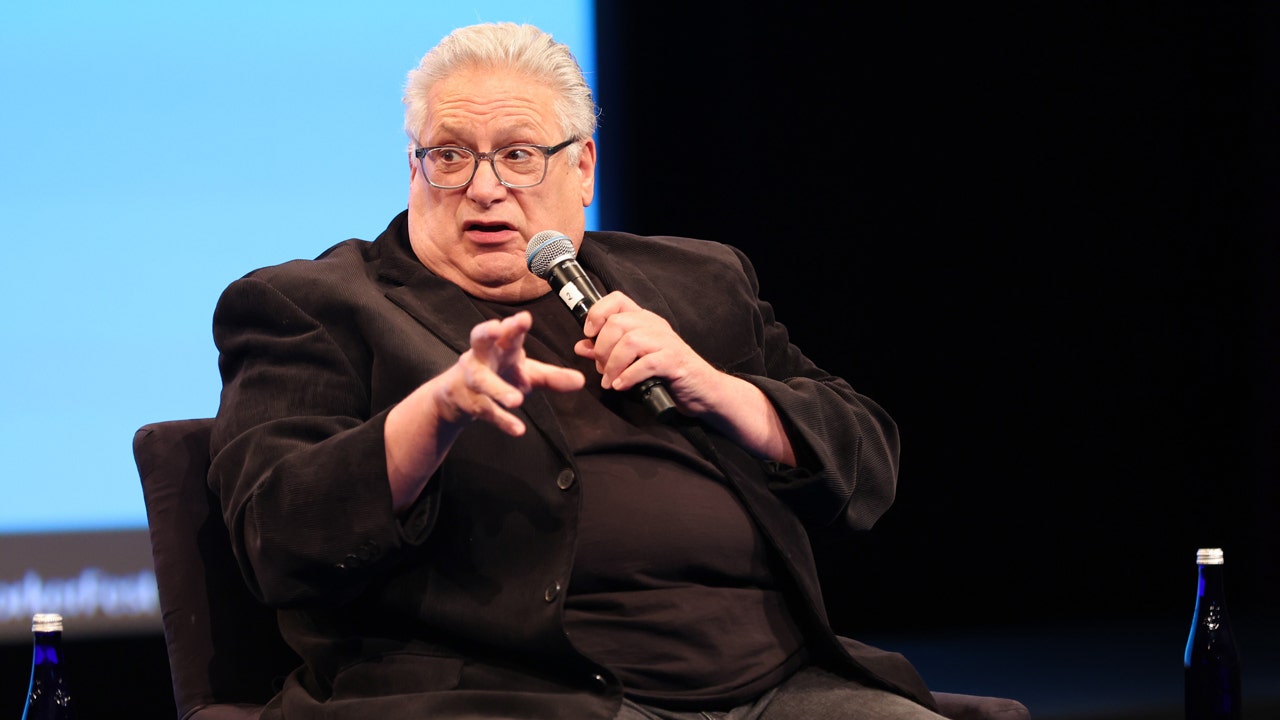
Harvey Fierstein vs. Kennedy Center: Understanding the Controversy
In the vibrant world of American theater, few names resonate as strongly as that of Harvey Fierstein. Known for his work as an actor, playwright, and advocate for LGBTQ+ rights, Fierstein has become an iconic figure. However, recent claims made by the actor regarding a supposed ban on his productions at the esteemed Kennedy Center in Washington, D.C., have sparked a heated debate. The center’s director has vehemently denied these allegations, labeling them as a “total lie.” This unfolding dispute raises pertinent questions about artistic freedom, institutional dynamics, and the challenges faced by creators in the cultural landscape.
The Origins of the Dispute
Harvey Fierstein, whose works include the Tony Award-winning “Torch Song Trilogy” and “La Cage aux Folles,” recently expressed his frustration over what he describes as a systematic exclusion from performing at the Kennedy Center. According to Fierstein, his productions have been effectively banned due to their themes and messages. He contends that this ban represents a broader issue within the arts community—one of censorship and the suppression of diverse voices.
The Kennedy Center, a premier venue for the performing arts, has a reputation for hosting a wide array of productions, from classical ballet to contemporary theater. The center’s director, however, has strongly refuted Fierstein’s claims. In a public statement, the director characterized the allegations as unfounded, asserting that the center remains committed to showcasing a diverse range of artistic expressions.
Artistic Freedom vs. Institutional Guidelines
At the heart of this controversy lies a fundamental question: What constitutes artistic freedom, and where do institutional responsibilities begin? The tension between these two forces is not new; it has been a recurring theme in the arts for decades. Artists like Fierstein often push boundaries, challenging societal norms and provoking thought through their work. However, institutions like the Kennedy Center must navigate the complexities of public funding, audience expectations, and their own mission statements.
Some argue that institutions have a duty to curate content that reflects a multiplicity of perspectives while remaining sensitive to the cultural context in which they operate. This balancing act can lead to difficult decisions, especially when faced with provocative works that might alienate certain audience segments. In this case, it raises the question of whether the Kennedy Center’s denial of Fierstein’s claims is a protective measure for the institution or a genuine commitment to artistic diversity.
Exploring the Cultural Landscape
The controversy also highlights broader issues within the cultural landscape. As society evolves, so too do its values and expectations. The arts should reflect this dynamic, providing a platform for marginalized voices and challenging the status quo. However, the push for inclusivity can sometimes be met with resistance from institutions that fear backlash or financial repercussions.
In the wake of the #MeToo movement and ongoing discussions about racial and gender representation, many theaters and cultural venues have begun to reassess their programming. This scrutiny can lead to a more inclusive environment, allowing for new stories to be told. Nevertheless, it can also result in backlash against certain productions deemed too controversial or divisive.
Implications for Artists and Institutions
The Fierstein vs. Kennedy Center controversy underscores the complex interplay between artists and the institutions that showcase their work. For artists, the fear of censorship can stifle creativity and discourage bold storytelling. On the other hand, institutions must consider their role in fostering a safe and respectful environment for all audience members.
- For Artists: The fear of being shunned can lead to self-censorship, ultimately reducing the richness of theatrical offerings.
- For Institutions: The challenge lies in curating a season that reflects a commitment to diversity without compromising their operational integrity.
Moreover, the stakes are high. The artistic community thrives on dialogue, and when that dialogue is stifled, the entire ecosystem suffers. As Fierstein pointed out, this kind of exclusion impacts not just individual artists, but the cultural narrative as a whole.
The Role of Public Discourse
The public discourse surrounding this controversy is equally important. Social media platforms have amplified voices from both sides, creating a digital battleground for opinions and interpretations. Supporters of Fierstein argue that his work is crucial for representation and that banning him from a prestigious venue undermines the very principles of artistic expression. Conversely, supporters of the Kennedy Center assert that the institution has the right to curate its offerings in a way that aligns with its mission.
This back-and-forth can lead to productive conversations, but it can also foster polarization. In an age where discussions about art and culture are often framed in black-and-white terms, it’s essential to recognize the nuances involved in such debates.
What Lies Ahead?
As the dispute continues to unfold, the future of Harvey Fierstein’s work at the Kennedy Center remains uncertain. Nevertheless, the incident serves as a timely reminder of the ongoing struggle for artistic freedom in a complex social landscape. It raises critical questions about who gets to tell stories and whose voices are amplified in the arts.
Moving forward, both Fierstein and the Kennedy Center may need to engage in a dialogue that fosters understanding and collaboration. Perhaps an open forum could be established, allowing artists and institutional leaders to share perspectives and seek common ground. Such initiatives could pave the way for a more inclusive and vibrant arts community, where diverse narratives are celebrated rather than silenced.
Conclusion
The controversy surrounding Harvey Fierstein and the Kennedy Center is a microcosm of the larger issues facing the arts today. It challenges us to consider the delicate balance between artistic expression and institutional responsibility. As the conversation evolves, it is essential for all stakeholders—artists, institutions, and audiences—to engage thoughtfully and constructively. Only then can we hope to create a cultural landscape that honors the rich tapestry of voices and stories that define our society.
See more CNET Live