
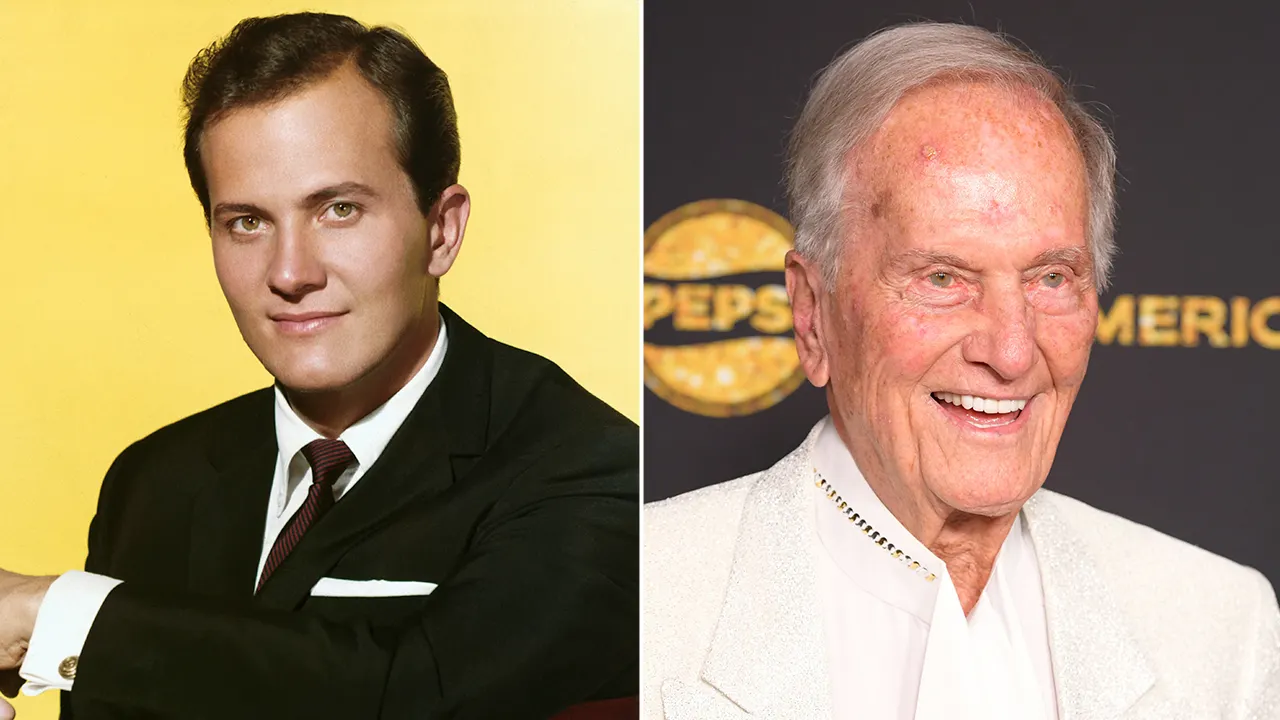
Pat Boone’s Bold Critique: Are Hollywood’s Choices Wasting Millions?
In a world where cinema shapes culture, Pat Boone, the legendary entertainer and cultural commentator, has recently raised a significant question: Are Hollywood’s choices wasting millions? His bold critique of the film industry highlights a growing concern over the integrity and decision-making processes within Hollywood. Boone’s remarks serve as a catalyst for a broader discussion about the moral responsibilities of filmmakers and the impact of their choices on audiences.
The Financial Impact of Hollywood’s Choices
Hollywood is a multi-billion-dollar industry, yet many films struggle to recoup their production costs. Boone argues that the choices made by filmmakers often lead to financial losses that could have been avoided. This raises a critical question: What factors contribute to these poor decisions, and how can the industry be held accountable?
- Budget Mismanagement: Many films are produced with extravagant budgets, often exceeding $200 million, yet fail to attract audiences. This wastage of resources can be attributed to a lack of strategic planning and market understanding.
- Focus on Formulaic Content: The trend of remakes and sequels often leads to a lack of originality. Hollywood tends to rely on formulas that guarantee box office returns, but this can stifle creativity and alienate audiences.
- Pandering to Trends: Filmmakers sometimes prioritize current social trends over quality storytelling. While it’s essential to be relevant, losing sight of narrative integrity can result in films that feel hollow and uninspired.
Boone’s Perspective on Artistic Integrity
Boone’s critique goes beyond financial implications; it delves into the artistic integrity of Hollywood. He contends that many modern films lack the moral compass that once guided filmmakers. This raises important questions about the role of cinema in society. Is Hollywood merely a profit-driven machine, or does it have a responsibility to foster values and narratives that uplift and inspire?
- Representation of Morality: Boone suggests that filmmakers should strive to create content that reflects positive values. Movies have the power to influence public perception and behavior, and thus, filmmakers must consider the messages they convey.
- Impact on Youth: With a significant portion of moviegoers being young people, the content they consume can shape their worldviews. Boone emphasizes the importance of producing films that encourage critical thinking and ethical behavior.
The Shift from Quality to Quantity
Another point of contention in Boone’s critique is the shift from quality to quantity within Hollywood. With the rise of streaming services, the demand for content has skyrocketed, leading to an influx of films that may prioritize speed over substance. This commodification of art can result in a dilution of quality.
Filmmakers face pressure to deliver content rapidly, which can compromise the storytelling process. Boone argues that this approach not only wastes financial resources but also diminishes the overall experience for audiences. A more thoughtful and deliberate filmmaking process can yield more impactful and memorable films.
Audience Responsibility: A Two-Way Street
While Boone’s critique primarily focuses on Hollywood, it’s essential to acknowledge the role of audiences in this dynamic. Viewers have power; their choices at the box office influence what gets made. If audiences consistently support films that lack substance or moral integrity, the industry will continue to produce them.
- Demanding Better Content: Audiences should be encouraged to seek out and support films that prioritize storytelling, character development, and moral complexity. By voting with their wallets, viewers can signal to Hollywood that they want more than just superficial entertainment.
- Engaging in Dialogue: Boone’s critique opens the floor for discussions about the types of films that resonate with audiences. Engaging in conversations about what makes a film meaningful can lead to better choices both from filmmakers and consumers.
Hope for the Future: A Call for Change
Despite his criticisms, Boone maintains an optimistic outlook on the future of cinema. He believes that there is still a chance for Hollywood to reclaim its legacy of producing films that are not only entertaining but also enriching. By prioritizing quality over quantity, filmmakers can create stories that resonate with audiences and reflect the complexities of the human experience.
To foster this change, Boone advocates for:
- Encouraging New Voices: The industry should actively seek out diverse and innovative storytellers who can bring fresh perspectives and ideas to the forefront.
- Investing in Original Content: Studios should allocate resources to develop original scripts rather than relying on established franchises. This can lead to unique narratives that capture the imagination.
- Building Community Support: Filmmakers can benefit from engaging with their audiences. By fostering a sense of community, they can better understand the desires and values of viewers.
Conclusion: Reflecting on Hollywood’s Choices
Pat Boone’s bold critique of Hollywood serves as a wake-up call for an industry that has often prioritized profit over purpose. By questioning the integrity of Hollywood’s choices and the financial implications of its decisions, Boone ignites a conversation about the moral responsibilities of filmmakers. As audiences, we too must reflect on our role in this ecosystem. Together, we can advocate for a cinema that not only entertains but also enriches our lives.
In navigating the complexities of modern filmmaking, there lies a tremendous opportunity for growth and transformation. If Hollywood embraces this challenge, it can emerge as a beacon of creativity and integrity, ultimately benefiting both the industry and its audience.
See more CNET Live