
Unveiling Hidden Gems: Fascinating Secrets Behind “Home Alone”
The holiday season is synonymous with certain beloved films that have become entrenched in our cultural fabric, and few movies stand out more than “Home Alone.” Released in 1990, this film not only redefined holiday cinema but also left a lasting impact on pop culture. While many viewers remember the heartwarming story of young Kevin McCallister, played by Macaulay Culkin, and his hilarious antics to defend his home from burglars, there exists a treasure trove of lesser-known anecdotes and fascinating details that contribute to its enduring legacy. This article delves into the hidden gems of “Home Alone,” exploring its unexpected influence, production anecdotes, and the broader implications of its success.
The Birth of a Holiday Classic
“Home Alone,” directed by Chris Columbus and written by John Hughes, was a groundbreaking film that combined slapstick comedy with heartfelt sentiment. The film’s premise revolves around a young boy who is accidentally left behind when his family goes on vacation for Christmas. As Kevin learns to fend for himself, he creatively protects his home from two bumbling burglars, played by Joe Pesci and Daniel Stern.
Originally, the film’s concept was inspired by Hughes’ own experiences of traveling with family and the chaos that often ensued. However, it was the casting of Macaulay Culkin that solidified the film’s success. Culkin, who was only ten years old at the time, delivered a performance that resonated with audiences, showcasing a blend of innocence and cunning that was both relatable and endearing.
Behind the Scenes: Production Anecdotes
The production of “Home Alone” was filled with interesting stories that reveal the creative decisions and challenges faced by the filmmakers.
Filming Locations
The iconic scenes of “Home Alone” were primarily filmed in Illinois, particularly in the suburbs of Chicago. The McCallister family home, a character in its own right, is located in the village of Winnetka. The house was chosen for its classic American architecture, which perfectly encapsulated the essence of a loving family environment. Interestingly, the actual house was sold in 2012 for nearly $1.6 million, further solidifying its status as a cultural landmark.
Creative Challenges
One of the film’s most memorable aspects is its elaborate booby traps set by Kevin to thwart the intruders. The creative team, including the film’s special effects supervisor, devised these traps with a mix of imagination and safety considerations. Many ideas were inspired by classic cartoons, which gave the film a whimsical yet dangerous charm. However, not all traps made it into the final cut. Some, like a flaming paint can, were deemed too dangerous for a child to execute.
Improvisation on Set
Joe Pesci, known for his intense and often comedic roles, brought a unique energy to the film. Interestingly, to keep the atmosphere light during filming, Pesci avoided swearing around Culkin, opting to use exaggerated gestures instead. This improvisation not only contributed to the on-screen chemistry but also ensured that the film maintained its family-friendly appeal.
The Cultural Impact of “Home Alone”
Since its release, “Home Alone” has transcended its initial box office success to become a cultural phenomenon. Below are several ways in which the film continues to influence pop culture and holiday traditions:
- Merchandising and Spin-offs: The film has spawned numerous merchandise, including toys, video games, and clothing. Additionally, it has led to sequels and spin-offs, although none have replicated the original’s charm.
- Holiday Tradition: For many families, watching “Home Alone” has become a holiday tradition. The film’s themes of family and resilience resonate deeply, making it a staple in holiday movie marathons.
- Influence on Modern Comedy: “Home Alone” has influenced a generation of filmmakers and comedians. Its blend of slapstick humor with emotional depth paved the way for similar family comedies in the 1990s and beyond.
Modern Relevance and Legacy
As we enter a new era of filmmaking and storytelling, the legacy of “Home Alone” remains stronger than ever. The film’s themes of independence and creativity resonate with today’s audiences, particularly in a world that increasingly values individualism and resourcefulness.
Revisiting the Themes
Kevin’s journey reflects a coming-of-age narrative where the young protagonist learns to navigate challenges in the absence of adult supervision. This theme is particularly relevant for children today, who often face unprecedented levels of independence due to technology and changing family dynamics. The film subtly advocates for resilience and adaptability, qualities that are vital in today’s fast-paced world.
Social Media and Pop Culture References
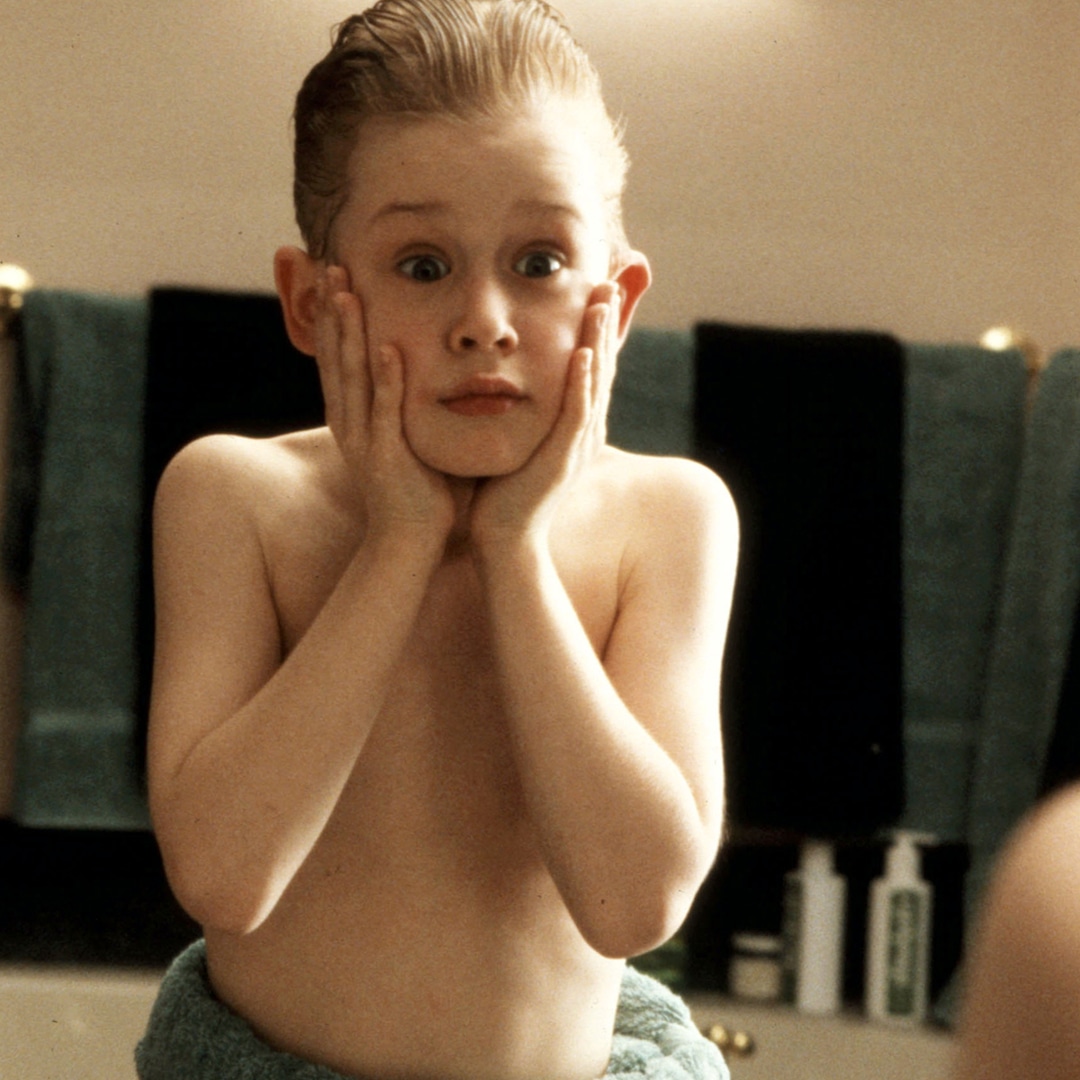
In recent years, “Home Alone” has found new life on social media platforms, where clips and memes referencing the film frequently go viral. From “Kevin’s face” to the iconic “Merry Christmas, ya filthy animal!” line, the movie continues to be a source of humor and nostalgia for audiences of all ages. This resurgence in popularity highlights the film’s timelessness and its ability to connect with new generations.
Impact on Filmmaking
The filmmaking techniques employed in “Home Alone,” particularly in terms of comedic timing and physical humor, have influenced countless films and directors. The effective use of sound effects, music, and visual gags to enhance comedic moments has set a standard for family comedies, making it a reference point for aspiring filmmakers.
Conclusion: A Timeless Classic
“Home Alone” is more than just a holiday movie; it is a cultural landmark that showcases the power of creativity, humor, and resilience. Its lesser-known secrets and anecdotes reveal a deeper narrative about the filmmaking process and the societal values of independence and family. As we continue to celebrate the holiday season, “Home Alone” reminds us of the importance of laughter, love, and the irreplaceable feeling of being home for the holidays. As new generations discover this classic, its place in the annals of cinematic history is assured, proving that some stories are truly timeless.
See more CNET Live