
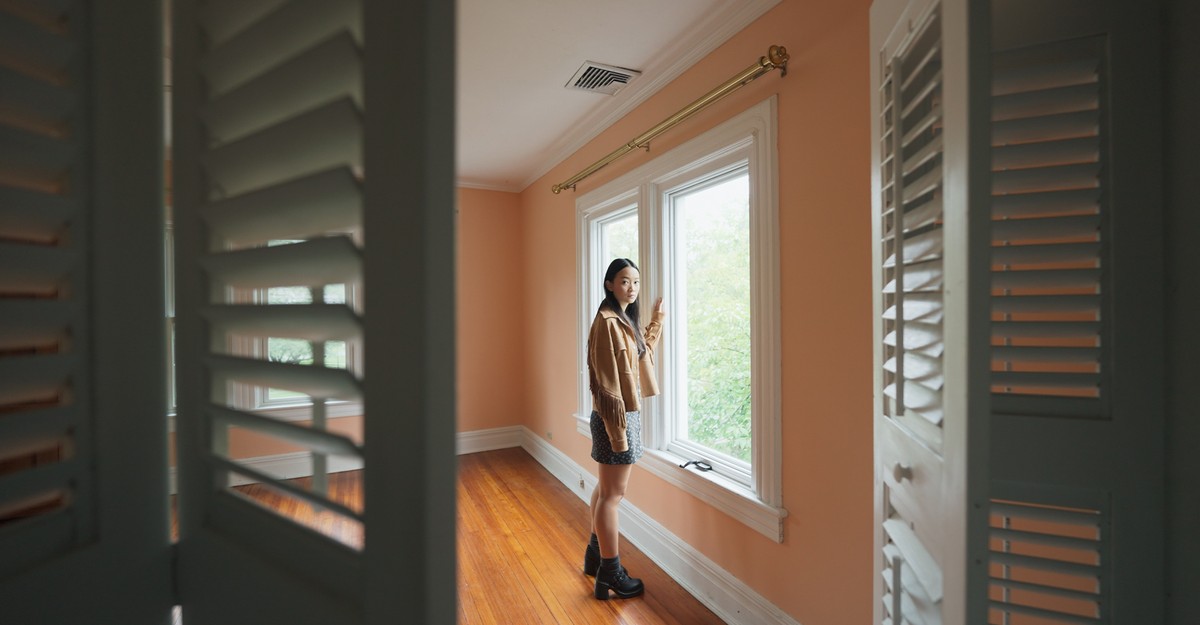
A Chilling Experience: The Horror Film Where Eyes Alone Are Allowed
In the ever-evolving landscape of horror cinema, filmmakers continuously push the boundaries of creativity, challenging viewers in ways that provoke thought and elicit fear. One of the most unnerving premises to emerge recently is that of a horror film where eyes alone are allowed—where audiences are mere spectators of terror, unable to intervene. This chilling experience reshapes the traditional engagement with horror, demanding an introspective examination of fear, helplessness, and voyeurism.
The Concept: Observing Terror Without Interaction
The premise of a film where viewers can only observe is both radical and haunting. It strips away the safety net of engagement, where audiences typically root for protagonists, scream at jump scares, or shout advice during perilous moments. Instead, this film invites viewers to sit back and watch as horror unfolds, leaving them powerless to change the outcome. This experience taps into a primal fear—being a witness to horrors without the ability to act.
In this chilling experience, the audience’s eyes become both a lens and a prison. They are drawn into a world of horror that is beautifully crafted yet terrifyingly real. The film utilizes sound design, cinematography, and pacing to immerse viewers into a state of dread, making every moment feel like a slow descent into madness. The tension builds as watchers realize their inability to intervene, heightening emotional responses and creating a shared experience of anxiety.
Psychological Implications of Passive Viewing
From a psychological perspective, the concept of a horror film where eyes alone are allowed evokes several interesting reactions. The inability to intervene places viewers in a state of helplessness, which can amplify feelings of fear and anxiety. Studies in psychology suggest that the act of witnessing trauma without the ability to help can lead to feelings of guilt and frustration. This concept is explored in various forms of media, where passive viewers often grapple with their emotions, reflecting on their own morals and values.
Moreover, this passive engagement can lead to a heightened sense of empathy. As viewers are forced to witness the suffering of characters without any means of assistance, they may develop a deeper understanding of the characters’ plight. This unique perspective could prompt discussions about the nature of horror itself—what it means to watch someone suffer and what it reveals about our humanity.
Unique Storytelling Techniques
Crafting a narrative that thrives on the concept of passive observation requires innovative storytelling techniques. Filmmakers can employ various methods to maintain audience engagement while ensuring that the horror remains palpable. Here are some techniques that could be effective:
- Immersive Cinematography: Using first-person perspectives or close-up shots can create an intimate experience, drawing viewers closer to the action while simultaneously feeling distant and powerless.
- Sound Design: The auditory experience is crucial in horror. Eerie soundscapes, unsettling silences, and sudden noises can enhance tension, making viewers feel as if they are part of the horror, even without action.
- Pacing and Timing: A slow build-up can create an atmosphere of dread. Careful timing of reveals and scares can keep viewers on edge, making them anticipate the worst while remaining unable to act.
The Viewer’s Experience: A Double-Edged Sword
The experience of watching such a film can be both exhilarating and unsettling. On one hand, audiences may appreciate the artistic expression and the challenge to traditional horror storytelling. On the other hand, the feeling of helplessness can lead to discomfort, forcing viewers to confront their own fears and vulnerabilities. This duality can spark lively discussions among audiences, creating a community around shared experiences of fear and reflection.
Furthermore, the film opens up conversations about the nature of horror itself. What makes something truly terrifying? Is it the threat of violence, the psychological mind games, or the inability to control one’s environment? By placing audiences in a position where their only option is to watch, the film encourages deep contemplation about the elements that evoke fear.
Potential Themes Explored in the Film
This chilling experience can delve into various themes that resonate with audiences:
- Isolation: The film can explore the feeling of being trapped, not just physically but emotionally. Viewers may relate to the characters’ struggles, reflecting their own fears of isolation in an increasingly disconnected world.
- Morality and Responsibility: The inability to intervene can lead to moral dilemmas. What is the viewer’s responsibility when witnessing horror? This theme can provoke thought about societal roles in times of crisis.
- Fear of the Unknown: By allowing viewers to observe without acting, the film can heighten the fear of the unknown. The uncertainty of what will happen next can create an atmosphere of suspense that keeps audiences glued to their seats.
Conclusion: A New Era of Horror
A horror film where eyes alone are allowed represents a bold new frontier in the genre, one that challenges traditional engagement and invites viewers to reflect on their own experiences with fear. By immersing audiences in a chilling experience that emphasizes observation over action, filmmakers can create a unique narrative that resonates on multiple levels. As horror continues to evolve, this innovative approach could redefine how audiences interact with the genre, leading to a deeper understanding of fear, empathy, and the human condition.
Ultimately, this concept encourages us to embrace the discomfort of being powerless and to confront our fears head-on. It’s a chilling reminder that sometimes, the most terrifying experiences are those we can only watch unfold.
See more CNET Live